How to Choose Grooved Acoustic Panels for Optimal Sound Control?
When selecting grooved acoustic panels, understanding their impact on sound control is crucial. Industry expert Dr. Emily Johnson, a leading acoustics consultant, highlights, "The design of grooved acoustic panels can significantly enhance sound absorption in any space." This statement reflects the importance of choosing the right panel for your specific needs.
Grooved acoustic panels come in various designs and materials. Their unique grooves help in dissipating sound waves, minimizing echoes and improving overall acoustics. Whether you're outfitting a recording studio, an office, or a home theater, these panels play a critical role. Yet, many consumers overlook details like the panel thickness and material density, which are essential for performance.
It’s not just about aesthetics; functionality matters. Improperly chosen panels may lead to unsatisfactory sound treatment. Effective sound control requires detailed consideration of room acoustics. Therefore, engaging with knowledgeable suppliers or consultants can provide invaluable insights to ensure optimal choices.
Understanding the Basics of Grooved Acoustic Panels and Their Functionality
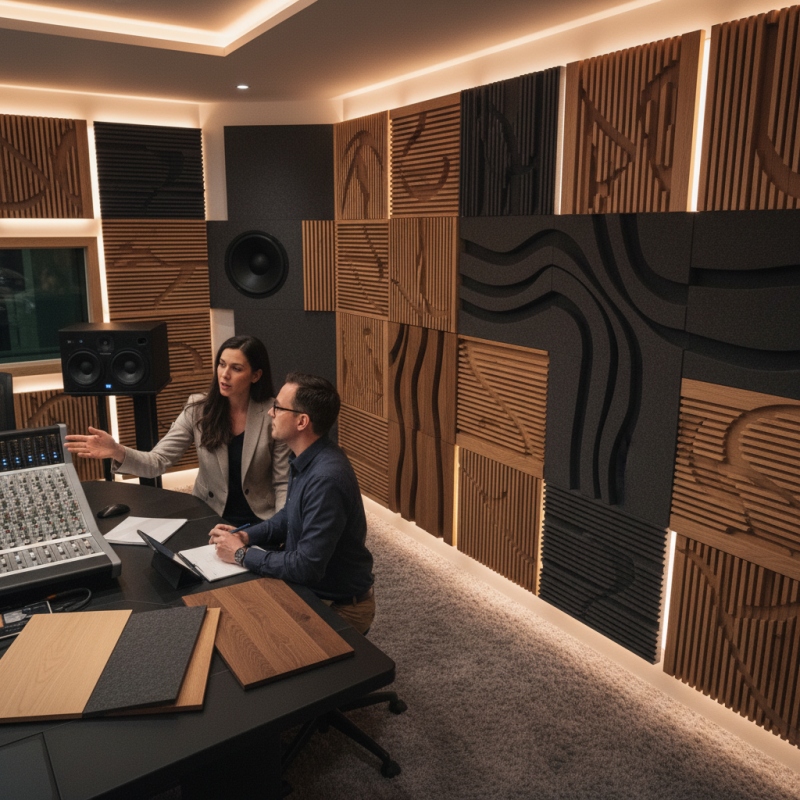
Grooved acoustic panels play a crucial role in sound control and noise reduction. Understanding their functionality is essential for effective application in various environments, such as offices and studios. According to the Acoustical Society of America, sound absorption coefficients indicate that grooved panels excel at reducing mid to high-frequency sounds, often achieving coefficients above 0.80 in these ranges. This makes them an optimal choice for areas where clarity of sound is critical.
When selecting grooved panels, consider material composition. Panels made from environmentally friendly materials can enhance acoustics while contributing to sustainability. Furthermore, thickness impacts their sound absorption capacity. Thicker panels generally perform better at lower frequencies. Yet, aesthetics also matter. A visually appealing design not only complements the space but can also encourage the use of acoustic solutions.
Tips: Test panels in your space before full installation. Monitor sound levels and adjust accordingly. Aim for variety in panel shapes and sizes for balanced acoustics. Measure the dimensions of the room precisely. A well-planned arrangement can vastly improve overall sound quality. Remember, the goal is to achieve the best acoustic environment, which may require experimentation and adjustments.
Evaluating Acoustic Performance: Key Metrics and Industry Standards
When selecting grooved acoustic panels, it’s essential to evaluate their acoustic performance based on key metrics. Sound absorption coefficients are crucial. These metrics indicate how well a panel can absorb sound at different frequencies. High-performance panels typically excel in mid and high-frequency absorption. Manufacturers often provide test results in compliance with industry standards. Look for panels with documented data, ensuring reliability.
In addition, consider the NRC (Noise Reduction Coefficient) rating. This rating summarizes sound absorption in a single number. A higher NRC means better sound control. Panels with an NRC rating of 0.7 or above are ideal for most settings. Don’t overlook the design; aesthetics matter too. Grooved patterns can enhance both sound control and visual appeal.
Tips: Check for third-party certifications to verify the performance standards. Explore different materials as they can impact both absorption and durability. Always assess your specific space’s needs. Reflect on how sound behaves in that environment. Adjusting panel placement can optimize results significantly.
Selecting Groove Patterns: Effects on Sound Absorption and Diffusion
Selecting groove patterns for acoustic panels significantly impacts sound absorption and diffusion. Different groove designs alter how sound waves interact with the panel surfaces. Shallow grooves may enhance diffusion, spreading sound evenly. Deeper grooves, however, can improve absorption, especially at lower frequencies.
Consider the materials used in conjunction with groove patterns. For instance, porous materials can amplify absorption in specific frequencies. Conversely, a harder surface may lead to excessive reflections. Balancing these factors is crucial for effective sound control.
It's essential to experiment with various designs. Take time to analyze the acoustics of your space. Minor adjustments in groove depth can lead to significant changes in sound quality. Document your observations and refine your selections for optimal results. Remember, achieving the perfect sound environment often requires trial and error.
Materials and Construction: Importance of Density and Porosity in Sound Control
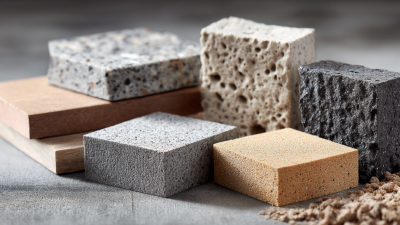
When selecting grooved acoustic panels, understanding density and porosity is vital. Density refers to how compact the material is. Higher density often means better sound absorption. It reduces echoes and enhances clarity. However, overly dense materials may reflect sound instead of absorbing it. Finding the right balance is essential.
Porosity plays a crucial role too. It determines how easily sound waves penetrate the material. Panels with higher porosity allow for better airflow and sound absorption. They can trap sound waves effectively. Yet, too much porosity may lead to reduced structural integrity.
Consider your specific acoustic needs. Rooms with high noise levels or specific sound requirements necessitate careful selection. Evaluate how different materials respond to sound. Testing various panels in your space can reveal surprising differences. Ultimately, it's about optimizing both density and porosity for effective sound control. Sometimes, trial and error leads to the best results.
Optimal Sound Control: Density and Porosity of Grooved Acoustic Panels
Installation Techniques: Maximizing Effectiveness for Optimal Acoustic Results
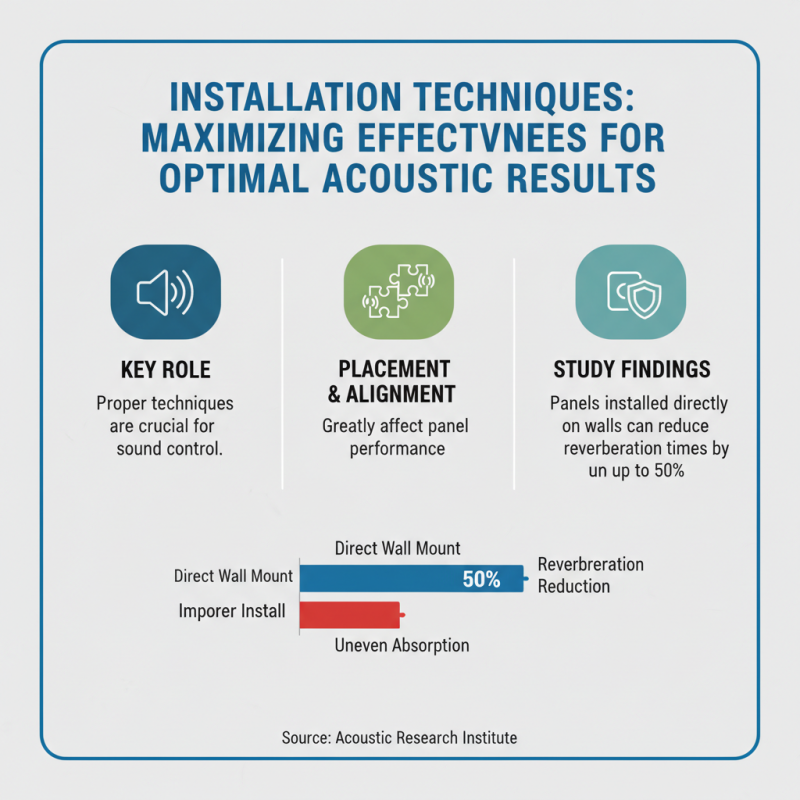
When installing grooved acoustic panels, proper techniques play a crucial role in achieving optimal sound control. The placement and alignment of these panels greatly affect their performance. For instance, studies indicate that panels installed directly on walls can reduce reverberation times by up to 50%. However, improper installation may lead to uneven sound absorption and ineffective results.
Acoustic panels should ideally be spaced adequately, allowing sound waves to interact effectively. Research from industry experts suggests that a gap of at least 1 inch from the wall increases performance by creating a resonant cavity. Additionally, panels should be mounted at different heights to address varying sound frequencies. This method ensures that low, mid, and high frequencies are treated appropriately.
While it's essential to follow these guidelines, it's important to note that no installation is perfect. Some areas may still face echo issues despite following best practices. Regular evaluations and adjustments might be necessary to refine sound performance. Commitment to ongoing assessment can help identify unaddressed acoustic challenges, ensuring continued efficacy of the acoustic design.