2026 Best Acoustic Wood Slat Wall Designs for Your Space?
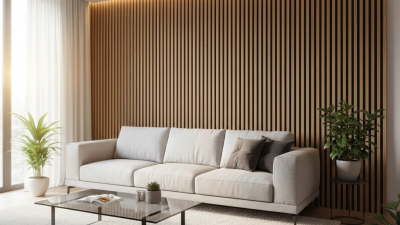
Acoustic Wood Slat Walls are becoming a go-to choice for modern interiors. They combine beauty and sound management. These walls are more than just decorative; they enhance acoustic quality.
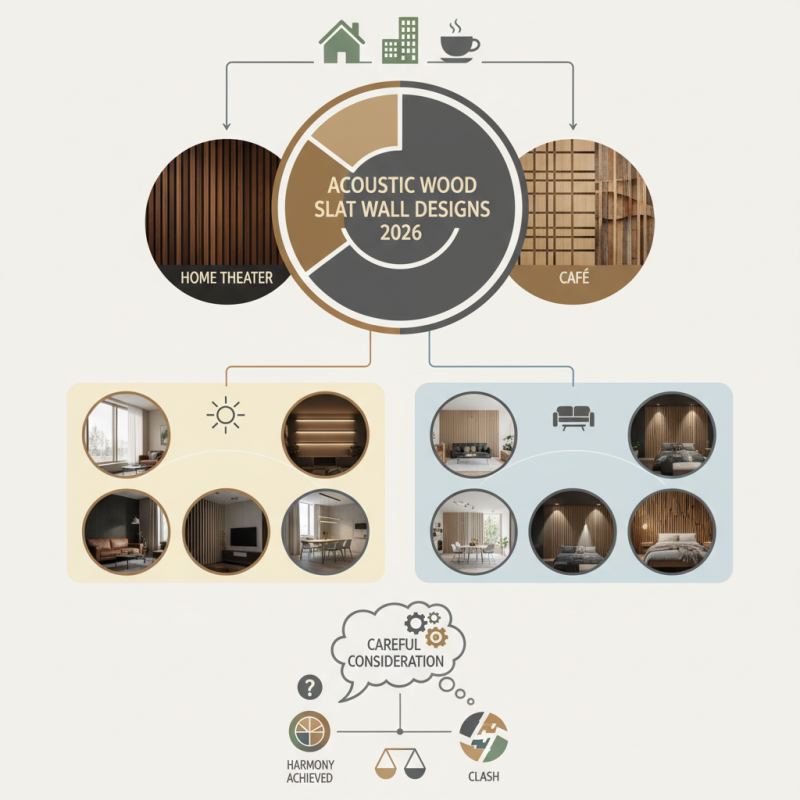
In 2026, various designs promise to elevate your space. Whether in a home theater, office, or café, the right slats can transform the atmosphere. Think rich wood tones meshed with clean lines. This balance creates a warm ambiance while reducing noise.
However, finding the perfect design can be challenging. Not every wood finish will suit your room's style. Some options may clash or make the space feel smaller. It requires careful consideration. Reflecting on how these pieces interact with light and furniture is crucial. Achieving harmony in your environment isn’t always straightforward, but it’s worth the effort.
2026 Trends in Acoustic Wood Slat Wall Design for Interiors
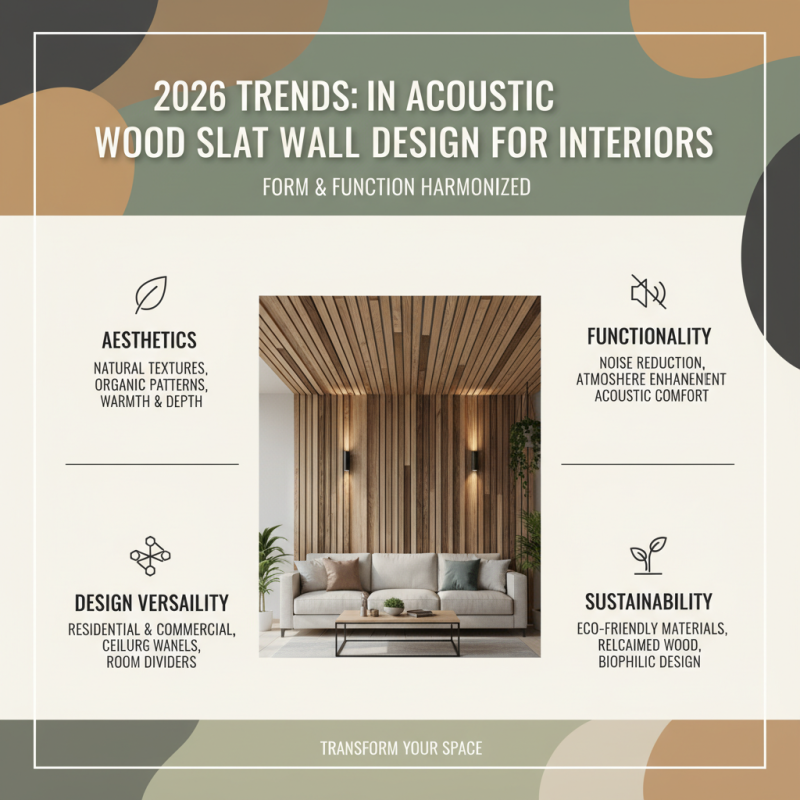
Acoustic wood slat walls are gaining popularity in interior design for 2026. They combine aesthetics and functionality. These walls reduce noise and enhance the atmosphere of any space. With wood slats, you create a warm, inviting look. The grain patterns and natural textures add depth to interiors.
This year, minimalist designs are on the rise. Clean lines and simple shapes define this trend. Sustainability is another key focus. Many designers choose reclaimed wood for their projects. This choice enhances the eco-friendliness of the design. As a result, homeowners are looking for eco-conscious options without sacrificing style.
However, creating the perfect acoustic wood slat wall requires careful planning. You should consider the size of the room and its acoustics. Not all wood types provide the same sound absorption. Some designs may appear too bulky for small spaces. Also, ensure the installation process meets your design goals. Reflecting on these aspects can lead to a more satisfying outcome.
Sound Absorption: How Wood Slats Improve Acoustic Performance
Acoustic wood slat walls are a popular choice for improving sound quality in spaces. They absorb sound waves effectively, reducing echo and noise. According to a study published by the Acoustical Society of America, wooden surfaces can absorb up to 80% of sound energy, making a significant impact on acoustic performance. This is particularly beneficial in environments like libraries, recording studios, and open offices where clarity is essential.
The placement and spacing of wood slats play crucial roles in their effectiveness. A report from the National Institute of Standards and Technology suggests creating gaps between slats enhances sound absorption by allowing sound waves to penetrate deeper. It’s also vital to consider the type of wood used. Hardwoods often outperform softwoods in absorbing high-frequency sounds. Estimations show that using engineered wood products can enhance performance by up to 30% compared to traditional materials.
However, achieving the perfect balance can be tricky. In some cases, overly dense arrangements may create a dull atmosphere. Acoustic balance is crucial for vibrancy in speaking spaces. It requires skilled design to maximize absorption while maintaining an engaging aesthetic. Experimentation with different configurations is often needed to find the ideal solution. Careful consideration of your unique environment is essential for optimal results.
Aesthetic Appeal: The Role of Wood Slat Walls in Interior Design
Wood slat walls are becoming increasingly popular in interior design. They add warmth and texture to spaces. According to the American Society of Interior Designers, around 30% of homeowners are opting for slatted wood designs in their renovations. This trend showcases not only aesthetic appeal but also sustainability. Many slatted designs utilize reclaimed wood, promoting environmental consciousness.
In terms of acoustics, wood slat walls excel. They can absorb sound, making spaces quieter. A report by the Building Research Establishment indicates that wood surfaces can reduce noise levels by up to 15 decibels. This can significantly improve the ambiance of a home or office. Yet, improper installation can lead to gaps or unevenness, impacting both aesthetics and function.
Wood slats also create visual interest while maintaining a minimalist approach. They can serve as a backdrop for artwork or a focal point in a room. However, achieving the right balance is crucial. Too much wood can overwhelm a space, while too little may lack impact. Paying attention to these details is essential for successful implementation.
Material Selection: Best Wood Types for Acoustic Slat Walls
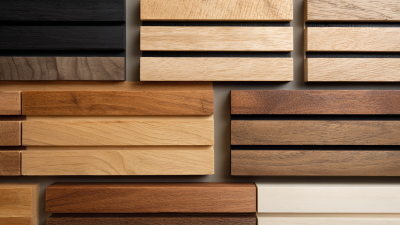
When selecting materials for acoustic slat walls, the type of wood plays a crucial role. Different woods have distinct acoustic properties. Softwoods, like pine or cedar, are often chosen for their natural sound absorption qualities. Their lighter weight makes installation easier. They’re also more budget-friendly, making them popular choices for residential projects. However, these woods may not provide the same durability as hardwoods.
On the other hand, hardwoods like oak or walnut offer a rich aesthetic appeal. They typically exhibit better resilience against wear and tear. Their denser structure can enhance sound control features in a space. Yet, the cost is usually higher. It’s essential to balance aesthetics with functionality. Finding the right wood type also depends on your room's specific layout. Some spaces may benefit more from softer woods, while others may require the robustness of hardwoods.
Choosing the right wood can feel overwhelming. There’s no one-size-fits-all answer. Some woods may warp in humid environments. Others may not match your design vision. It’s crucial to consider both the acoustic needs and the overall ambiance of your space. Engaging with professionals may help guide your selection.
2026 Best Acoustic Wood Slat Wall Designs
This chart illustrates the popularity of different wood types used in acoustic slat wall designs based on their acoustic performance and aesthetics. The data reflects the preferences in material selection for the year 2026, highlighting the best choices for creating sound-absorbing environments.
Installation Techniques: Expert Tips for Ensuring Optimal Sound Quality
When considering acoustic wood slat wall designs, installation is crucial. Proper installation techniques can enhance sound quality significantly. According to a study by the Acoustical Society of America, correctly placed acoustic panels can reduce sound transmission by up to 40%. This is vital in spaces where sound clarity matters, like recording studios or conference rooms.
Using a level and laser to ensure straight lines is essential. An uneven panel can create unwanted echoes or dead spots in sound quality. The spacing between slats also influences acoustic performance. Experts recommend a minimum gap of 1 inch between slats. This gap allows sound waves to pass through, leading to better absorption and diffusion. Additionally, using high-density insulation behind the slats can further optimize sound quality.
Many overlook the importance of testing the acoustics after installation. Walking through the space and listening for inconsistencies helps identify areas needing adjustment. Installing wood slats is not just about aesthetics; it demands a thoughtful approach to sound management. Each room is unique, and understanding its acoustical properties is essential for effective design. Listening to the environment is as important as the installation process itself.