Top Soundproof Building Materials for Your Next Project?
Soundproof Building Materials are essential for creating peaceful environments. According to John Marley, a noted expert in the acoustics field, “The right materials can transform any space into a sound sanctuary.” This statement underscores the importance of selecting the right materials for noise reduction.
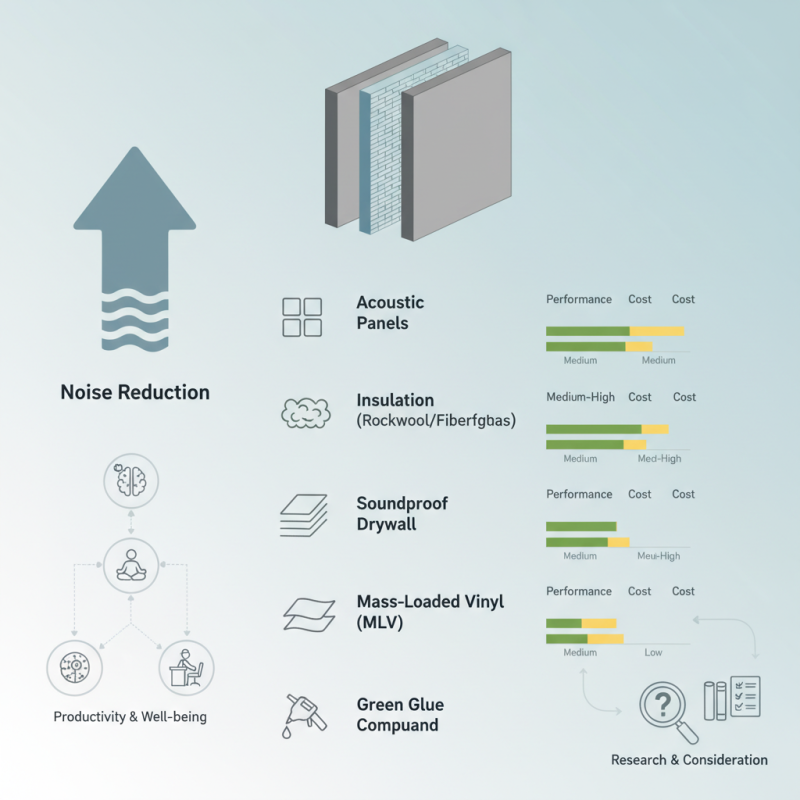
Effective soundproofing goes beyond mere comfort. It contributes to productivity and well-being. Every project deserves a thoughtful approach to material selection. From residential spaces to commercial buildings, the choice of Soundproof Building Materials can make a significant difference.
Considerations often include cost, aesthetics, and performance. Not every option delivers the results promised. Some materials may look appealing but fail in practical applications. Being informed is crucial for achieving the desired sound isolation. Selecting the right Soundproof Building Materials requires careful research and consideration.
Top Soundproof Building Materials for Your Next Project
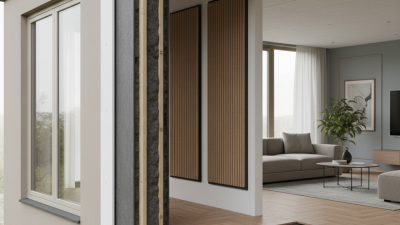
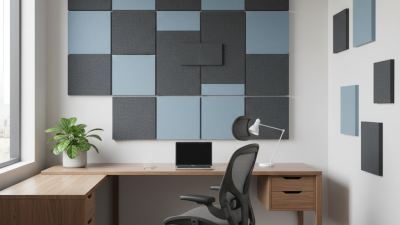
When planning your next construction or renovation project, soundproofing is key. Certain materials excel in absorbing or blocking sound, creating a peaceful atmosphere. Common options include acoustic panels, which can significantly reduce noise levels. They come in various colors and designs, allowing for both functionality and aesthetics.
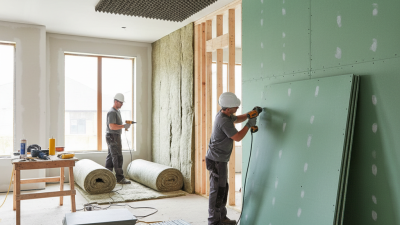
Another powerful material is mass loaded vinyl. This dense material can be added to walls, ceilings, or floors to block sound effectively. It's particularly useful in shared walls between units or rooms. Mineral wool insulation is also effective for soundproofing. It provides thermal insulation along with sound dampening, making it an efficient choice for contractors.
It's essential to consider installation challenges with different materials. Some might be more expensive or complicated to install than others. Reflecting on these factors can save time and funds down the line. Planning your project with the right soundproofing materials creates a more comfortable environment, contributing to overall satisfaction with the space.
Understanding Noise Reduction Coefficient (NRC) Ratings in Materials
Understanding Noise Reduction Coefficient (NRC) Ratings in Materials is crucial for effective soundproofing. The NRC rating quantifies a material's ability to absorb sound. It ranges from 0 to 1, where 0 indicates no absorption and 1 signifies complete absorption. For instance, a material with an NRC of 0.85 is highly effective in reducing noise.
In construction, materials such as acoustic panels and ceiling tiles are often rated for NRC. According to the Acoustical Society of America, using materials with higher NRC ratings can significantly improve acoustic comfort in spaces. An NRC of 0.70 to 0.90 is considered excellent for commercial buildings. However, achieving optimal soundproofing also depends on the installation and surrounding conditions.
Many designers can overlook the positioning of soundproof materials. A high NRC material placed incorrectly may not perform as expected. Transparency in the selection and installation process is vital. Research suggests that a combination of materials, such as carpets with high NRC values and insulated walls, often leads to better noise control. Understanding these nuances is essential for the success of soundproofing efforts.
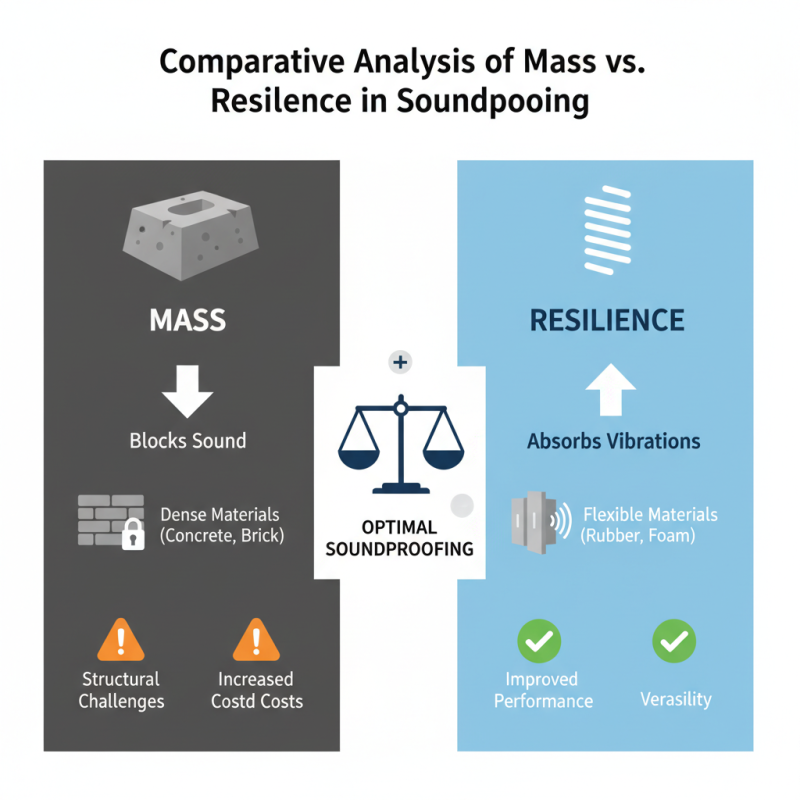
Comparative Analysis of Mass vs. Resilience in Soundproofing
When considering soundproofing for any project, two primary factors need to be evaluated: mass and resilience. Mass refers to the weight of a material and its ability to block sound. Dense materials like concrete or brick excel in this area. They provide a solid barrier against noise transmission. However, relying solely on mass may not be enough. The weight can lead to structural challenges and increased building costs.
On the other hand, resilience focuses on a material’s ability to flex and absorb sound waves. Materials like resilient channels or acoustic foam can reduce sound by dissipating energy. They are often lighter and easier to work with than mass-based solutions. Using resilient materials allows for creative configurations. However, their effectiveness can vary based on the specific frequencies they address.
The balance between mass and resilience is crucial. A heavier, dense wall may stop low-frequency noises, but may not perform well at higher frequencies. Conversely, lightweight resilient materials may excel but might let some low-frequency sounds escape. It’s essential to analyze the sound environment of your project. Tailoring your approach based on actual needs can lead to better results. Over-reliance on one solution may not yield the desired soundproofing effect.
Innovative Acoustic Panels: Materials and Performance Benefits
When designing spaces for optimal sound control, innovative acoustic panels are essential. These panels come in various materials, such as fiberglass, foam, and mineral wool. Research from the Acoustical Society of America indicates that effective acoustic treatment can reduce noise levels by up to 50%. This data shows the significant impact of choosing the right materials.
Fiberglass panels, known for their lightweight and sound absorption characteristics, are popular in many commercial settings. They provide an average noise reduction coefficient (NRC) of 0.85, which means they absorb 85% of sound energy. However, installation and acoustic performance can vary based on thickness and placement. It’s crucial to examine each project’s unique needs.
While foam panels are easier to install and cost-effective, their performance can be less effective in treating lower frequencies. The effectiveness often falls short in larger spaces or specific applications. A critical evaluation helps determine if the trade-offs fit the project’s sound management goals. Balancing aesthetics and performance makes the selection process both challenging and rewarding.
The Role of Insulation Types in Effective Soundproofing Solutions
When considering soundproofing for any construction project, the type of insulation used is crucial. Insulation acts as a barrier, absorbing and reducing sound transmission. Various materials, such as fiberglass, foam, and cellulose, each offer different soundproofing benefits. For instance, fiberglass is lightweight and effective at insulating against airborne sounds, making it a popular choice.
Choosing the right insulation can be daunting. Experimenting with different materials can yield surprising results. Some projects may benefit from a combination of insulation types. Observing how sound travels in your space can help you decide. For example, using acoustic panels in conjunction with traditional insulation can enhance soundproofing.
Here are a few tips. Consider your space’s layout and the sources of noise. Acoustic caulk can seal gaps effectively. Always consult with professionals when necessary to ensure proper installation. Reflecting on past projects may reveal how certain materials performed. Learning from these experiences can aid in making informed choices going forward.