
What Is Acoustic Ceiling Wood and Why Use It?

Acoustic Ceiling Wood combines the warmth of timber with sound-absorbing construction. It commonly uses perforated wood panels, acoustic felt, or a concealed backing layer. The small openings help reduce reflected sound from hard ceiling surfaces. This can make speech clearer in offices, restaurants, schools, and hospitality spaces. It also adds texture above eye level. A quiet ceiling changes how a room feels.

The real benefit depends on the complete ceiling system. Panel thickness, perforation patterns, cavity depth, insulation, and installation quality all affect acoustic performance. Designers should request tested ratings, such as sound absorption data, before specifying a product. A beautiful sample does not guarantee a comfortable room. That matters.

In practical projects, wood ceilings can soften the sharp echo created by glass, concrete, and polished floors. They may also hide services while creating a warmer visual rhythm. However, Acoustic Ceiling Wood is not a magic fix. It will not solve every noise problem, especially sound from adjacent rooms or mechanical equipment. Moisture exposure, fire requirements, cleaning access, and maintenance also need careful review. Local building codes and manufacturer instructions should guide the final choice.

The strongest designs balance appearance, performance, and long-term reliability. A slatted ceiling may look impressive, yet poorly placed absorptive material can limit its effect. Small details matter. Before installation, teams should examine room use, ceiling height, lighting, sprinklers, and ventilation routes. The result should feel natural, not overdesigned. Sometimes, a less dramatic layout performs better.
What Is Acoustic Ceiling Wood and Why Use It?

Definition and Basic Structure of Acoustic Ceiling Wood

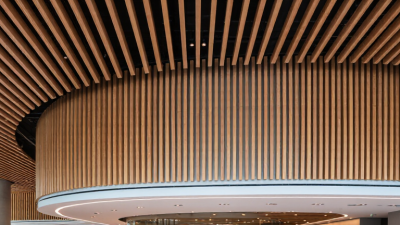
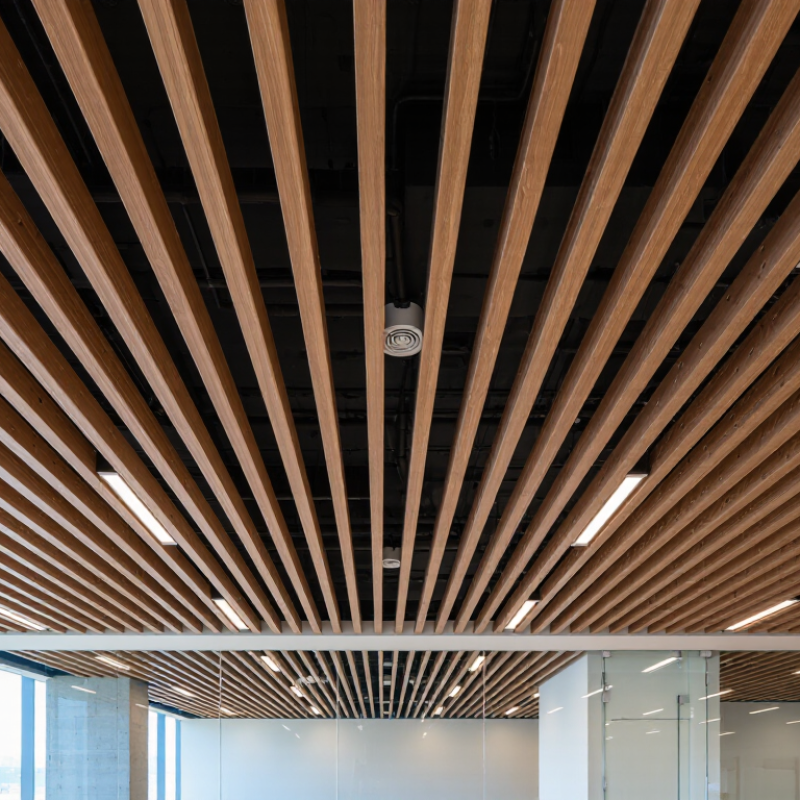
Acoustic ceiling wood is a ceiling system designed to reduce reflected sound while preserving the warmth of natural wood. It usually combines a wood surface with sound-absorbing layers behind it. The visible surface may contain narrow slats, grooves, perforations, or small gaps. These openings allow sound energy to pass through instead of bouncing directly around the room.

Its basic structure has several working parts. A wood veneer or solid wood face provides the visual finish. Behind it, an acoustic fleece or porous backing captures part of the sound. An air cavity often sits behind this layer, supported by a suspension grid or timber framework. This cavity matters because trapped air helps improve absorption, especially across speech frequencies. The exact performance depends on perforation size, panel spacing, backing density, and installation depth.

One detail is easy to miss. A beautiful wood ceiling cannot correct every acoustic problem. In rooms with hard floors, glass walls, and little furniture, reverberation may remain noticeable. During site inspections, installers should check ceiling height, lighting, ventilation, and access above the panels. These services can interrupt the acoustic layer. Measurements from certified laboratory tests are useful, but real rooms behave differently. I would treat the published rating as a guide, not a promise. Careful detailing usually matters as much as the wood itself.

How Acoustic Ceiling Wood Controls Sound

What Is Acoustic Ceiling Wood and Why Use It?

How Acoustic Ceiling Wood Controls Sound

Acoustic ceiling wood combines a visible timber surface with sound-absorbing materials above or behind it. Common designs use perforated panels, narrow slats, or grooved boards. Small openings allow sound energy to pass into an acoustic backing layer. That layer reduces reflected noise instead of sending it back across the room.

In practice, this can soften voices in meeting rooms, classrooms, restaurants, and open offices. Imagine a busy room with hard floors and bare walls. Conversations bounce between surfaces, creating a tiring wash of sound. A properly designed wood ceiling helps shorten reverberation time. It can make speech clearer without making the room feel visually cold.

The ceiling does not block every sound. It mainly controls reflections from above. Footsteps from another floor may require structural isolation, not surface absorption. This distinction is often missed. Acoustic performance depends on panel spacing, backing thickness, ceiling height, and room volume. Tested absorption data, such as laboratory ratings, should guide the design rather than appearance alone.

A ceiling can look quiet.
It may not sound quiet.

Professional acoustic assessment is useful before installation, especially in large or irregular rooms. Designers should also check moisture resistance, fire requirements, maintenance access, and lighting coordination. Wood adds warmth and texture, but it can expose poor planning. I have found that even a beautiful ceiling disappoints when sound paths, ventilation noise, or wall reflections remain untreated.

Key Materials and Design Options

What Is Acoustic Ceiling Wood and Why Use It?

Key Materials and Design Options

Acoustic ceiling wood combines a visible timber surface with sound-absorbing layers. Common surfaces include real wood veneer, stained plywood, or solid-wood slats. Behind them, mineral wool or recycled polyester helps reduce reflected noise. Perforations and acoustic fleece improve sound control without hiding the wood grain.

Slatted systems create a warm, linear appearance and suit offices, libraries, restaurants, and learning spaces. Perforated panels offer a cleaner, more continuous ceiling. The hole pattern, panel thickness, and backing material affect acoustic performance. Always check tested ratings for the complete ceiling assembly, not just one component. Quiet performance matters.

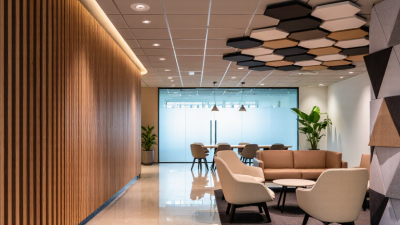
Design choices also include open-joint spacing, curved panels, edge details, and suspended mounting systems. Narrow slats can make a low ceiling feel longer. Wider panels may create a calmer visual field. The finish changes everything. Light oak tones reflect brightness, while darker stains add visual weight. In practice, designers should coordinate lighting, sprinklers, ventilation, and access panels early.

A common mistake is choosing wood by appearance alone. A beautiful ceiling may still sound harsh if the backing is too thin or poorly installed. Installation gaps, room volume, and furniture also influence results. Details remain visible. Samples should be reviewed under the actual lighting before approval, because colors and perforations can look different at full scale. The trade-off between visual richness, maintenance, budget, and sound absorption deserves careful attention.

Benefits for Different Interior Spaces

Acoustic ceiling wood combines timber slats or perforated panels with an absorptive backing layer. The wood adds warmth, while the backing reduces reflected sound. Together, they can make conversation clearer and rooms more comfortable.

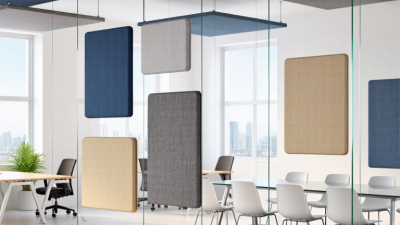
In open offices, this ceiling treatment helps soften calls, keyboard noise, and movement between workstations. It works especially well above shared desks and meeting areas. In restaurants, wood ceilings can reduce the sharp clatter of dishes without making the room feel visually cold. The effect is practical and atmospheric.

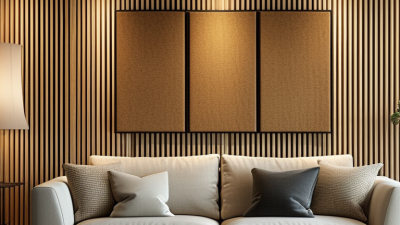
Classrooms also benefit from improved speech clarity. Teachers can speak with less strain, while students hear instructions more easily. In homes, acoustic wood suits media rooms, studies, and open-plan living spaces. Its natural texture can make large ceilings feel less empty.

It is not a cure-all.

Room shape, ceiling height, floor finishes, and furniture still matter. A highly reflective room may need wall panels or soft furnishings as well. In healthcare interiors, designers should check cleanability, hygiene requirements, and moisture resistance before selecting a wood system. Fire performance deserves equal attention.

Good results depend on measured acoustic goals, not appearance alone. A qualified installer should coordinate panel spacing, lighting, ventilation, and access points. Small gaps can change the final sound performance. Even attractive wood may disappoint when the backing layer is too thin or poorly fitted.

What Is Acoustic Ceiling Wood and Why Use It? — Benefits for Different Interior Spaces
Dimension Key Information Typical Application or Consideration Practical Benefit
Definition Acoustic ceiling wood is a wood-based ceiling system designed to combine interior wood appearance with sound absorption or sound diffusion. It commonly uses perforated, slotted, grooved, or open-joint wood panels installed with an acoustic backing layer. Suitable for ceilings, suspended clouds, baffles, and selected wall-to-ceiling applications. Improves acoustic comfort while adding warmth, texture, and visual structure to an interior.
How sound absorption works Openings in the wood surface allow sound energy to reach an absorptive layer behind the panel. The backing material helps reduce reflected sound and reverberation. Performance depends on perforation or slot pattern, open area, backing thickness, air cavity, and installation method. Helps reduce excessive echo and improves speech intelligibility.
Common acoustic rating Many perforated or slotted wood ceiling assemblies can achieve approximately NRC 0.50–0.85 when tested as a complete system. The actual result varies significantly by construction. Specify tested results for the exact panel, backing, suspension system, and mounting depth rather than relying only on the wood surface. Provides a measurable basis for acoustic design and project comparison.
Speech clarity Ceiling absorption can limit sound reflections between hard surfaces, which supports clearer conversations and announcements. Important in classrooms, meeting rooms, restaurants, reception areas, and open-plan workplaces. Reduces listening effort and makes spoken communication easier to follow.
Visual character Natural wood veneer, engineered wood, or wood-look finishes can introduce grain, color variation, and a crafted architectural appearance. Use linear slats for directional emphasis, panels for a quieter visual field, or clouds and baffles for focal areas. Creates a warmer alternative to plain mineral-fiber or metal ceiling surfaces.
Open-plan office Acoustic wood ceilings can be combined with other absorptive surfaces to control reflections in large, active spaces. Use above collaborative zones, circulation paths, or shared work areas; supplement with wall panels and soft furnishings where needed. Balances design quality with improved acoustic comfort in workplaces.
Classroom and training room Absorptive ceilings help reduce reverberation, a major factor affecting speech clarity in learning environments. Coordinate ceiling absorption with room geometry, ventilation, lighting, and any required impact-resistance criteria. Supports teacher-to-student communication and classroom concentration.
Restaurant and café Wood ceiling systems can soften sound reflections generated by conversations, tableware, and hard floor or wall finishes. Use acoustic treatment across busy seating areas while maintaining cleanable and durable surfaces. Helps create a more comfortable dining atmosphere without sacrificing visual appeal.
Hotel lobby and reception area A wood ceiling can provide a strong first impression while helping manage sound in a high-volume public space. Consider continuous panels, decorative rafts, or baffles according to ceiling height and design intent. Combines hospitality-focused aesthetics with better acoustic control.
Auditorium and multipurpose hall Wood surfaces can be designed to provide a mix of absorption and diffusion, rather than absorbing all sound uniformly. Use acoustic modeling and professional testing to coordinate ceiling geometry with speech, music, and sound-system requirements. Supports balanced room acoustics for different activities.
Healthcare interior Acoustic ceiling wood may contribute to a calmer environment when the selected system meets hygiene, cleanability, durability, and fire-performance requirements. Verify suitability for the specific healthcare zone and comply with applicable local regulations. Can improve perceived comfort while maintaining a welcoming, non-institutional appearance.
Design flexibility Available formats may include linear strips, modular panels, open-cell systems, suspended clouds, and vertical baffles. Coordinate module size with lighting, air diffusers, sprinklers, access panels, and ceiling services. Allows acoustic treatment to support both architectural composition and building services.
Fire and code requirements Wood products and acoustic backing must be evaluated as an installed assembly for flame-spread, smoke-development, and other required performance criteria. Check local building codes and request project-specific test documentation before specification. Helps maintain regulatory compliance and occupant safety.
Moisture and maintenance Wood ceiling systems should be protected from excessive moisture, leaks, and unsuitable environmental conditions. Surface cleaning requirements vary by finish. Confirm humidity limits, cleaning methods, replacement access, and warranty conditions during design. Supports long-term appearance and service performance.
Sustainability considerations Environmental impact depends on the wood source, adhesive and coating content, manufacturing process, durability, and end-of-life options. Review verified environmental information, responsible sourcing documentation, recycled content, and life-cycle data where relevant. Enables more informed material selection beyond appearance alone.
Best selection approach Choose the system based on acoustic targets, fire performance, moisture exposure, cleanability, ceiling coordination, visual goals, and installation constraints. Request full-size samples, technical data, installation details, and test reports for the proposed assembly. Reduces design risk and improves the likelihood of achieving the intended result.

Note: Acoustic performance figures are indicative ranges for typical wood-based acoustic ceiling assemblies, not guaranteed values for every product. Final performance should be confirmed through project-specific laboratory test data and professional acoustic design.

Installation, Maintenance, and Selection Considerations

What Is Acoustic Ceiling Wood and Why Use It?

Installation, Maintenance, and Selection Considerations

Acoustic ceiling wood combines a natural surface with sound-control features, such as perforations, grooves, and acoustic backing. It can soften speech, reduce harsh reflections, and add warmth to offices, restaurants, libraries, and learning spaces. The visible pattern matters, but the hidden absorption layer often does more acoustic work. A beautiful panel can still perform poorly when the backing is too thin.

Installation begins with accurate ceiling measurements and a level support system. Contractors should allow space for lighting, sprinklers, ventilation, and future access. Panels need careful alignment, especially when grain direction creates a continuous visual pattern. I have seen small layout errors become highly visible under strong downlights. That risk deserves attention before cutting begins. Room shape, occupancy, and noise sources should guide the acoustic specification, not appearance alone.

Maintenance is usually simple, but it is not maintenance-free. Dust should be removed with a soft brush or low-suction vacuum. Wipe marks gently with a slightly damp cloth, then dry the surface quickly. Excess moisture may stain wood or affect the backing material. Selection also requires checking fire performance, humidity limits, panel thickness, perforation size, and replacement availability. Solid wood, veneer, and engineered surfaces behave differently over time. A sample viewed in daylight can reveal color variation that showroom lighting hides. No room is perfect. Budget, acoustic goals, cleaning habits, and installation skill must be considered together.

Write your message here and send it to us.