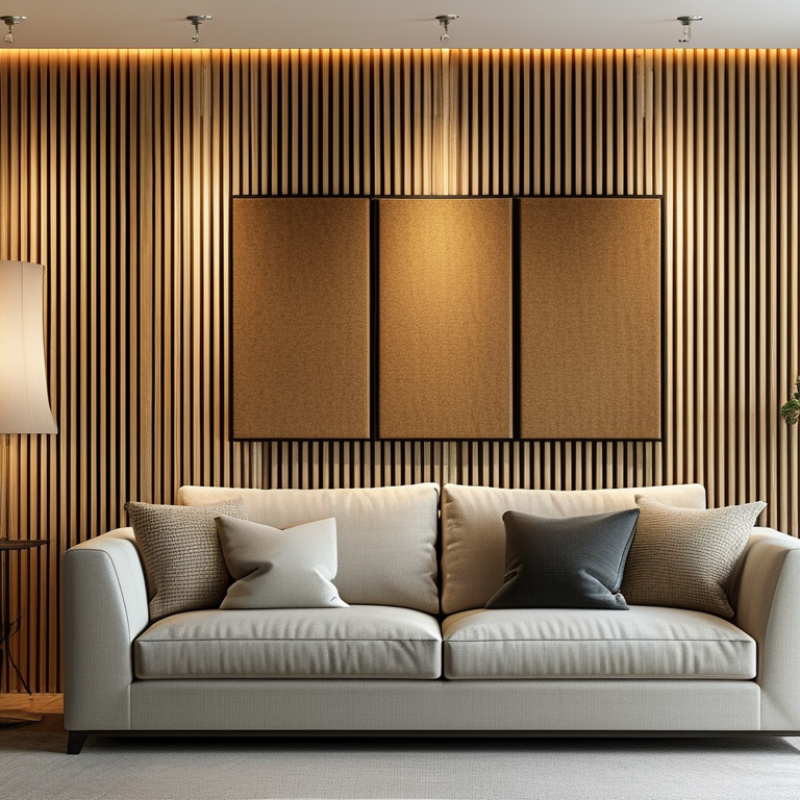
Top Tips for Choosing Slat Wall Acoustic Panels for Your Space?
When selecting the ideal Slat Wall Acoustic Panels for your space, expert insights can be invaluable. John Davis, an industry specialist in acoustic design, emphasizes, "The right acoustic panel can transform your environment." His advice highlights the importance of sound control in any room.
Acoustic panels serve both functional and aesthetic purposes. The slatted design not only absorbs sound but also adds visual interest. However, choosing the wrong panel may lead to disappointing results. Each space has unique acoustic properties that deserve thoughtful consideration.
Research is key to making informed choices. Measure your space, analyze its acoustics, and determine what style suits your needs. Look for high-quality materials and professional guidance to achieve the best setup. While the process may feel overwhelming, the benefits of well-chosen Slat Wall Acoustic Panels can significantly enhance your sound experience.
Understanding Acoustic Panels: Types and Benefits
Acoustic panels are essential for managing sound in various spaces, from homes to offices. They come in different types, with each offering unique benefits. For instance, foam panels are lightweight and easy to install, while fabric-wrapped panels provide adjustable aesthetics. Understanding these differences can guide you in making an informed choice.
When selecting acoustic panels, consider their absorption properties. Some panels excel at reducing echoes, while others minimize background noise. The material can also affect performance. Wood-based panels often enhance the visual appeal but may lack in sound absorption. Reflecting on the specific needs of your space helps in selecting the right type.
A well-designed acoustic panel can transform a room. Yet, many people overlook their installation placement. Panels that are too high or poorly positioned may not yield the desired results. Engage in trial and error to find the ideal location for maximum effectiveness. Remember, sound management is an ongoing process, requiring adjustments based on your environment.
Evaluating Your Space: Room Size and Acoustics
Choosing the right slat wall acoustic panels starts with understanding your space. The size of the room plays a crucial role in achieving optimal acoustics. In a small room, sound can bounce excessively, causing echoes. Consider the placement of furnishings and wall structures. A larger room may require more panels to absorb sound effectively.
Take note of the existing surfaces within your space. Hard surfaces like tile or concrete can amplify noise. Adding slat wall panels can help absorb sound and reduce overall noise levels. Reflect on the material of your panels, as different materials deliver varying results. Not every panel will suit your needs; evaluate how they interact with the room's dimensions and design.
While aesthetics are important, focus on functionality. A beautiful panel won't help if it doesn’t improve acoustics. Think about future needs. Your space may change over time, requiring adjustments to your panel choice. Remember, it’s a balance between form and function. Make informed decisions to create a harmonious environment that meets your acoustic needs.
Selecting the Right Material for Slat Wall Acoustic Panels
When selecting materials for slat wall acoustic panels, it's crucial to consider their sound absorption properties. Research from the Acoustical Society of America indicates that the right material can reduce noise levels by up to 30%. Wood provides a natural aesthetic but varies in sound absorption. MDF (Medium Density Fiberboard) is often recommended for its consistent performance and affordability.
Each material's density impacts its acoustic performance. Denser materials typically absorb sound better. For instance, high-density fiber panels can significantly improve acoustics in larger spaces, as noted by industry reports. However, this comes with additional costs and requires careful installation. Additionally, the finish of the panels plays a role. Smooth surfaces might reflect sound rather than absorb it, creating unwanted echoes.
While aesthetic appeal is essential, functionality should not be sacrificed. Balancing design with effective sound control can be challenging. Not all materials will perform well in every situation. Engaging with experienced acoustic consultants can provide insights tailored to specific environments. Adopting a trial-and-error approach can uncover optimal solutions, even if it may initially lead to less than perfect outcomes.
Design Considerations: Aesthetics and Functionality
When selecting slat wall acoustic panels, aesthetics and functionality should go hand in hand. The visual appeal of your space plays a crucial role. Choose colors and textures that harmonize with existing interiors. Consider the scale of the panels. Larger panels can create a bold statement, while smaller ones offer flexibility in design. The arrangement allows for creativity, enabling a personal touch in the space.
Functionality is equally important. Acoustic panels are designed to reduce noise and enhance sound clarity. Assess the specific acoustic needs of your environment. Different materials absorb sounds at various frequencies. Dense wood options may provide more sound absorption than lightweight alternatives. Reflect on the intended use of the space. A busy cafe may require different panel choices than a home theater.
Balancing these elements is essential. Sometimes, a stunning design may compromise sound quality or vice versa. Isn't it worth questioning if the visual appeal outweighs the acoustic performance? By scrutinizing both aspects, you can create a harmonious environment that enriches experiences while maintaining aesthetic integrity.
Installation Tips for Optimal Sound Absorption and Performance
When installing slat wall acoustic panels, proper placement is crucial for sound absorption. According to a study by the Acoustical Society of America, effective placement can improve sound quality by up to 35%. Ensure panels cover areas where sound reflects the most, like corners and large flat walls.
Here are some tips for optimal installation:
1. **Align with the room's layout**: Consider the orientation of furniture and people when placing panels. Align them to minimize echoes in frequently used areas.
2. **Experiment with distances**: Keep a distance of at least 2 inches from the wall. This gap allows sound waves to breathe and enhances performance.
Remember, not every wall suits acoustic panels. Testing different materials can reveal their limitations. For example, harder surfaces may not provide the same sound quality. This experimentation fosters a deeper understanding of your space’s acoustics, ultimately making your panel selection more effective.
Be mindful of aesthetics as you install. The visual appeal of slat walls can sometimes distract from their sound-absorbing qualities. Balancing functionality and design is essential for creating a harmonious environment.
Top Tips for Choosing Slat Wall Acoustic Panels for Your Space
This chart illustrates the effectiveness of different types of acoustic panels in reducing sound frequency across various ranges, essential when selecting slat wall acoustic panels for optimal sound absorption and performance.