Top Wood Panel Wall Cladding Options for Global Buyers?
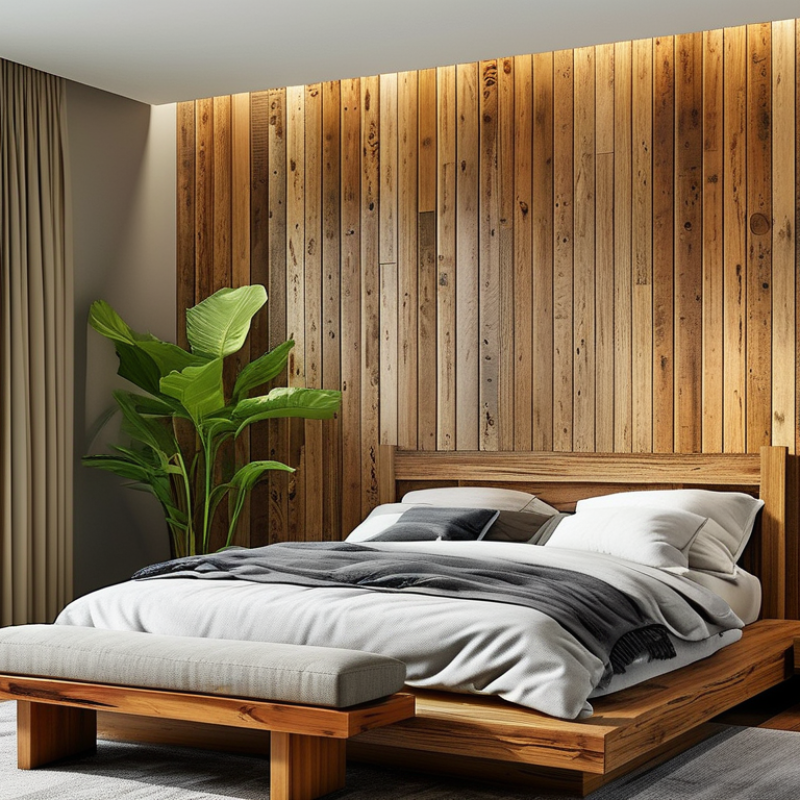
Wood Panel Wall Cladding has become increasingly popular among global buyers seeking aesthetic and functional building solutions. This versatile material offers a blend of natural beauty and practicality, making it an ideal choice for both residential and commercial spaces. Its ability to enhance interiors and exteriors adds visual appeal, while also providing insulation and durability.
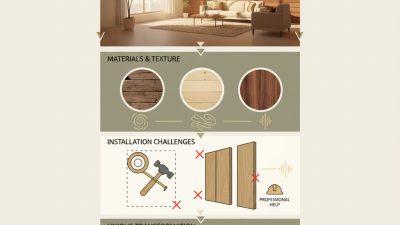
As the market for Wood Panel Wall Cladding expands, different options are available. Timber varieties, finishes, and installation methods create a complex landscape for buyers to navigate. Some materials may not perform as expected. There are also concerns about sustainability and sourcing. Navigating these challenges requires a critical eye and informed choices.
In this evolving market, understanding the nuances of Wood Panel Wall Cladding is essential. Buyers need to consider styles, maintenance, and environmental impact. This ensures that their selection aligns with both aesthetic desires and practical needs. Reflecting on these aspects leads to better, more sustainable decisions.
Top Wood Panel Wall Cladding Options for Global Buyers
When considering wood panel wall cladding options, buyers face a multitude of choices. Different types of wood offer unique aesthetic and functional benefits. For instance, cedar provides natural resistance to decay, making it an ideal choice for both indoor and outdoor settings. Its rich tones add warmth to any space.
Pine is another popular option, valued for its affordability and versatility. It is easy to work with, allowing for various finishes and styles. However, pine can be prone to dents and scratches, requiring more maintenance over time. Buyers should weigh these factors carefully, balancing cost with durability.
Exotic woods, such as teak or mahogany, bring a lavish feel to interiors. Their deep colors and unique grain patterns elevate design significantly. Yet, these options can be costly and may come with sustainability concerns. Global buyers must think critically about environmental implications. Choosing responsibly sourced wood is crucial. Emphasizing both beauty and ethics in cladding choices fosters a more sustainable future.
Understanding Different Types of Wood for Wall Cladding
When selecting wood for wall cladding, understanding different types is crucial. Options vary widely, each with unique characteristics. For instance, cedar offers natural resistance to decay, making it ideal for humid climates. Its warm tones and fragrant aroma enhance spaces beautifully.
Pine, another popular choice, brings a rustic feel. It's affordable and easy to work with, but it requires proper treatment to prevent warping. In contrast, oak is known for its durability and appealing grain patterns. However, it can be quite heavy and more expensive.
Exploring these woods requires reflection. Each type has pros and cons influencing choice. Consider the aesthetic, maintenance needs, and the environment where the cladding will be used. Ultimately, selecting wood involves personal taste and practical requirements. Taking the time to understand these factors will lead to a more satisfying decision.
Top Wood Panel Wall Cladding Options for Global Buyers
| Wood Type |
Durability |
Cost (per square meter) |
Maintenance Level |
Eco-Friendliness |
| Oak |
High |
$50 |
Moderate |
Yes |
| Pine |
Medium |
$30 |
Low |
Yes |
| Teak |
Very High |
$100 |
High |
Moderate |
| Cedar |
High |
$45 |
Moderate |
Yes |
| Maple |
High |
$60 |
Moderate |
Yes |
Durability and Maintenance Considerations for Wood Panels
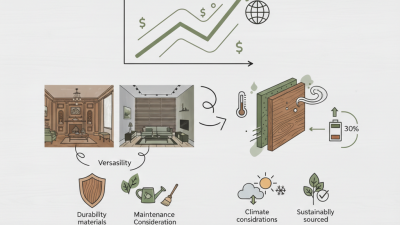
When considering wood panel wall cladding, durability is paramount. Different types of wood have varying resilience to environmental factors. For instance, cedar is naturally resistant to rot and insects. This can extend the life of your cladding significantly. However, even durable woods require maintenance. Regular inspections are essential. They help spot issues like peeling paint or mold growth early, preventing costly repairs later.
Maintenance is not just about aesthetic appeal; it also affects longevity. Simple tasks can make a significant difference. Cleaning the panels periodically can reduce the buildup of dirt and grime. Additionally, applying a wood finish can enhance protection against UV rays and moisture. It’s tempting to overlook these tasks, but neglect can lead to serious damage. Remember that wood expands and contracts. This natural process can cause cracks if not properly managed.
Investing in quality materials is wise, but owners must commit to upkeep. Even the most beautiful wood can falter without care. Consider the climate in your area. Humidity and temperature changes directly impact wood panels. Consulting with professionals can offer insights tailored to your local conditions. Ultimately, durability in wood panels requires a proactive approach and a willingness to adapt maintenance practices.
Aesthetic Styles: Natural, Stained, and Painted Wood Finishes
When it comes to wood panel wall cladding, aesthetic choices can greatly influence a space. Natural finishes allow the wood's inherent beauty to shine. They highlight unique grain patterns and textures, creating warmth and depth. According to industry reports, natural wood remains a top choice for 40% of buyers. This trend emphasizes the demand for authentic, organic designs.
Stained wood finishes offer versatility. They enhance color without masking the grain. With options ranging from light to dark hues, stained finishes can suit any decor style. A recent survey found that nearly 30% of homeowners prefer stained finishes for their ability to blend with various furnishings. However, it’s essential to choose high-quality stains to avoid fading.
Painted finishes open up a world of possibilities. They allow for bold designs and can transform a space dramatically. Reports indicate that around 25% of buyers opt for painted wood cladding. However, the durability may vary based on the paint used. Not all paints adhere well to wood, so research can prevent costly mistakes.
Tips: Always test samples before making a final decision. Ensure that your choice reflects your overall design vision. Maintenance is crucial for preserving finishes, whether natural, stained, or painted. Regular care will extend the life of your cladding.
Top Wood Panel Wall Cladding Options for Global Buyers
Sourcing Wood Panels: Market Trends and Best Suppliers
When sourcing wood panels for wall cladding, several trends shape the market. Sustainable forestry practices are now paramount. Many global buyers prefer panels sourced from certified suppliers who maintain eco-friendly harvesting methods. This focus on sustainability ensures the preservation of forests while supporting local economies.
Quality is another essential consideration. Buyers must evaluate the durability and finish of wood panels. Premium options may come with a higher price but often offer better longevity. Suppliers should provide detailed specifications, including moisture content and treatment processes. These factors can influence the panel's performance in various climates.
A network of reliable suppliers is critical. Few are well-versed in global shipping logistics. Establishing strong relationships with multiple sources can prevent delays. Prospective buyers should also pay attention to after-sales support. This aspect often reflects a supplier’s commitment to their products. In this evolving market, flexibility and adaptability are crucial for sourcing wood panels effectively.
Conclusion
The article "Top Wood Panel Wall Cladding Options for Global Buyers" explores various types of wood panel wall cladding suitable for diverse international markets. It begins by examining the different types of wood available for wall cladding, considering their unique properties and aesthetics. Durability and maintenance are critical factors discussed, emphasizing the need for durable wood that can withstand environmental challenges while retaining its appeal.
Furthermore, the article delves into aesthetic styles, highlighting options such as natural finishes, stained, and painted wood to cater to various design preferences. It also addresses current market trends and offers insight into best practices for sourcing wood panels from reliable suppliers. Lastly, sustainability is underscored, presenting eco-friendly choices for environmentally conscious buyers, making wood panel wall cladding not only a functional element but also a sustainable design solution.