Top 5 Wood Panel Wall Cladding Options for Global Buyers?
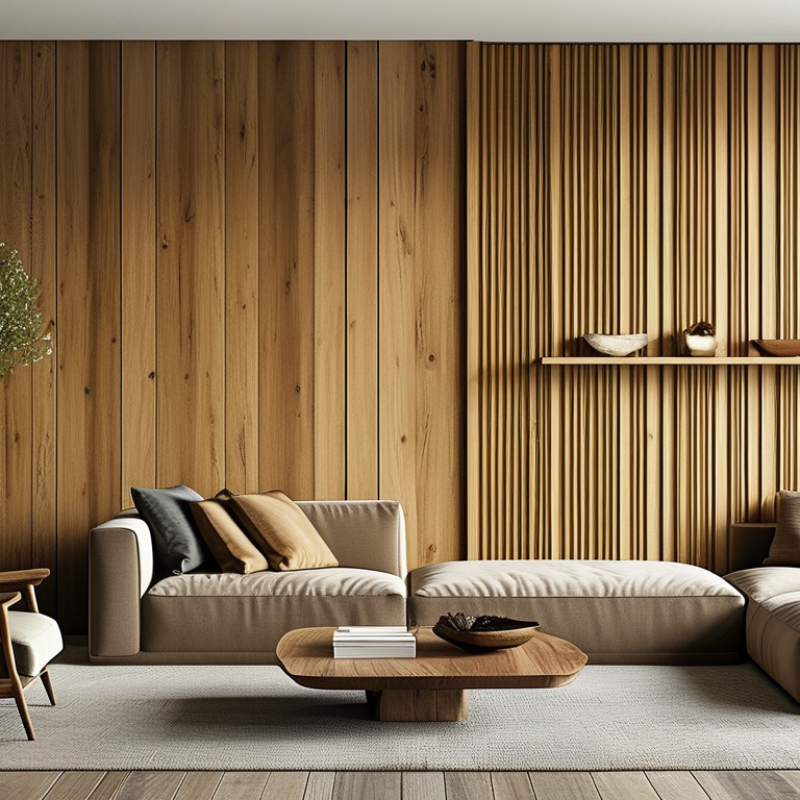
When it comes to enhancing interiors, "Wood Panel Wall Cladding" remains a top choice. Renowned expert Dr. Emily Green states, "Wood cladding not only adds beauty but also warmth to spaces." Her insights capture the essence of this versatile material.
The demand for wood panel cladding continues to grow among global buyers. With various options available, it's essential to understand their unique characteristics. From traditional oak to modern bamboo, each type offers distinct aesthetic and functional benefits. The right choice can elevate any room's ambiance, making it feel inviting and sophisticated.
Yet, potential buyers sometimes overlook the importance of sustainability and maintenance. Not all wood panels are created equal. Some may require more upkeep than others, making it crucial to do thorough research. A thoughtful selection process can lead to stunning results, transforming spaces for the better.
Overview of Wood Panel Wall Cladding Types
When considering wood panel wall cladding, several options stand out for global buyers. Each type serves distinct aesthetic and functional purposes, catering to diverse market preferences. Plywood, for instance, enjoys popularity due to its cost-effectiveness and adaptability. Reports indicate that the plywood market alone is projected to grow by 4.5% annually through 2027. This growth reflects a shift towards sustainable building practices, as plywood is often sourced from managed forests.
Another interesting option is solid wood cladding. It offers a timeless look and durability. Its natural properties sometimes require ongoing maintenance to avoid weather-related issues. A study highlighted that solid wood cladding could last over 30 years with proper care but may not be suited for all climates. This poses a challenge for buyers in regions with extreme weather.
Engineered wood panels provide a balance of appearance and resilience. These products combine various wood strands and adhesives to enhance stability. Research indicates this segment could grow by 6% annually, driven by increased demand in commercial spaces. Nevertheless, concerns over the environmental impact of adhesives are critical. Buyers must assess the sustainability credentials of these products before making a choice.
Advantages of Using Wood Panel Wall Cladding
Wood panel wall cladding offers a unique and natural aesthetic that many homeowners and designers appreciate. It provides warmth and texture, enhancing both modern and traditional interiors. The natural grain and color variations in wood can create an inviting atmosphere. Using wood also connects indoor spaces with nature, promoting a sense of calm.
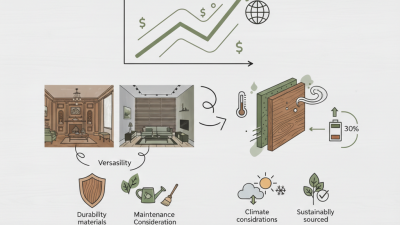
One significant advantage of wood paneling is its insulation properties. It helps regulate indoor temperatures, making spaces feel cozier. This reduces energy usage, leading to lower bills. Additionally, wood has a low carbon footprint compared to other materials. It can even improve indoor air quality by absorbing harmful pollutants. However, wood requires maintenance to prevent issues like warping or pest infestations. Regular checks and care are essential.
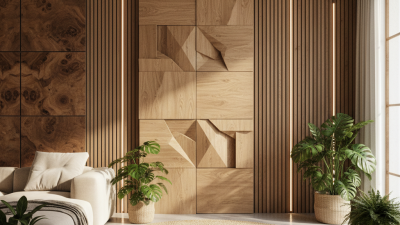
Aesthetic versatility is another strong point. Wood panels fit various design trends, from rustic to contemporary. They can be painted or stained to match any color scheme. Some people may overlook the texture, thinking it might complicate décor. Yet, the right panel design can serve as a stunning focal point. Choosing the right finish is crucial for durability and appearance. Each wood type has distinct characteristics, which influences the overall look and feel. Balancing these factors can lead to beautiful, long-lasting results.
Key Factors to Consider When Choosing Wood Panels
When selecting wood panel wall cladding, various factors are essential to ensure you make the right choice. One of the key considerations is the type of wood. Hardwoods like oak and maple are durable, while softwoods like pine can be more affordable and easy to work with. Understanding the nuances of wood types helps in making informed decisions.
Another vital aspect is the finish. A properly finished wood panel not only enhances its appearance but also increases its resilience against moisture and wear. This is especially important in areas with high humidity or usage. Look for finishes that provide protection without compromising the wood's natural beauty.
**Tips:** Opt for eco-friendly finishes when possible. They are safer for indoor air quality.
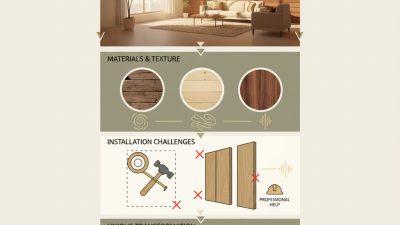
Consider the installation method as well. Some panels are easier to install than others. Interlocking systems can save time and reduce errors. A complicated setup may lead to frustration and wasted materials.
**Tips:** Always measure your space accurately to avoid excessive cutting. Mistakes in measurement can hinder your project.
Lastly, think about maintenance. Different wood panels require varying levels of upkeep. Some may need regular oiling or resurfacing. Choose a style that fits your lifestyle to ensure long-lasting satisfaction.
Top 5 Wood Panel Wall Cladding Options for Global Buyers
| Wood Type |
Durability (Years) |
Cost (USD per sq ft) |
Maintenance Level |
Sustainability Rating |
| Teak |
50 |
$15 |
Low |
Medium |
| Cedar |
30 |
$10 |
Moderate |
High |
| Pine |
15 |
$5 |
High |
Medium |
| Oak |
40 |
$12 |
Moderate |
High |
| Mahogany |
50 |
$18 |
Low |
Medium |
Top 5 Wood Panel Options for Global Buyers
Wood panels are a versatile choice for wall cladding. They enhance aesthetics while offering warmth and texture. Here are top options for global buyers considering wood panel installations.
1. **Plywood** is an affordable and lightweight choice. It comes in various finishes. Plywood is easy to install, making it ideal for DIY projects. Consider the grain and color to match your theme.
2. **MDF (Medium Density Fiberboard)** provides a smooth and sleek finish. It is often used for modern interiors. However, it may not resist moisture as well as solid wood. Ensure proper sealing to extend its life.
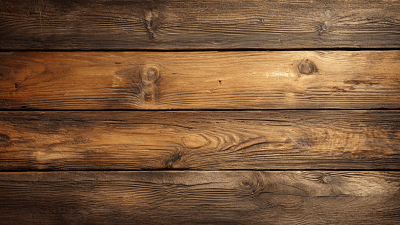
3. **Reclaimed wood** offers a unique charm. Each piece tells a story, featuring natural imperfections. It’s an eco-friendly option, but sourcing can be a challenge. Try local suppliers to find quality material.
Tips: Always check for sustainability certifications when selecting wood panels. This ensures you’re making environmentally friendly choices.
4. **Hardwood panels** are durable and luxurious. Common types include oak and walnut. They require more investment but offer long-term value. Consider their hardness for high-traffic areas.
5. **Bamboo panels** are a sustainable alternative. They grow quickly and have a distinct look. However, they can be more expensive than traditional woods. Assess your budget before choosing bamboo.
Tips: Consider the installation space's humidity and temperature when choosing wood. This impacts the material’s performance. Research each option before making a decision.
Installation and Maintenance Tips for Wood Wall Cladding
When installing wood wall cladding, it is essential to prioritize proper preparation. Start by ensuring that your wall surface is clean and dry. Any moisture can compromise adhesion and lead to decay over time. Using a level can help avoid uneven surfaces.
Choosing the correct fasteners is crucial. Stainless steel or galvanized screws are often recommended to resist rust. Also, consider the spacing between panels. Proper gaps allow for natural wood expansion and contraction during temperature changes. These small steps can prevent larger issues down the line.
Maintenance is another key aspect. Regularly check for signs of wear, such as fading or warping. A routine cleaning schedule with mild soap and water will help maintain the wood's appearance. Applying a protective sealant can prolong the life of your cladding. However, over time, even the best sealants may wear out. Regular inspections ensure that beauty and durability go hand in hand in your wood paneling project.
Top 5 Wood Panel Wall Cladding Options