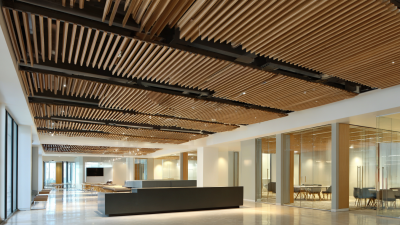
Top Soundproof Building Materials for Quiet Spaces?
In an increasingly noisy world, the demand for quiet spaces is rising. Homeowners, architects, and designers are all looking for effective solutions. This is where soundproof building materials come into play. These materials significantly reduce noise transmission, enhancing comfort in residential and commercial spaces.
Soundproof building materials vary widely. They include acoustic panels, soundproof drywall, and specialized insulation. Each option offers unique benefits for different environments. Selecting the right materials is crucial. It can be tricky to balance aesthetics and functionality. Some people may underestimate the importance of proper installation. Even the best materials can fail if not applied correctly.
Creating a quiet space requires thoughtful consideration. Beyond just purchasing soundproof materials, understanding their properties is vital. Knowledge about the best combinations can lead to more effective soundproofing. Reflection on one's choices can improve results greatly. So, exploring soundproof building materials is essential for achieving the peaceful environment we all desire.
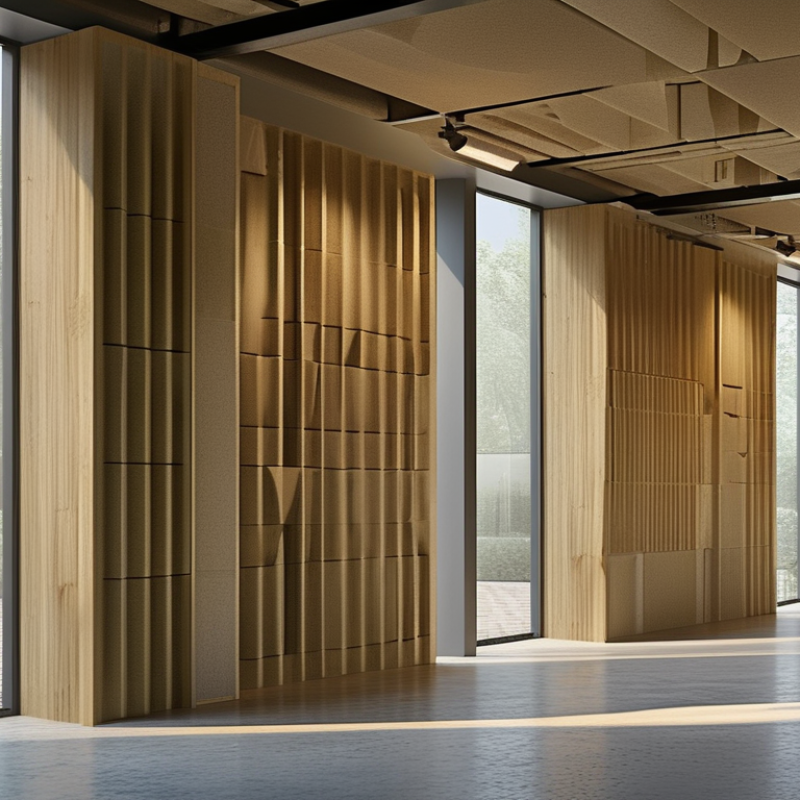
Top Sound-Absorbing Materials: Understanding Their Acoustic Properties
In creating quiet spaces, understanding sound-absorbing materials is crucial. Acoustic properties vary greatly, influencing how noise control is achieved. For instance, materials like mineral wool and foam are popular choices due to their high Noise Reduction Coefficient (NRC) ratings. According to the Acoustical Society of America, a material with an NRC of 0.90 can absorb up to 90% of sound, making it highly effective.
Tips for Choosing Materials: Focus on density and thickness. Denser materials typically absorb more sound. Consider combining materials to enhance overall performance. For example, layering foam with softer materials can significantly boost sound absorption.
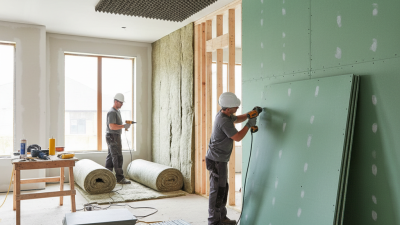
However, not all products deliver the promised results. Some may not perform as expected, leading to dissatisfaction. Research indicates that improper installation can reduce effectiveness. It’s essential to follow guidelines for installation and to seek professional input when needed. Always test materials in your specific environment for best results.
Top Soundproof Building Materials for Quiet Spaces
This chart displays the acoustic properties of various sound-absorbing materials, measured in Noise Reduction Coefficient (NRC). A higher NRC value indicates better sound absorption. The materials considered include fiberglass, foam panels, acoustic tiles, and heavy curtains.
Comparison of Mass-Loaded Vinyl vs. Acoustic Panels for Soundproofing
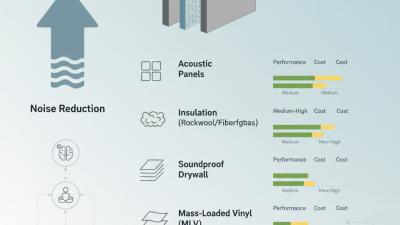
When considering soundproofing solutions, mass-loaded vinyl (MLV) and acoustic panels stand out. MLV is a dense material, typically crafted from a mixture of vinyl and other fillers. Its primary function is to block sound transmission. This makes MLV ideal for walls and ceilings in noisy environments. Tightly covering problem areas can significantly reduce sound leakage.
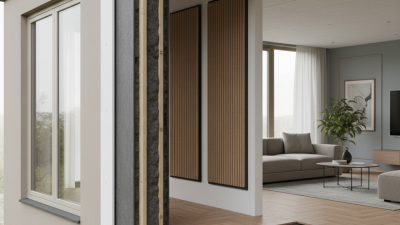
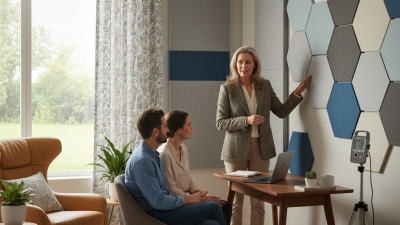
On the other hand, acoustic panels are designed to absorb sound rather than block it. They come in various shapes and sizes, making them versatile for different spaces. These panels can enhance the aesthetic of a room while improving sound quality. However, they may not be as effective in preventing sound travel between rooms. The installation of both MLV and acoustic panels can be straightforward. Some may choose to do a DIY approach, while others might require professional assistance.
In conclusion, choosing between MLV and acoustic panels depends on your specific needs. Assess the type of noise you experience. Consider the desired outcome: sound isolation or sound absorption. Each material has its drawbacks. MLV can be cumbersome, while acoustic panels may not stop all sound. Careful planning is essential to achieve the best results.
Top Soundproof Building Materials for Quiet Spaces
| Material Type |
Effectiveness (STC Rating) |
Installation Ease |
Cost per Square Foot |
Ideal Use Cases |
| Mass-Loaded Vinyl |
28-33 STC |
Moderate |
$2.00 - $3.00 |
Walls, Ceilings, Floors |
| Acoustic Panels |
15-30 STC |
Easy |
$1.00 - $2.50 |
Recording Studios, Home Theaters |
| Soundproof Drywall |
40-65 STC |
Moderate to Difficult |
$3.00 - $4.50 |
Homes, Commercial Spaces |
| Green Glue |
30-45 STC |
Easy |
$0.50 - $1.00 |
Layered Walls, Floors |
| Soundproof Insulation |
50-70 STC |
Moderate |
$1.50 - $2.50 |
Walls, Attics, Basements |
Effectiveness of Insulation Materials in Noise Reduction Ratings (NRR)
When considering noise reduction in buildings, understanding Noise Reduction Ratings (NRR) is crucial. NRR quantifies how well insulation materials can mitigate sound. The higher the NRR, the better the material can reduce noise. According to industry reports, materials like mineral wool and acoustic foam can achieve impressive NRR scores, often above 50. These materials are especially effective in residential and commercial spaces where sound pollution is a concern.
However, not all installations guarantee these high ratings. Factors such as gaps in insulation, or improper installation techniques can diminish soundproofing efficacy. Research has shown that improperly installed acoustic panels can lose up to 30% of their potential effectiveness. Furthermore, the combination of different materials can also influence overall performance. The interplay between insulation layers can lead to both enhancements and setbacks in noise control.
For example, a wall with a combination of mineral wool and resilient channels may perform better than a single material alone. Yet, one must also consider that certain materials, while rated highly, may have thermal properties that are less effective. Balancing sound and thermal insulation can be challenging. This complexity highlights the need for careful material selection based on specific building requirements and intended use.
Role of Resilient Channels in Minimizing Sound Transmission
Resilient channels play a crucial role in reducing sound transmission in buildings. They act as a decoupling mechanism between wall surfaces and framing structures. This minimizes vibrations that travel through materials, which can carry sound across spaces. By using these channels, you can significantly improve the acoustic quality of your environment.
When installing resilient channels, the structure must be carefully planned. It’s important to ensure proper spacing and alignment with the framing. Incorrect installation can lead to gaps that render the soundproofing ineffective. One common mistake is not fully compressing the channel against the drywall. This oversight can compromise sound isolation.
Incorporating resilient channels could be an investment in comfort. They are particularly beneficial in settings like studios or offices. However, they are not a standalone solution. Ideal soundproofing often involves multiple materials working in harmony. Understanding their limitations is essential for achieving the desired quietness in your space.
Evaluating the Performance of Double-Glazed Windows in Quiet Spaces
Double-glazed windows are a popular choice for soundproofing in residential and commercial spaces. Their layered design contains two panes of glass with a layer of air or gas in between. This structure significantly reduces sound transmission compared to single-pane windows. However, not all double-glazed windows are equally effective. The quality of materials and installation can play a huge role in their overall performance.
When evaluating double-glazed windows, it’s important to look beyond the basic features. The thickness of the glass and the type of gas used between the panes matter significantly. For instance, using argon gas instead of air can enhance insulation. Additionally, poor installation can lead to gaps that allow sound to penetrate. Even with high-quality materials, any imperfection in sealing can compromise the soundproofing effect.
Moreover, while these windows can reduce noise, they are not a perfect solution. Certain frequencies may still penetrate. Reflection and resonance might occur in some scenarios, limiting the overall sound reduction. Homeowners should consider complementary materials, like soundproof curtains or dedicated acoustic panels, to enhance quietness in their spaces. Each room's unique acoustics can also vary, necessitating a tailored approach to achieve the best results.