Top Interior Acoustic Panels for Global Buyers to Consider?
In the world of design and architecture, the use of Interior Acoustic Panels is on the rise. These panels enhance sound quality and aesthetics in various environments. Experts emphasize their critical role in spaces such as offices, music studios, and public venues. John Stevenson, a renowned acoustics consultant, once stated, “Properly designed acoustic panels can transform the sound experience in any room.”
Choosing the right Interior Acoustic Panels can be overwhelming. Numerous brands and types cater to various needs and preferences. A panel that works well in a small office may not suit a large auditorium. Designers must consider material, thickness, and aesthetic appeal. These factors can significantly influence sound absorption and overall design cohesion.
It’s important to evaluate each product critically. Surveys show that not all panels offer the same level of effectiveness. While many claim to be the best, the reality may differ. Finding the perfect fit requires both research and hands-on experience. The journey to improving sound quality through Interior Acoustic Panels isn’t without challenges, but it can yield remarkable results when chosen wisely.
Key Features to Look for in Interior Acoustic Panels
When choosing interior acoustic panels, several key features should guide your decision. Sound absorption is crucial. Look for panels that effectively minimize echo and reduce noise levels. Materials such as foam or fabric are often popular for this purpose. Their density and thickness can significantly affect performance.
Aesthetic appeal is also important. Acoustic panels come in various designs and colors. You want something that complements your space. Customization options can enhance both functionality and visual appeal.
Tips: Consider installation ease. Some panels come with adhesive backing, making setup straightforward. Be mindful of dimensions to match your room's size.
Durability is another factor. Some panels can wear out quickly, especially in high-traffic areas. Make sure to assess the longevity of the materials. This can save you time and hassle in the long run.
Investing in the right panels is worth it. Quality products can transform noisy spaces into serene environments. Weigh your options carefully before making a decision.
Types of Acoustic Panels and Their Applications in Various Spaces
When considering acoustic panels, it's essential to understand the various types and their suitable applications. Rectangular panels are common in offices, providing sound absorption while maintaining a sleek look. These panels help reduce echo, creating a more conducive work environment.
Circular panels, on the other hand, can add a unique aesthetic element to a space. They are often used in creative studios, balancing design and function.
For home theaters, bass traps are crucial. These panels are specifically designed to manage low-frequency sounds. They can significantly enhance audio quality, allowing for a more immersive viewing experience. However, their placement is vital. Improper positioning may lead to uneven sound distribution. Reflective panels can be beneficial in small cafes or restaurants. They enhance speech clarity, making conversations easier without compromising the ambiance.
While there are many options, the effectiveness of acoustic panels relies on understanding the specific needs of a space. Over time, users may find that certain types are less effective than expected. This realization encourages a deeper understanding of acoustics and how different materials interact in various environments. Choosing the right panel requires thoughtful consideration of overall design and intended use.
Top Brands and Manufacturers for Quality Acoustic Panels
When looking for high-quality acoustic panels, various brands and manufacturers stand out. These companies focus on sound absorption and aesthetic appeal. They use a range of materials, such as fabric-wrapped fiberglass and foam, to reduce noise effectively. The right choice can enhance the comfort of any space.
In the realm of interior design and acoustics, expertise is crucial. Many manufacturers offer not only products but also guidance on installation and acoustical design. This knowledge ensures that customers achieve optimal results. However, some consumers find the vast array of options overwhelming. Balancing budget and quality can be a challenge.
It’s essential to consider specific needs before making a selection. Factors like room size and existing decor can influence the effectiveness of the panels. Some buyers might not realize the impact of color and texture on their rooms. Ignoring these details could lead to subpar acoustic performance. By understanding these aspects, buyers can make informed decisions for better sound management.
Top Interior Acoustic Panels: A Comparative Analysis
This bar chart illustrates the average Noise Reduction Coefficient (NRC) ratings for different categories of acoustic panels. A higher NRC rating indicates better sound absorption capabilities, making it important for buyers in selecting quality products suitable for interior acoustic treatment.
Cost Considerations and Budgeting for Acoustic Panel Purchases
When considering acoustic panel purchases, cost is a critical factor. Industry reports indicate that prices can vary significantly based on material, thickness, and design. For example, basic foam panels can start as low as $10 per panel, while specialized soundproofing materials may exceed $100 each. This range can create confusion for buyers who aim to achieve optimal acoustic performance within a budget.
Budgeting effectively requires a clear understanding of both initial and long-term costs. Many panels offer specific sound absorption ratings. Investing in higher-quality panels may yield better results in noise reduction. Research shows that a well-designed acoustic treatment can reduce noise levels by up to 30%. However, buyers must assess if this investment aligns with their needs. Overlooking smaller applications may lead to ineffective sound control.
Additionally, installation costs should not be underestimated. Professional installation can add 20% to 50% to the total cost. DIY options may seem appealing but often result in errors and added expenses. A balance between quality and budget is essential, but it’s crucial to be aware of potential pitfalls in this process. A thorough evaluation of needs, coupled with a realistic budget, will lead to more satisfying results in the long term.
Top Interior Acoustic Panels for Global Buyers to Consider
| Acoustic Panel Type |
Material |
Size (inches) |
Cost per Panel (USD) |
Sound Absorption Coefficient (NRC) |
| Fabric Wrapped Panel |
Fabric over Mineral Wool |
24 x 48 |
$50 |
0.85 |
| Acoustic Foam Panels |
Polyurethane Foam |
12 x 12 |
$15 |
0.95 |
| Wood Panel |
Plywood with Perforations |
24 x 24 |
$80 |
0.70 |
| Polyester Panels |
Recycled Polyester |
48 x 48 |
$65 |
0.80 |
| Mineral Fiber Panels |
Mineral Fiber |
24 x 24 |
$30 |
0.60 |
Installation Tips and Maintenance for Optimal Acoustic Performance
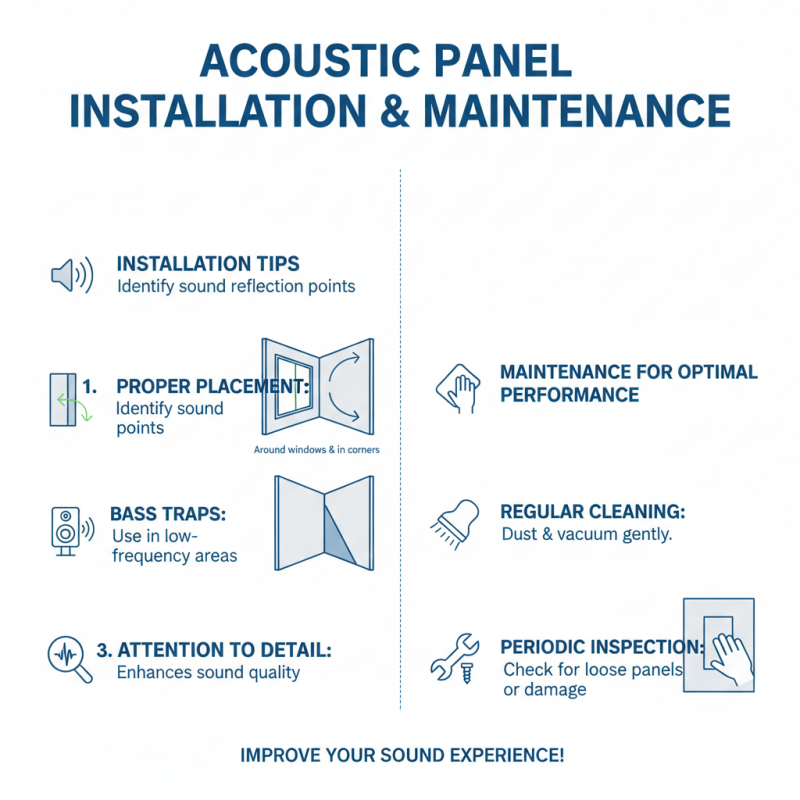
When it comes to installing interior acoustic panels, proper placement is crucial. These panels should be positioned to address sound reflection points. Typically, this includes areas around windows and corners. Use bass traps in low-frequency areas to enhance sound absorption. Attention to detail can make a noticeable difference in overall sound quality.
Regular maintenance is essential for the longevity and performance of acoustic panels. Dust can accumulate over time, impacting their efficacy. A simple microfiber cloth can effectively clean the surfaces. Check for any signs of wear and tear periodically. If panels appear damaged, consider replacing them to maintain optimal sound performance.
Take the time to evaluate your environment after installation. Sometimes, the desired sound may not be achieved immediately. Listen closely and make adjustments as necessary. Experimenting with the arrangement of furniture and the distance between panels can yield significant improvements. Reflection and absorption should be balanced for the best results.