Best Gymnasium Acoustic Panels for Sound Control Solutions?
In today's world, acoustic management is crucial in gymnasiums. The noise generated during activities can lead to distractions and reduced performance. A recent report by the Acoustic Society noted that gymnasiums often suffer from reverberation, impacting sound clarity. For effective control, Gymnasium Acoustic Panels are essential.
Dr. Sarah Thompson, an acoustics expert, stated, "Implementing quality acoustic panels is key to enhancing the auditory experience in sports environments." Her insights underscore the importance of sound control in these spaces. The right panels can significantly improve communication, which is vital in team sports.
Quality Gymnasium Acoustic Panels not only reduce noise but also enhance overall functionality. However, not all panels are created equal. Selecting the wrong type can lead to unsatisfactory results. Engaging with experienced professionals can help in making informed choices, ensuring effective sound management in gymnasiums.
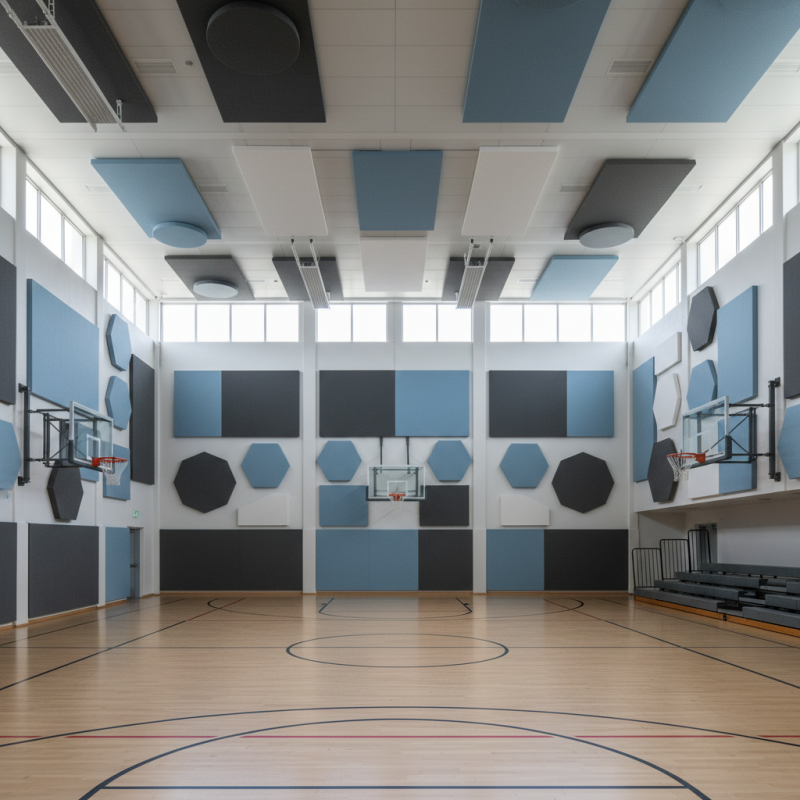
Types of Acoustic Panels Suitable for Gymnasiums
When considering the best acoustic panels for gymnasiums, it's essential to focus on the types that effectively manage sound. Gymnasiums often serve multiple functions, from sports to events. This versatility can create unique sound challenges.
Foam panels, for instance, are lightweight and easily installed. They absorb sound well and reduce echo, enhancing the auditory experience.
Fabric-wrapped fiberglass panels are another excellent option. These panels provide high sound absorption and can be customized in design. They add a professional touch while improving sound quality. Keep in mind the need for a balance between aesthetics and functionality when choosing panels.
Tips: Test different materials before making a decision. Consider the size of your gymnasium. Larger spaces may require thicker panels for better sound control. Regular maintenance of panels can also enhance their efficiency. Dust and moisture can affect performance, so keep them clean.
Key Considerations for Choosing Gymnasium Acoustic Panels
When selecting gymnasium acoustic panels, a few key considerations can make a significant difference in sound management. First, you should assess the size and shape of your gymnasium. Spaces with high ceilings may require different treatments compared to those with lower ceilings. According to the Acoustical Society of America, sound waves can behave differently depending on these dimensions, influencing reverberation times. Ideally, panels should target areas where sound reflects, creating a more balanced auditory environment.
Material choice also plays a crucial role. Look for panels made from porous materials, as they tend to absorb sound better than rigid surfaces. Studies show that foam and fabric-covered panels are effective options. They can reduce noise levels significantly, often by 20-30%. However, it’s essential to consider durability, especially in a gym environment. High traffic can lead to wear and tear on aesthetic finishes, requiring maintenance or eventual replacement.
Lastly, consider the aesthetic aspect of your acoustic panels. Gymnasiums often strive for an inspiring atmosphere. While functionality is paramount, incorporating design elements that resonate with athletes and spectators enhances the space. This balance can be difficult to achieve but is crucial for long-term satisfaction. Engaging with acoustic professionals can provide valuable insights tailored to your specific gymnasium needs.
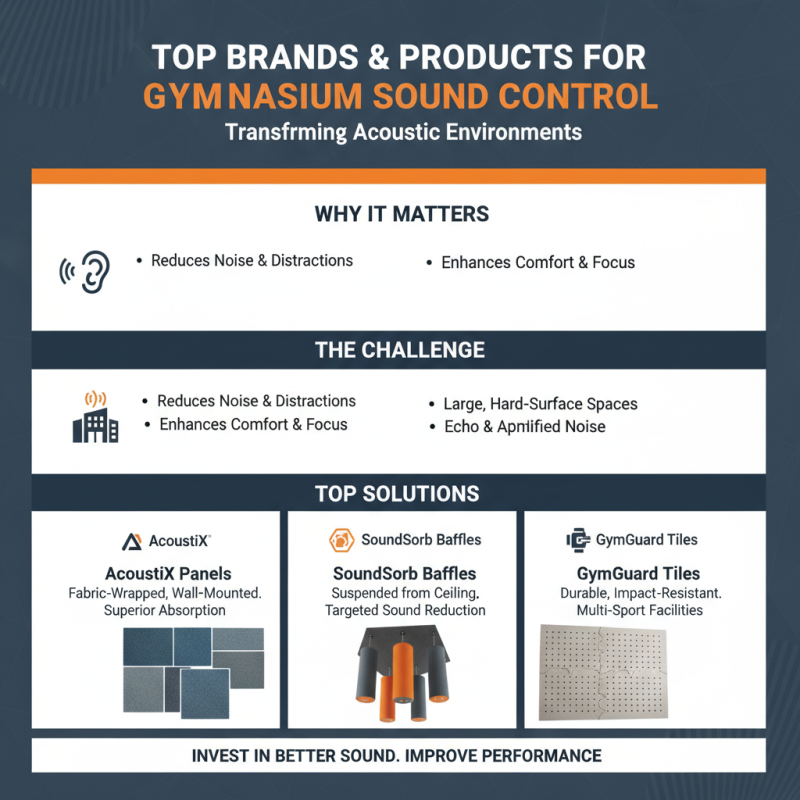
Top Brands and Products for Gymnasium Sound Control
When it comes to gymnasiums, sound control is essential. The right acoustic panels can significantly enhance the auditory experience. Gymnasiums are often large spaces filled with hard surfaces that amplify noise. This can lead to distractions and discomfort during activities. Investing in effective sound control solutions can transform these environments.
There are various types of acoustic panels available, and choosing the right ones can be challenging. Look for panels that are both effective and visually appealing. They should ideally blend with the gym's aesthetic. Many products come in different colors and textures, allowing for personalization. However, not every panel is perfect. Some may absorb sound inadequately or wear out over time. It's important to research materials and their durability to ensure longevity.
Installation is another critical factor to consider. Improperly installed panels can lead to poor performance. Many gym owners overlook this detail. Seeking professional help can ensure panels are placed in optimal locations for maximum sound absorption. While it might seem straightforward, sound control requires thoughtful planning and execution. Before settling on a particular product, weigh the pros and cons carefully.
Installation Tips for Effective Acoustic Panel Placement
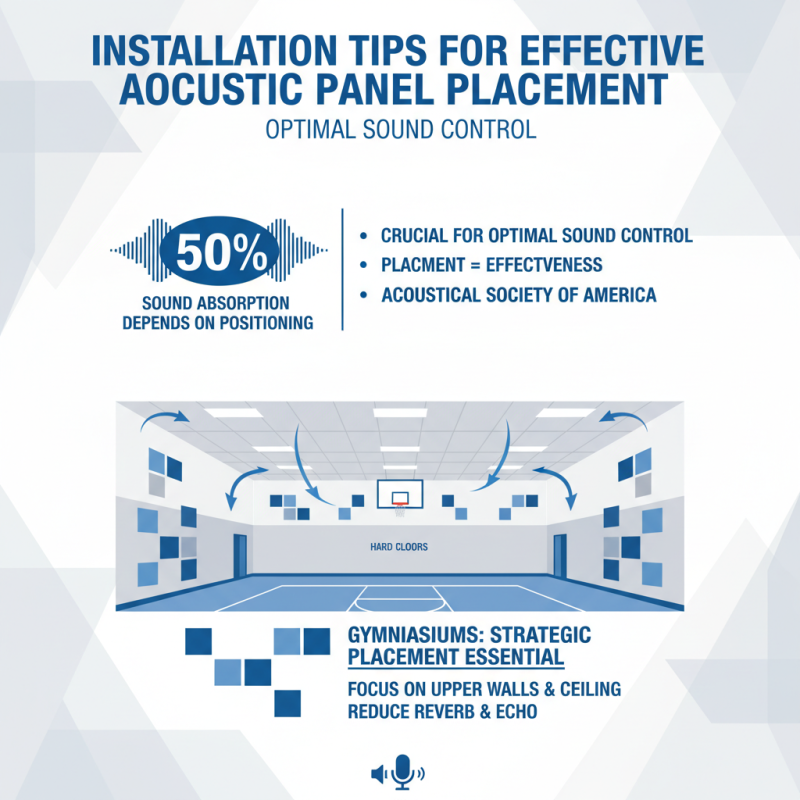
Installing acoustic panels correctly is crucial for optimal sound control. Placement significantly influences their effectiveness. According to the Acoustical Society of America, around 50% of sound absorption depends on panel positioning. For gymnasiums, where sound can bounce off hard surfaces, strategic placement becomes essential.
Start by identifying reflection points, areas where sound waves hit first. Place panels at these spots to minimize echoes. Typically, this involves mounting panels on walls opposite each other. A common mistake is neglecting the ceiling. Hanging panels there can further improve sound quality. Research shows that adding ceiling panels can increase sound absorption by up to 30%.
It's also important to avoid overcrowding panels. A balanced approach can yield better results. While it’s tempting to cover every surface, leaving some areas unpanels allows for a more natural sound environment. Experts recommend at least 20% of wall space should be left uncovered. This practice enhances clarity and keeps the space feeling open. Attention to these details can greatly impact acoustic performance in a gym setting.
Maintenance and Care for Acoustic Panels in Gyms
Acoustic panels play a vital role in gyms. They help control sound, creating a better environment for workouts. However, proper maintenance is often overlooked. Frequent cleaning ensures that panels perform well and last longer. Dust and sweat can accumulate, affecting their effectiveness.
Wipe panels with a damp cloth regularly. This simple step removes moisture and dirt. For deeper cleaning, use a mild detergent. Avoid harsh chemicals that can damage the panels. Inspect them for signs of wear. Holes or tears can reduce sound absorption. Repair or replace damaged panels promptly.
Sometimes, gym owners neglect the need for maintenance. This can lead to poor sound quality over time. Regular upkeep enhances user experience. It’s essential to create a space that motivates and inspires athletes. Reflecting on maintenance practices can lead to significant improvements in gym acoustics.
Best Gymnasium Acoustic Panels for Sound Control Solutions
| Panel Type |
Material |
Thickness (inches) |
NRC Rating |
Weight (lbs per panel) |
Care Instructions |
| Foam Panels |
Polyurethane Foam |
2 |
0.95 |
1.2 |
Spot clean with mild detergent |
| Fiberglass Panels |
Glass Fiber |
1 |
0.85 |
2.0 |
Vacuum or dust regularly; avoid moisture |
| Fabric Wrapped Panels |
Polyester Fiber |
2 |
0.90 |
1.5 |
Machine wash removable covers; air dry |
| Wooden Panels |
MDF or Plywood |
0.75 |
0.80 |
3.0 |
Wipe with a damp cloth; avoid excessive moisture |