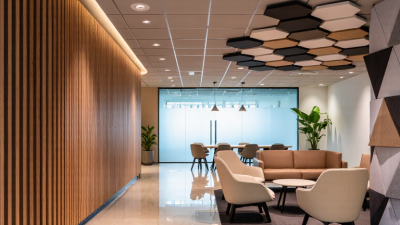

Why Choose a Panel Acoustic Wall for Better Sound Control?

A Panel Acoustic Wall can make a room easier to use by reducing reflected sound and limiting distracting echoes. In a meeting room, that may mean clearer speech across the table. In a studio, it can help recordings sound less colored by the room. The result depends on the panel’s construction, placement, and the space itself. One wall treatment cannot fix every acoustic problem.

Acoustics researcher Professor Trevor Cox has written about how room acoustics shape what listeners hear. A practical takeaway from his work is simple: the room matters. This is a paraphrase, not a direct quotation. When choosing a Panel Acoustic Wall, consider the sound source, the room’s dimensions, and the surfaces that reflect sound. A hard floor and bare glass may still create noticeable reflections, even after panels are installed. Small details count.

There is no universal panel specification. Fabric finish, core material, thickness, and mounting distance can all affect performance. Ask for tested absorption data, such as ratings measured under recognized laboratory methods, and check whether those results suit your room. Also consider cleaning, durability, and installation access. A panel may look right but perform differently in a crowded space. That deserves a second look. Good sound control is usually a measured design choice, not a quick decorative fix.
Why Choose a Panel Acoustic Wall for Better Sound Control?

What Is a Panel Acoustic Wall?

A panel acoustic wall is an interior surface treatment designed to absorb sound reflections. It is not necessarily a soundproof partition. Typical systems use porous cores, such as mineral fiber, covered with fabric or perforated panels. Sound enters the surface, loses energy within the material, and returns less strongly to the room. The result can be clearer speech and less distracting echo. Not silence.

Performance depends on panel thickness, spacing, coverage, and room geometry. The Noise Reduction Coefficient, measured under ASTM C423, summarizes absorption across key speech frequencies. It does not measure how much sound passes through a wall. That distinction is easy to miss. A panel can calm a lively meeting room yet do little to stop noise from the next room.

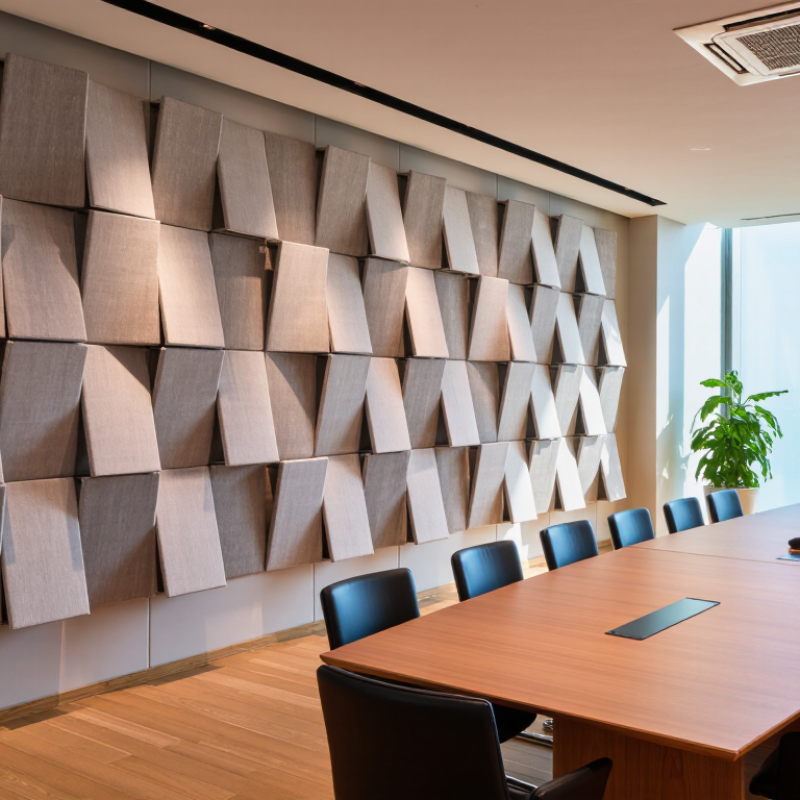
For context, ANSI/ASA S12.60-2010/Part 1 sets a maximum reverberation time of 0.6 seconds for qualifying, unoccupied classrooms up to 10,000 cubic feet. This is a room-acoustics benchmark, not a guarantee that panels alone will meet it. A practical assessment starts with the room’s size, hard surfaces, and noise sources. A glass meeting room may need ceiling treatment as well as wall panels. The first panel layout is rarely perfect; listening and measuring after installation can reveal gaps.

Why Choose a Panel Acoustic Wall for Better Sound Control?

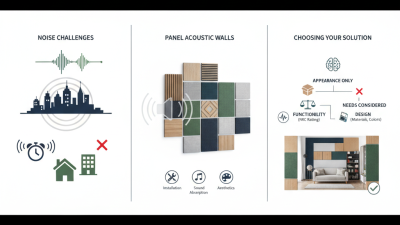
What Is a Panel Acoustic Wall? It is a wall system with sound-absorbing panels designed to reduce reflected sound and reverberation.

Noise Reduction Coefficient (NRC) indicates how much sound a material absorbs, on a scale from 0 to 1. These approximate example values are representative, not guarantees: actual performance depends on the product, thickness, mounting, and test conditions. Check tested specifications for a specific panel.

How Panel Acoustic Walls Control Sound

A panel acoustic wall controls sound by absorbing reflections, not by making a room completely soundproof. Its porous face lets sound enter; fibers inside convert some acoustic energy into heat. Less reflected sound can mean clearer speech and less reverberation. The effect depends on panel thickness, material, air gap, and the sound’s frequency. Low bass is harder to absorb than speech-range sound.

The distinction matters. The European Environment Agency’s 2020 Environmental Noise in Europe report estimated that 22 million people experienced high annoyance from transport noise across Europe. Indoor panels cannot solve every outside-noise problem. They mainly improve room acoustics; blocking sound between rooms also requires attention to wall mass, gaps, doors, and flanking paths. A small unsealed opening can undermine an otherwise substantial barrier.

For practical selection, check absorption test data, such as results measured under ASTM C423, rather than relying on appearance alone. NRC summarizes absorption across several speech-relevant frequencies, but it does not describe sound insulation. Place panels where reflections are strong: opposite a speaker, along a bare side wall, or near a hard meeting-room table. Then listen again. It may still feel imperfect. Furniture, occupancy, and ceiling height change the result, so measured room performance matters more than a rating on its own.

Key Materials and Structural Features

Why Choose a Panel Acoustic Wall for Better Sound Control?

Key Materials and Structural Features

A panel acoustic wall controls sound through absorption, spacing, and careful surface design. Its core often uses mineral wool or recycled polyester fiber. These materials trap sound energy inside their open, porous structure. A fabric covering protects the core while allowing sound to pass through. Perforated wood panels add durability and a warmer visual texture. However, solid wood alone reflects sound rather than absorbing it.

The wall’s structure matters just as much as its materials. An air gap behind each panel can improve low-frequency absorption. A strong frame keeps panels aligned and reduces unwanted movement. Tight joints prevent sound from leaking through visible gaps. In real installations, uneven walls can create small performance differences. That detail is easy to overlook.

Benefits Across Different Indoor Environments

Why Choose a Panel Acoustic Wall for Better Sound Control?

In a busy office, a panel acoustic wall can reduce reflected speech and soften distracting background noise. Sound-absorbing panels work by converting part of sound energy into small amounts of heat. This helps control reverberation, especially in rooms with glass, concrete, and hard flooring. Speech becomes easier to follow during meetings. Noise travels.

In open-plan workplaces, panels can define quieter zones without building permanent partitions. In classrooms, they may reduce echo and help students hear instructions more clearly. Restaurants benefit from calmer conversations, even during crowded lunch periods. In healthcare settings, controlled acoustics can support privacy and reduce stress near reception areas. Each environment needs a different balance of absorption, coverage, and placement.

I have seen panels perform well when installed near strong reflection points, such as large side walls. A random layout may look attractive but deliver weaker results. It is not magic. Room size, ceiling height, furniture, and noise sources still matter. Professional acoustic measurements, including reverberation-time testing, can guide better decisions. Panels can also absorb too much sound in some small rooms, making speech feel unusually flat. That possibility deserves attention before installation.

How to Select and Install the Right Panel System

Selecting an acoustic wall panel starts with the room’s actual problem. Is speech bouncing, machinery humming, or sound escaping? A panel reduces reflections, but it does not create true sound isolation. ASTM C423 measures absorption through the Noise Reduction Coefficient, or NRC. Use certified test data, not a broad marketing claim.

The World Health Organization’s 2018 Environmental Noise Guidelines recommend indoor night-time levels below 30 dB(A) for bedrooms. That target is demanding. In offices, ANSI/ASA S12.60 identifies 35 dBA background noise and 0.6 seconds of reverberation as useful classroom benchmarks. These figures help define a practical specification. For a lively meeting room, choose thicker, porous panels with strong mid-frequency absorption. Place them near speech zones and on opposing reflective surfaces. A ceiling cloud may be necessary when walls alone leave the room sharp and tiring.

Installation needs equal care. Leave the tested air gap behind the panel when the system requires it. That space can improve low-frequency absorption. Fasteners must suit the wall structure, while fire performance should match local code requirements. I usually map reflections with a hand clap, then verify the result using speech testing or professional measurements. The first layout is rarely perfect. Panels placed only behind a desk may look attractive but leave the rear wall highly reflective. Recheck door gaps, glazing, and ventilation noise before adding more material.

Why Choose a Panel Acoustic Wall for Better Sound Control? - How to Select and Install the Right Panel System
Panel System Typical Absorption Performance Common Thickness Suitable Applications Installation Approach Selection Considerations
Fabric-wrapped fiberglass or mineral-fiber panels Often NRC 0.80–1.00, depending on thickness, facing, mounting, and test configuration 25–50 mm (1–2 in) Offices, classrooms, meeting rooms, and studios where speech clarity is important Mount directly to the wall or use a small air gap; follow the panel maker’s specified fixing method Choose a durable, cleanable fabric and confirm that the panel core and edge details meet local fire and safety requirements
PET-felt panels Commonly NRC 0.50–0.90; performance varies with panel thickness, pattern, and air gap 9–25 mm (about ⅜–1 in) Offices, shared work areas, corridors, and spaces needing lightweight or decorative treatment Attach with compatible mechanical fasteners or approved adhesive; use a level to keep panel layouts aligned Check the tested acoustic rating for the exact product and mounting method; thin decorative panels may absorb less sound
Perforated wood panels with an absorptive backing Often NRC 0.60–0.90, depending on perforation, backing, cavity depth, and tested assembly Typically 12–25 mm facing with an absorptive layer behind Auditoriums, conference rooms, libraries, and interiors requiring a timber finish Install on a level batten or framing system, leaving the designed cavity and keeping joints consistent Review the full wall assembly rather than the facing alone; perforation size and open area affect acoustic performance
Perforated metal panels with acoustic infill Often NRC 0.70–1.00 when designed with suitable porous infill and a tested cavity Varies by system; commonly 25–50 mm overall Transport hubs, gyms, public buildings, and other areas needing a robust finish Use the specified support rails or clips; protect the infill and avoid blocking perforations during installation Confirm impact, corrosion, cleanability, fire, and access requirements for the room’s operating conditions
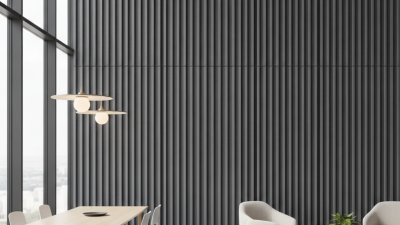
Slatted acoustic panels with absorptive backing Performance depends on slat spacing, backing, cavity depth, and the complete tested assembly Usually 15–25 mm slats over an absorptive backing layer Reception areas, offices, restaurants, and rooms where a linear architectural finish is desired Fix to framing or battens, keeping the backing continuous and maintaining the specified spacing between slats Check whether the published rating applies to the selected slat layout and backing; decorative slats alone are not equivalent to an absorptive system
Room assessment before selection Set a target based on measured or estimated reverberation and the room’s intended use Not applicable Any room with excessive reverberation, speech problems, or uncomfortable reflected sound Identify reflective surfaces, noise sources, seating or work areas, and available wall space before planning coverage Wall panels reduce reflections and reverberation; they do not by themselves provide sound isolation between rooms
Installation and verification Use the rating for the complete panel-and-mounting assembly as a comparison guide Follow the selected system’s specifications All panel installations Check wall condition, locate services, mark a level layout, use suitable fixings, and follow required clearances For heavy panels or uncertain wall substrates, consult a qualified installer; verify performance expectations after installation
Rating note: NRC values are typical reference ranges, not guarantees. Actual results depend on the exact product, mounting method, room conditions, and test standard. Use published test data for the specific panel system when making a final selection.
Write your message here and send it to us.