Top Benefits of Fluted Acoustic Panels for Your Space?
Fluted Acoustic Panels have become essential in modern interior design. They enhance both aesthetics and sound quality in various settings. According to a recent report from the Acoustics Association, nearly 67% of designers prioritize acoustic quality in their projects. This trend highlights the growing recognition of the role sound plays in our environments.
Industry expert Dr. Emily Harmon states, "Fluted Acoustic Panels not only absorb sound; they transform spaces into more comfortable environments." Her insights reflect a significant shift in design philosophy. Clients now demand solutions that blend form with function, and fluted panels meet this challenge. Their unique texture and design allow for better sound absorption, making them a top choice for offices and homes alike.
Incorporating Fluted Acoustic Panels can reduce echo and improve speech clarity. However, selection should not be solely based on aesthetics. It’s vital to consider the specific acoustic needs of each space. Investing in quality panels pays off, but not all products offer the same performance. Thus, careful evaluation is needed to achieve ideal results.
Understanding Acoustic Panels and Their Importance in Interior Design
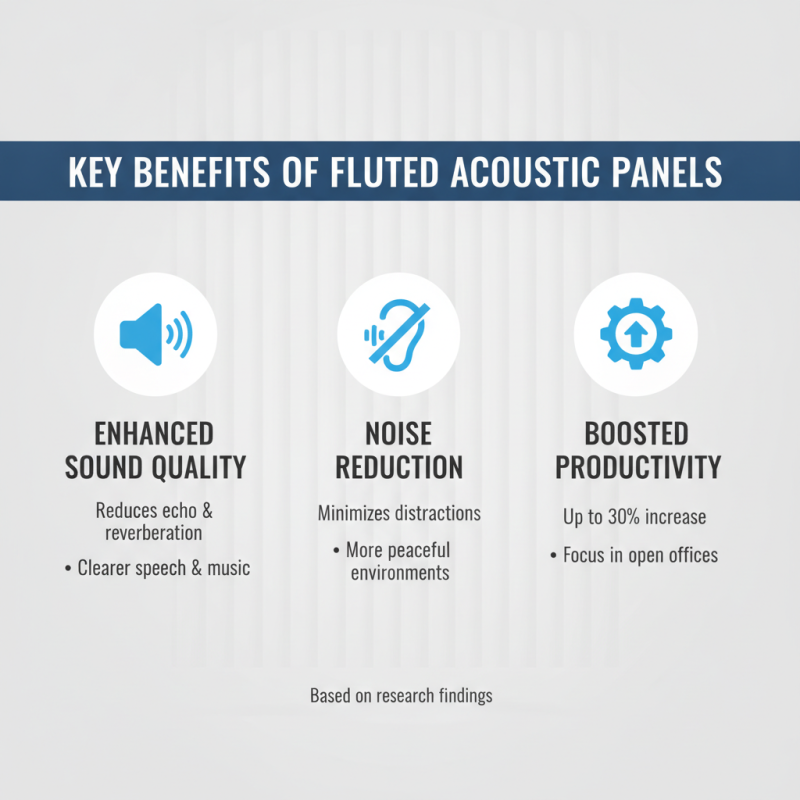
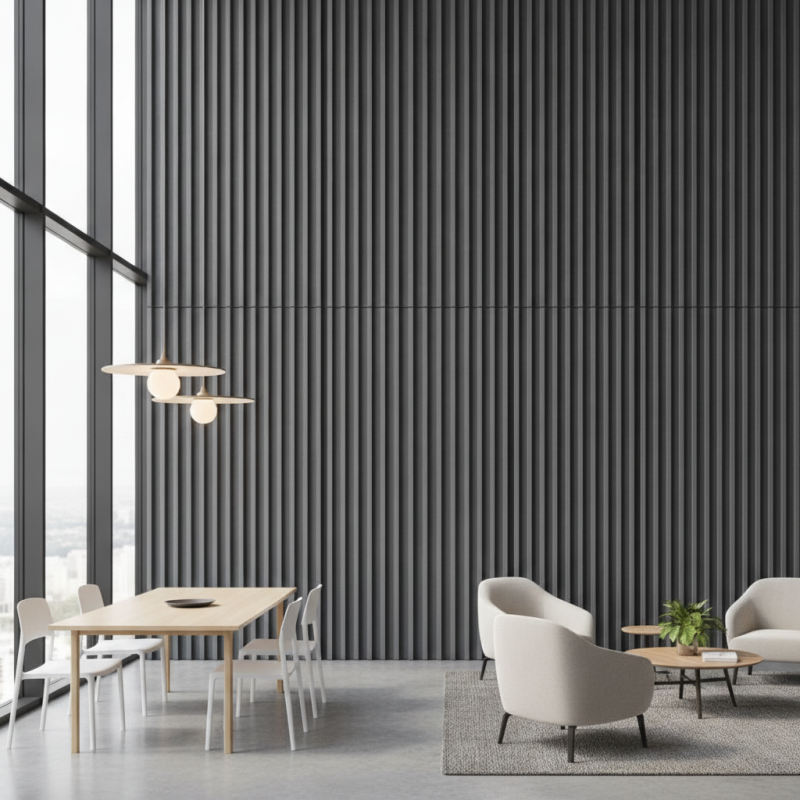
Acoustic panels play a crucial role in interior design. They improve sound quality and create a comfortable environment. In many settings, sound can be distracting and unpleasant. Fluted acoustic panels are particularly effective. Their unique design enhances sound diffusion, making spaces feel more alive and engaging.
Research shows that noise can negatively impact productivity. According to a report from the World Health Organization, excessive noise levels can lead to stress and reduced work efficiency. In an office environment, acoustic panels can reduce noise distractions by up to 50%. This improvement can significantly enhance employee focus and satisfaction.
The aesthetic aspect of fluted acoustic panels also cannot be ignored. These panels come in various colors and finishes, allowing for creative designs. However, not all panels perform equally. A poorly constructed panel may fail to absorb sound effectively. It’s essential to choose products that combine both form and function. Investing in high-quality materials can often yield better results.
What Are Fluted Acoustic Panels and How Do They Work?
Fluted acoustic panels are innovative materials designed to enhance sound quality in various environments. They feature a ribbed or fluted surface, which increases their surface area. This design helps in scattering sound waves, reducing echoes, and improving overall acoustics in rooms. Many industries are adopting these panels to offer better auditory experiences.
The working mechanism of fluted acoustic panels revolves around sound absorption and diffusion. Sound waves hit the textured surface and are absorbed into the material, effectively minimizing noise. In residential spaces like living rooms or home theaters, these panels can create a warmer sound environment. Their aesthetic appeal adds style, making them suitable for offices or creative spaces as well.
However, their installation requires careful planning. Simply placing panels on walls may not yield desired results. Professionals often recommend strategic placement to maximize effectiveness. While fluted panels offer visual and auditory benefits, they may pose challenges in terms of maintenance. Dust accumulation is common, necessitating regular cleaning. The balance between beauty and practicality must be considered.
Key Benefits of Using Fluted Acoustic Panels in Various Environments
Fluted acoustic panels offer a range of benefits in diverse settings. These panels enhance sound quality and reduce noise pollution. Research indicates that environments with effective acoustic treatment can boost productivity by up to 30%. This is particularly valuable in open office spaces, where distractions can hinder work efficiency.
In educational settings, fluted panels create better learning environments. A study found that improved acoustics significantly enhance student concentration levels. Schools that invest in such solutions report increased student engagement. Additionally, these panels are aesthetically pleasing. Many designs complement modern architecture, making them suitable for restaurants, theaters, and conference rooms.
However, it's essential to consider the installation process. Improper setup can lead to inadequate sound absorption. Not all fluted panels perform equally in different environments. Conducting a proper assessment of the space is crucial. Balancing aesthetics with functionality can be challenging. By carefully evaluating needs, you can maximize the benefits of fluted acoustic panels.
Design Aesthetics: Enhancing Spaces with Fluted Acoustic Panels
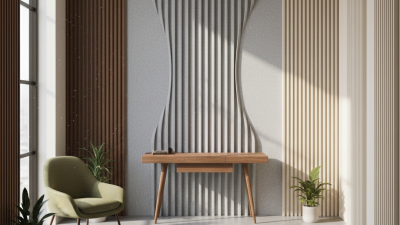
Fluted acoustic panels are more than just sound absorbers; they transform spaces with their unique design. Their dimensional grooves create visual interest and elevate aesthetics. These panels come in various materials, allowing for creative combinations that match different decor styles. They can add a modern touch to offices or a rustic feel to dining areas.
Regarding installation, their patterns can dramatically change the mood of a room. Consider a home theater; fluted panels can enhance the drama and intimacy of the space. Their versatility allows them to be used on walls or ceilings, making them ideal for any room layout. It’s essential to choose colors and materials that resonate with your personal style and the overall theme of the space.
However, it is crucial to reflect on how these panels interact with existing decor. Sometimes, they may disrupt a previously cohesive look. Testing various configurations can lead to unexpected challenges. Ultimately, embracing the unconventional nature of fluted acoustic panels can yield stunning results. Properly utilized, they can seamlessly blend functionality with aesthetic appeal.
Top Benefits of Fluted Acoustic Panels for Your Space
This bar chart illustrates the top benefits of fluted acoustic panels in various spaces, highlighting sound absorption, aesthetic appeal, ease of installation, durability, and eco-friendliness as key factors contributing to their popularity.
Installation Tips and Considerations for Optimal Acoustic Performance
When considering fluted acoustic panels, installation plays a vital role in achieving optimal acoustic performance. Poor installation can negate their benefits. According to a study by the Acoustical Society of America, improperly installed acoustic treatments can lead to an increase in reverberation time by up to 30%. It's crucial to follow manufacturer guidelines closely.
Positioning is key. These panels should be strategically placed on walls and ceilings to maximize sound absorption. Spaces with high ceilings may require more panels to combat excess echo. The National Institute of Standards and Technology recommends placing panels four to six feet apart in larger areas. This spacing allows for even sound distribution while minimizing disruptive noise.
Sound reflections can also affect the panels' effectiveness. Testing the area beforehand, using a sound level meter, can provide insights into the specific acoustic challenges. Reflective surfaces nearby may require additional treatment. The quality of adhesive used is equally essential. High-strength glue or mounting hardware can prevent sagging over time, ensuring longevity and consistent performance.
The installation process requires attention and might invoke adjustments after testing, reflecting the trial-and-error nature of achieving perfect acoustics in any given space.