Top Tips for Choosing Gymnasium Acoustic Panels for Optimal Sound
When setting up a gymnasium, one often overlooks sound quality. However, achieving optimal acoustics is essential. Gymnasium Acoustic Panels can make a significant difference. Poor acoustics can lead to distractions and even hinder performance. You want a space where athletes can focus and coaches can communicate effectively.
Choosing the right Gymnasium Acoustic Panels involves understanding your specific needs. Not all panels are created equal, and factors like material and placement matter. For instance, a densely populated gym may require more robust sound absorption. Sometimes, budget constraints can lead to compromises, which may not serve well in the long run. Reflect on your choices carefully.
Investing in quality Gymnasium Acoustic Panels can elevate the overall environment. Sound clarity impacts training sessions and competitions. A well-designed acoustic solution fosters an engaging atmosphere. You may find many options available, but prioritize features that enhance functionality. Ultimately, your choice should reflect a balance of effectiveness and aesthetics.
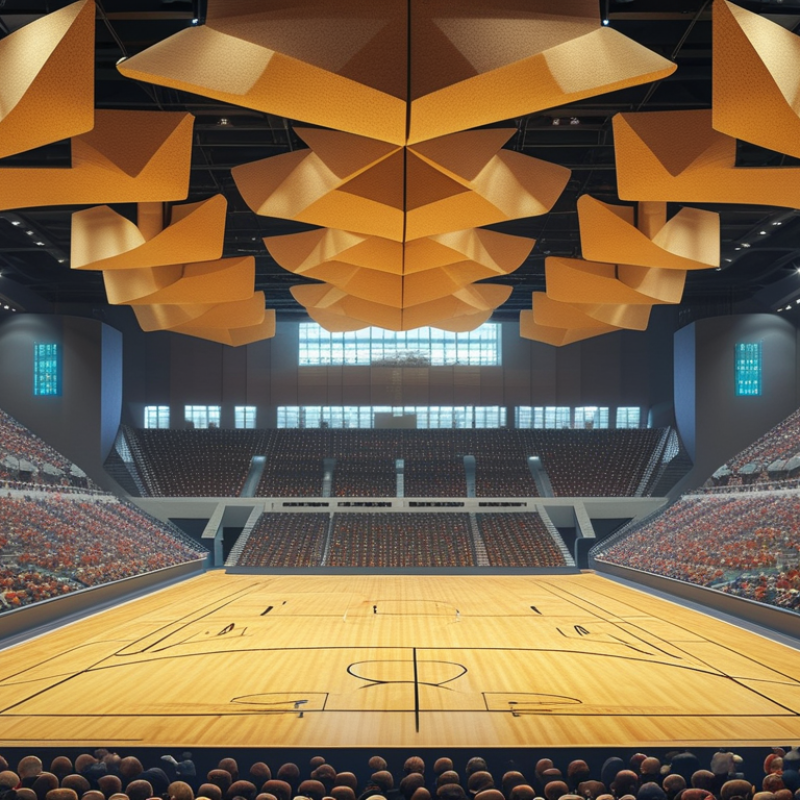
Understanding the Importance of Acoustic Panels in Gymnasiums
Acoustic panels play a vital role in gymnasiums, affecting both sound quality and overall user experience. Studies show that poorly managed acoustics can create environments that hinder communication and focus. In fact, research indicates that reducing noise levels can boost overall performance by up to 15%. Thus, understanding the significance of choosing the right acoustic panels is crucial.
Selecting appropriate panels involves considering material density and placement. Soft materials like fabric wrapped panels absorb sound waves, minimizing echo. Hard surfaces, however, can exacerbate noise issues. Gymnasiums require panels that both absorb and diffuse sound effectively. Aim for panels that provide a balanced acoustic profile, as this fosters an optimal training atmosphere.
Consider installation height and positioning. Placing panels too high or too low can compromise their effectiveness. Engaging a sound engineer can help ensure proper placement. If you're covering large areas, focus on high-traffic zones first. This strategic approach will enhance the overall sound quality while also improving user satisfaction.
Key Factors to Consider When Selecting Acoustic Panels for Your Gym
When selecting acoustic panels for your gym, start by considering the room's size. Large gyms often require thicker panels to absorb sound effectively. Thinner panels may suffice in smaller spaces. Customizing panel thickness can refine sound quality. You should think about layout as well. Placing panels strategically can enhance overall acoustics.
Material choice is critical. Some panels offer better sound absorption than others. Look for materials designed specifically for noise reduction. Organic or recycled materials can also be effective. They are environmentally friendly and often boast high-performance ratings.
Installation plays a crucial role, too. It can make or break the sound quality in your gym. Improper installation may lead to poor performance of the panels. Seeking professional help can save you from future headaches. However, if you choose to do it yourself, careful measurements are a must.
Finally, aesthetic appeal shouldn't be ignored. Panels come in various designs and colors. They should complement your gym's overall look while providing optimal function. Balancing appearance and acoustics can be challenging, but it is vital for creating an inviting environment.
Types of Acoustic Panels Suitable for Gymnasium Environments
Choosing the right acoustic panels for gymnasiums involves understanding various types. Soft fabric panels are a popular choice. They absorb sound effectively and reduce echoes. According to a report by the Acoustical Society of America, soft panels can reduce reverberation time by up to 50%. This improvement enhances communication and clarity during athletic events.
Foam panels are another viable option. They are lightweight and easy to install. However, foam panels may not absorb lower frequencies well. A study noted that while they help in reducing high-frequency noise, they are less effective in bass control. Gym managers should consider the full sound spectrum when selecting materials.
Wooden acoustic panels offer aesthetic appeal. They blend well with sports facilities' environments. These panels can be designed to absorb sound while maintaining the gym's open feel. Yet, they often require professional installation, which can increase expenses. Balancing cost with performance is essential in this decision-making process.
Evaluating the Effectiveness of Acoustic Panels: Materials and Design
When selecting acoustic panels for gymnasiums, consider material effectiveness and design intricacies. The right materials can significantly reduce noise levels and enhance sound quality. Research shows that foam panels may reduce noise by 30-50%, improving overall auditory experience. For gyms, fabric-wrapped fiberglass panels often provide a balanced combination of efficiency and aesthetics.
Choosing panels with appropriate density is crucial. High-density panels better absorb sound waves. Look for absorption coefficients to gauge performance. Many panels rate between 0.30 to 0.95, indicating their sound-absorbing capabilities. Installation matters too; mounting angles can affect sound diffusion.
Tips for selection:
1. Select panels based on gym activities. Different sessions require varied acoustic needs.
2. Consider textures and colors for a cohesive look.
3. Evaluate sustainability; eco-friendly materials can be both effective and ethical.
While aesthetics are important, do not overlook functionality. The dimensions and layout of your gym can affect sound distribution. Experimenting with panel placement may be necessary, as imperfect setups can lead to unexpected echo and noise problems. Analyzing real user feedback can guide decisions toward optimal solutions.
Effectiveness of Different Acoustic Panel Materials in Gymnasiums
Installation Tips for Maximizing Acoustic Panel Performance in Gyms
When selecting acoustic panels for gyms, proper installation is crucial for achieving optimal sound quality. Many gyms struggle with sound issues, leading to distractions that hinder workout performances. According to a report from the National Academy of Sports Medicine, properly installed acoustic panels can reduce noise levels by up to 30%.
To maximize panel performance, consider the layout of your gym space. Place panels at ear level when people are exercising. This positioning enhances sound absorption where it’s most needed. Additionally, focus on corners and wall intersections, as these areas often amplify sound. Use a mix of panel types to address different frequencies. Combining absorption and diffusion panels can yield better results.
Always validate your space before installation. Check for existing sound issues alongside the panel placements. Each gym may have unique acoustical challenges. Regular maintenance, including cleaning panels, ensures long-term effectiveness. Growth in gym attendance can lead to increased noise, so periodic assessments are essential. Proper installation goes beyond just hanging panels; it’s about creating a balanced auditory atmosphere that enhances the workout experience.
Top Tips for Choosing Gymnasium Acoustic Panels for Optimal Sound
| Acoustic Panel Type |
Material |
Thickness (inches) |
Noise Reduction Coefficient (NRC) |
Ideal Placement |
| Foam Panels |
Polyurethane Foam |
2 |
0.80 |
Walls and Ceilings |
| Fabric-Wrapped Panels |
Mineral Fiber |
1 |
0.85 |
High Traffic Areas |
| Wood Panels |
Engineered Wood |
1.5 |
0.75 |
Acoustic Treatment Zones |
| Perforated Panels |
Gypsum Board |
0.75 |
0.90 |
Ceilings and Walls |
| Diffusion Panels |
Wood or Plastic |
3 |
0.70 |
Corner and Back Walls |