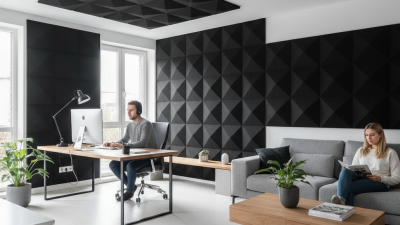
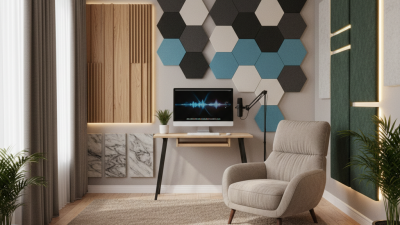
How to Choose the Best Black Acoustic Wall Panels for Your Space?
Selecting the right Black Acoustic Wall Panels for your space can significantly enhance acoustics and aesthetics. According to a recent market report by Grand View Research, the global acoustic panel market is expected to reach $2.5 billion by 2027. Thus, choosing the right product is crucial for creating comfortable environments in homes, offices, and studios.
Black Acoustic Wall Panels offer a sleek look while effectively reducing noise. Many factors contribute to their effectiveness, like material, density, and design. Recent studies show that poorly designed spaces can lead to a 20% drop in productivity due to noise distractions. Reflecting on your specific needs is vital. Not all panels perform the same in different environments.
Even with technical specifications in mind, personal preferences play a crucial role. The aesthetic appeal can sometimes overshadow functionality. Make careful observations on colors and textures. Research suggests that while aesthetics matters, product performance should not be compromised. Balancing these aspects results in a harmonious and productive space.
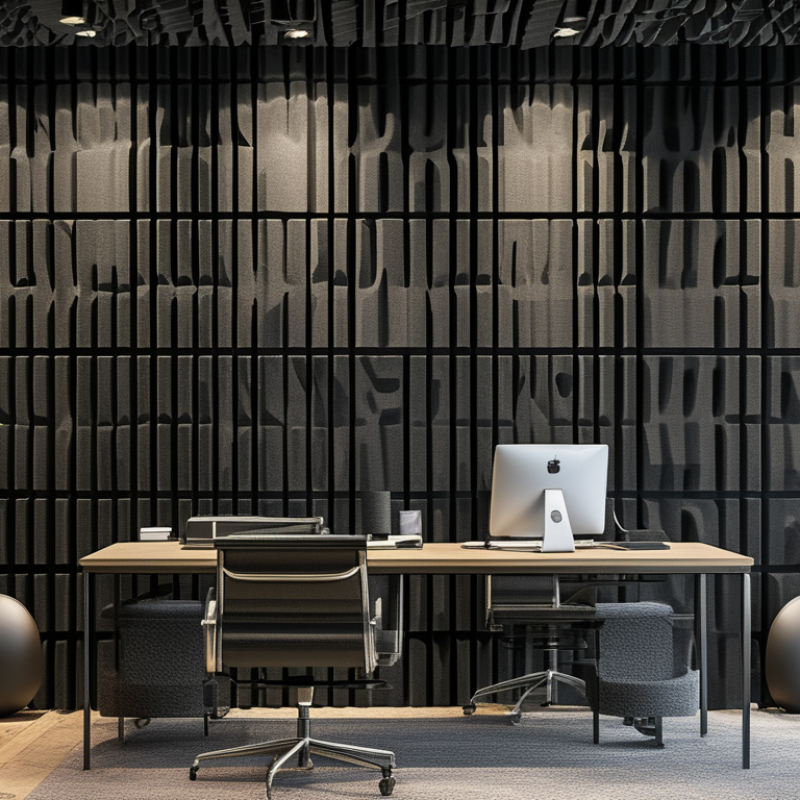
Understanding the Purpose of Acoustic Wall Panels in Interior Design
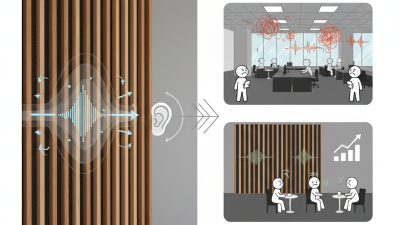
Acoustic wall panels serve an essential role in interior design by improving sound quality and reducing noise levels. According to a study by the Acoustical Society of America, excess noise can lead to decreased productivity and increased stress. With the rise of open-concept spaces, managing sound has become even more critical. Acoustic panels offer a solution by absorbing sound waves, leading to a serene environment.
The effectiveness of acoustic panels varies based on their materials and placements. For instance, foam panels tend to absorb mid to high frequencies, making them suitable for studios and offices. On the other hand, wood or fabric-covered panels can enhance aesthetics while controlling sound in larger areas. A report from the National Institute of Standards and Technology highlights the importance of proper installation to maximize effectiveness. Poorly placed panels can leave sound issues unresolved, showcasing that design choices matter significantly.
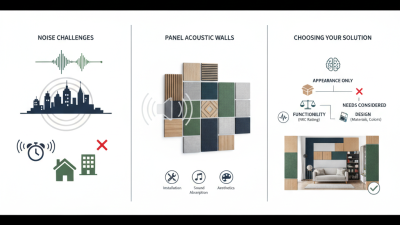
Choosing the right acoustic panels involves understanding their function and the unique needs of a space. An assessment of room size and layout is crucial. Additionally, personal preferences should guide your selection process. This can be challenging, as what works acoustically may not align with visual preferences. Balancing aesthetics and functionality can lead to difficult decisions. Yet, taking the time to research and reflect on options is key to achieving optimal results in any environment.
Assessing Your Space: Size, Layout, and Acoustic Needs
Assessing your space is vital when choosing black acoustic wall panels.
Start by measuring the dimensions of your room. This helps you determine
how many panels you’ll need. Each panel offers different coverage.
Consider the layout too. An open-concept design may require more panels
in strategic locations. Identify areas where sound reverberates most,
like corners or large walls.
Think about your acoustic needs. Are you reducing noise for music
enjoyment or creating a quiet workspace? Different areas have different
requirements. For a studio, you'll need dense panels with high absorption.
For a home theater, consider those that enhance clarity while managing
sound. Reflecting on these factors can help refine your choice.
It may take time to find the perfect balance, and that's okay.
Test placements before finalizing your decision. The goal is to
create a harmonious environment.
Materials and Aesthetic Considerations for Black Acoustic Panels
When selecting black acoustic wall panels, material choice and aesthetic appeal play crucial roles. Different materials impact both sound absorption and visual integration. Alternatives include foam, wood, and fabric-covered panels. Foam panels are lightweight and can be easily applied. Wood panels offer a warm, natural look. Fabric-covered options combine texture with effective sound management.
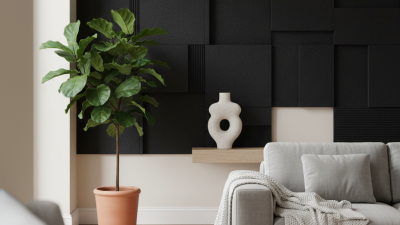
Aesthetic integration is essential. Black panels can enhance a modern look or contrast with lighter surroundings. Consider the texture and finish. Smooth surfaces create a sleek design while textured finishes add depth. Don’t overlook size and shape. Rectangular panels can be aligned for a sleek appearance. Conversely, irregular shapes can be more dynamic and engaging.
However, it’s vital to reflect on how the panels will fit into your existing space. Think about the overall design theme and color palette. Mixing materials introduces unique characteristics but can be tricky. Balance is key; too many different elements may disrupt harmony. Understand the limitations of each material to avoid surprises in performance and installation.
Evaluating Different Types of Acoustic Panels: Pros and Cons
When selecting acoustic wall panels, understanding the pros and cons of different types is essential. Soft fabric panels, often made from polyester, are popular. They can absorb sound well and come in various colors. However, they may not be as durable as other materials and can collect dirt over time. A study by the Acoustic Society indicates that these panels can reduce noise levels by up to 30%. This is significant for classrooms or recording studios.
Wooden acoustic panels offer a natural aesthetic. They can enhance sound quality by diffusing sound waves. Still, they often require precise installation to be effective. Misalignment can lead to uneven sound distribution, making the space feel harsh. Research shows that in open areas, poorly installed wooden panels can increase reverberation times, impacting the overall sound experience.
Foam panels are lightweight and easy to install. They effectively reduce echoes but might lack aesthetic appeal. Users sometimes find them less professional-looking for corporate settings. Studies suggest they perform well in smaller rooms, making them a practical choice for home studios. Yet, they may not last as long in high-traffic areas. Every choice has trade-offs, and careful consideration of these factors can lead to a better auditory environment.
How to Choose the Best Black Acoustic Wall Panels for Your Space? - Evaluating Different Types of Acoustic Panels: Pros and Cons
| Type of Acoustic Panel |
Material |
Sound Absorption Coefficient |
Pros |
Cons |
| Foam Panels |
Polyurethane Foam |
0.7 - 0.9 |
Affordable, Lightweight, Good sound absorption |
Easily damaged, Fire safety could be a concern |
| Fabric Wrapped Panels |
Mineral Wool or Fiberglass |
0.8 - 1.0 |
High sound absorption, Customizable appearance |
Higher cost, Requires professional installation |
| Wood Panels |
Plywood or MDF |
0.5 - 0.7 |
Aesthetic appeal, Durable |
Less effective at high frequencies, More expensive |
| Perforated Panels |
Metal or Wood |
0.6 - 0.8 |
Modern look, Can blend with decor |
Installation can be tricky, May require additional soundproofing |
Installation Tips and Maintenance for Optimal Performance and Longevity
When installing black acoustic wall panels, proper preparation is key. Choose a suitable wall surface that is clean and smooth. Ensure you have the right tools, such as a measuring tape, level, and adhesive. The panels should be placed at optimal height for best sound absorption. Consider where noise originates; placing panels strategically can reduce echoes effectively. Leave space around corners, as it can help improve sound diffusion.
Regular maintenance of your panels enhances longevity. Dust them weekly to prevent build-up. If you notice stains or discoloration, clean them with a damp cloth. Be mindful not to over-saturate the panels; this can cause damage. Depending on your space and exposure to sunlight, panels may fade over time. It’s wise to review them periodically. If they seem worn, consider re-covering or replacing them. Reflect on your space’s acoustics regularly; this helps maintain an enjoyable atmosphere.
Acoustic Wall Panels Performance Comparison