2026 Best Panel Acoustic Wall Options for Soundproofing Your Space?
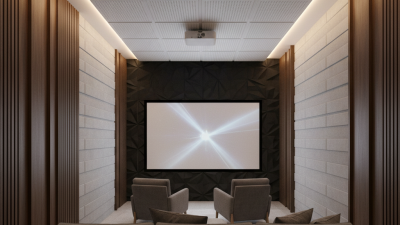
Creating a peaceful environment is essential in today’s noisy world. One effective solution is the Panel Acoustic Wall. These installations help reduce sound transmission, making your space more enjoyable. With the rise of remote work and home studios, soundproofing has become a priority.
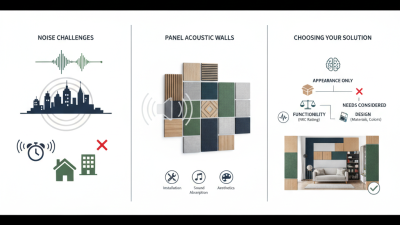
Choosing the right Panel Acoustic Wall can be daunting. There are many options on the market, each offering unique features. Some panels excel in absorption, while others focus on diffusion. It’s crucial to understand your space’s specific needs. Consider factors like room layout, wall material, and existing noise levels.
However, not every Panel Acoustic Wall option is suitable for everyone. Budget constraints and aesthetic preferences can complicate the decision. One may find it challenging to balance effectiveness with visual appeal. Reflecting on your requirements will lead to better choices. Exploring various styles and materials will enhance your soundproofing journey.
2026 Panel Acoustic Wall Materials: An Overview of Options
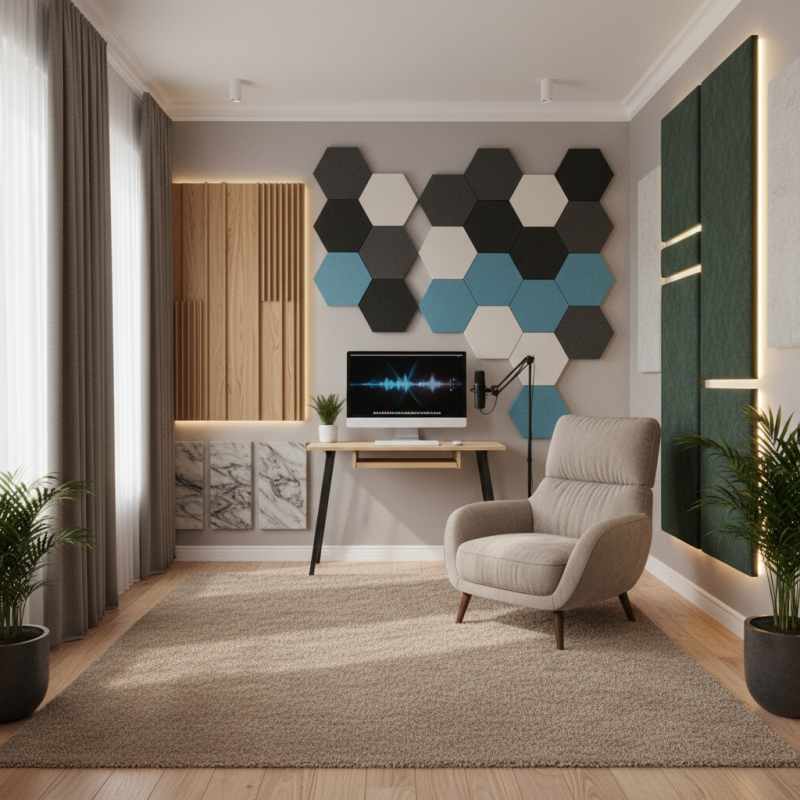
When considering acoustic wall options for soundproofing, various materials offer unique benefits. Common choices include fabric-wrapped panels, foam, and wood. Each material affects sound absorption differently. Fabric-wrapped panels not only add aesthetic appeal but also effectively reduce noise. Foam panels are lightweight and easy to install but may lack durability.
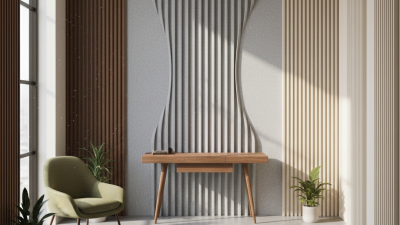
Wood acoustic panels provide a sophisticated look while enhancing sound quality. They can minimize echo and improve overall acoustics. However, installation can be challenging, and they might require more maintenance. Before making a decision, assess the specific needs of your space.
Some materials may absorb sound better than others, depending on their density and thickness. Reflect on your room's purpose. Will it be a studio, office, or home theater? Each environment has unique requirements. Sometimes, a combination of materials yields the best results. Remember that not all panels suit every situation perfectly. Testing different options might lead to unexpected insights. Consider trial and error in this journey to optimal soundproofing.
2026 Best Panel Acoustic Wall Options for Soundproofing Your Space
This chart displays the effectiveness of various panel acoustic wall materials in terms of sound absorption coefficients. The data reflects common materials used for soundproofing in 2026.
Key Features to Consider When Choosing Acoustic Wall Panels
When selecting acoustic wall panels, it's essential to consider several key features that greatly impact performance. One crucial aspect is the material used in the panels. According to a study by the Acoustical Society of America, porous materials, such as foam and fabric, are effective at absorbing sound frequencies, particularly in the mid to high range. This can significantly reduce echo and create a more harmonious environment.
Additionally, the thickness of the panels plays a vital role. Thicker panels tend to absorb lower frequencies better. Research shows that panels with a thickness of at least two inches can absorb sound frequencies as low as 125 Hz. For spaces with loud ambient noise, such as recording studios or open offices, this feature is invaluable. It's also important to reflect on the installation process. Improper installation can diminish the effectiveness of acoustic panels. Ensure that panels are mounted securely and that they cover sufficient wall area for optimal soundproofing.
Aesthetics should not be overlooked. Many panels come in various colors and textures, allowing for creativity in design. According to recent surveys, over 70% of users prioritize appearance alongside acoustic performance. Balancing these aspects requires careful planning. Reflecting on the design can lead to effective solutions that satisfy both soundproofing needs and visual appeal.
Installation Techniques for Effective Soundproofing Solutions
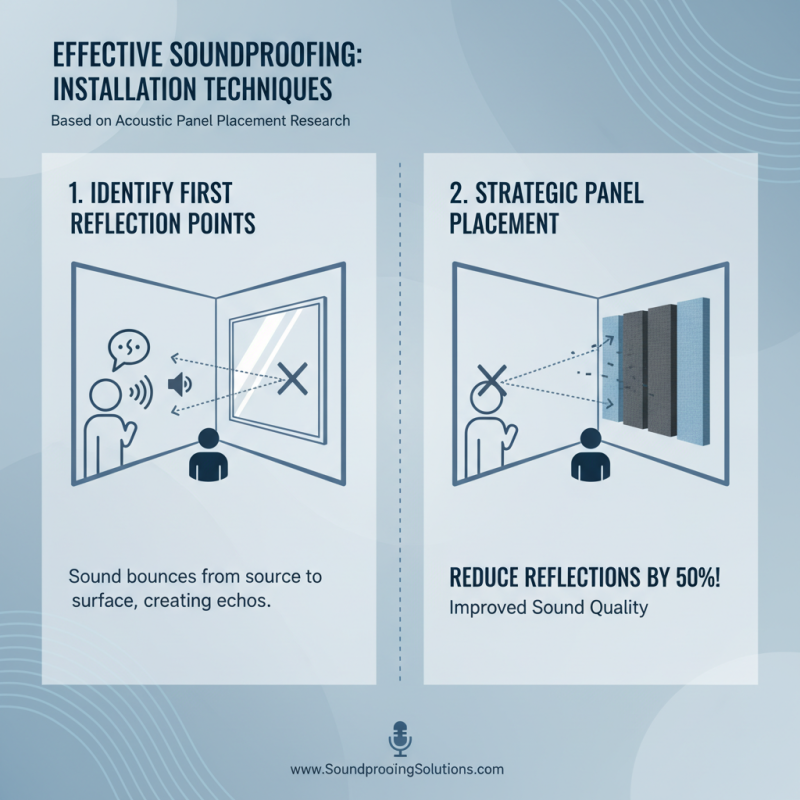
When considering acoustic panels for soundproofing, installation techniques are crucial for effectiveness. Proper placement can significantly impact performance. Research shows that sound absorption is most effective when panels are placed at the first reflection points. These points are where sound waves bounce directly from a source to a surface, creating unwanted echoes. Positioning panels strategically can reduce these reflections by up to 50%, making a noticeable difference in sound quality.
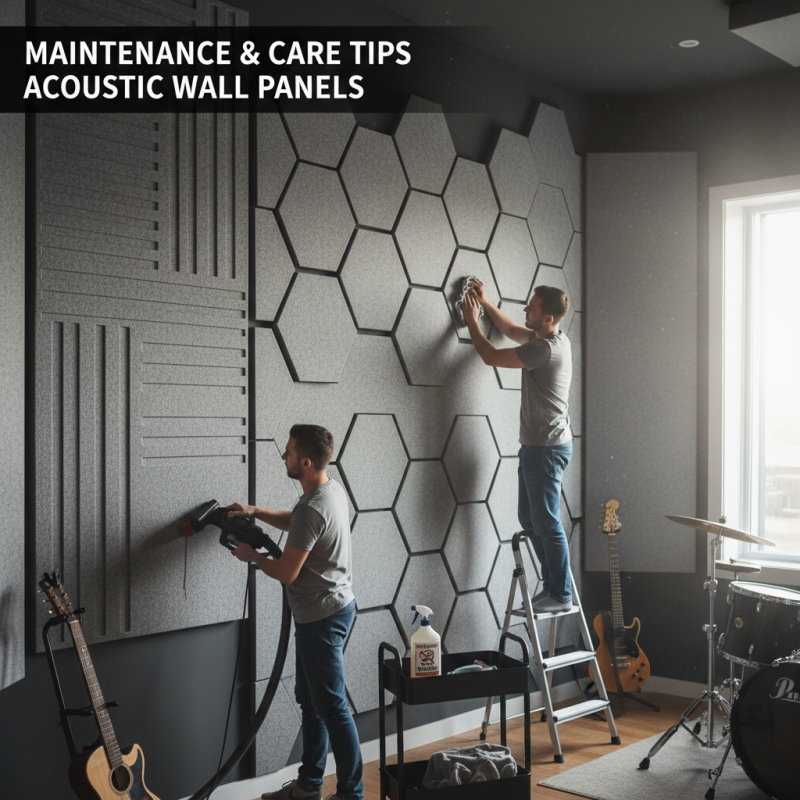
Adhesive mounting is a popular method for installing panels. It allows for a seamless look and eliminates the need for hardware. However, if not applied evenly, it can lead to sagging over time. This can undermine the panel’s effectiveness. For a more secure option, using wall anchors or hanging systems yields better long-term results. These methods can support heavier panels, ensuring they're stable.
Regular evaluation of your setup is essential. A room's acoustics can change with the addition of furniture or electronic devices. Adapting your installations to these changes can maintain optimal soundproofing. It's worth noting that every space is different. What works in one room may not be as effective in another. Continual learning and adjustment are key to achieving the best soundproofing results.
Comparative Analysis of Price and Performance in Acoustic Panels
When considering acoustic panels for soundproofing, both price and performance matter greatly. High-quality panels typically offer better sound absorption, reducing echoes and external noise. However, their price can be steep, posing a challenge for budget-conscious buyers. Some lower-priced options might not perform as expected. They can often look attractive but fail to meet sound-muffling needs.
Performance varies significantly among different panel types. For instance, density and material play crucial roles in effectiveness. Some materials may absorb mid and high frequencies well, while others could lack low-frequency absorption. Buyers should research the specifications closely. Online reviews often provide useful insights into real-life performance. It’s essential to weigh customer feedback against cost. Sometimes, you may sacrifice aesthetics for better results.
Choosing the right panel requires careful consideration. A handsome design might draw you in, but if it falls short on soundproofing, you'll be disappointed. Testing panels in different environments can reveal how they genuinely perform. Take the time to explore options that match your space's specific needs. This thoughtful approach will lead to more satisfying results.