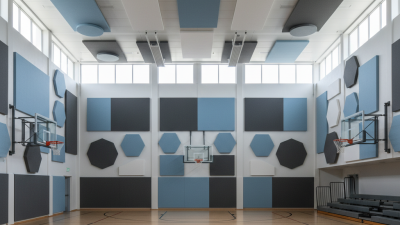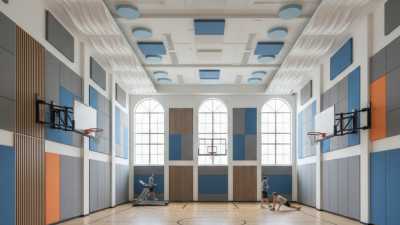

Noise can make an otherwise comfortable room tiring. Voices bounce off bare walls, a video call sounds hollow, and footsteps from the hallway seem sharper than they should. Interior Acoustic Panels can help reduce that reflected sound by absorbing some of the energy that would otherwise travel around the room. They are often useful in home offices, media rooms, bedrooms, and shared living spaces.
But panels are not soundproofing. They may soften echoes and improve speech clarity, yet they usually cannot stop traffic, loud neighbors, or bass from passing through walls. That distinction matters. A small room with hard floors and a large window may need a different setup from a carpeted office with only a slight echo. Placement, panel thickness, material, and coverage all affect the result. Even a few well-placed panels can help, though expectations should stay realistic.
This guide looks at seven interior acoustic panel options for different rooms, budgets, and design preferences. It considers practical details such as installation, appearance, and published sound-absorption information, rather than relying on style alone. Check product specifications carefully; ratings and testing methods can vary between brands. Also consider room layout and any manufacturer guidance before mounting panels. A neat product photo can be persuasive. Real rooms are messier. The right choice depends on the noise you want to reduce and the changes you can reasonably make.
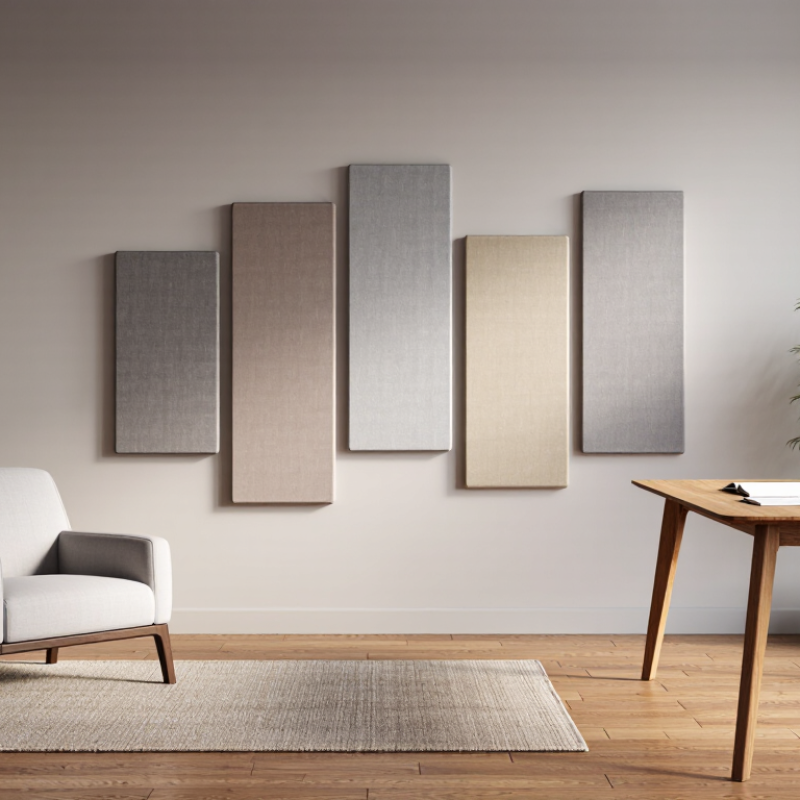
Interior acoustic panels absorb sound rather than simply covering a wall. Many use porous materials that let sound waves enter and lose energy through friction within the fibers. Less sound returns to the room, so speech can feel clearer and echoes may fade. The change is often most noticeable in a bare room with hard floors, large windows, and little soft furniture. Not magic. Panels do not usually stop noise traveling through walls or from outside.
Placement matters. A few panels near strong reflection points—often side walls beside a listening or seating area—can make a room feel less harsh. A practical check is to have someone speak while you listen, then move a small mirror along the wall; spots where you can see a speaker from your seat may be useful places to test. Results depend on panel thickness, coverage, room shape, and the sound itself. Thin panels may help with speech and higher frequencies, while bass often needs deeper treatment or other methods. It is easy to expect too much from one wall. Try a modest layout, listen again, and adjust before covering the room.
Interior acoustic panels use porous materials to absorb sound reflections. Fiberglass and mineral wool are common because their open structure helps reduce mid- and high-frequency echo. Polyester-fiber panels offer a lighter, often less irritating option to handle. Acoustic foam is easy to shape, but its performance depends on thickness and placement. These materials soften a room’s sound; they do not block noise like a sealed, insulated wall. That distinction matters.
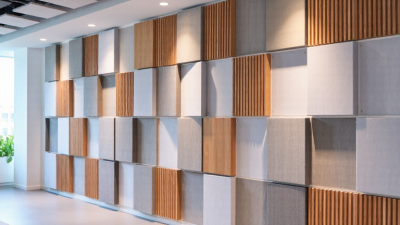
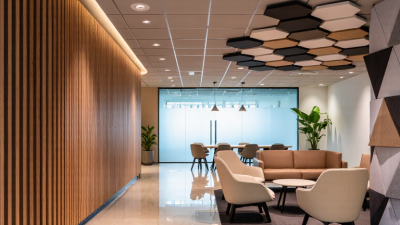
Designs range from flat fabric-wrapped panels to wood-slat faces backed with absorbent material. Fabric panels suit offices and living rooms, while slatted designs add a warm, linear look. Thickness, backing, and air gaps affect performance, so appearance alone can mislead. A panel may look substantial yet leave a room’s low bass largely unchanged. I find this detail easy to overlook when choosing by photos.
Tips: Place panels near reflective surfaces, such as the wall beside a desk or across from a window. Start with a few, then listen again. Small changes help. Check the panel’s material details and fire-performance information before installation, especially in shared or public spaces.
| Panel Type | Common Construction | Typical Sound Absorption | Best Suited For | Key Considerations |
|---|---|---|---|---|
| Fabric-Wrapped Fiberglass | Rigid fiberglass core covered with acoustically transparent fabric. | Often high; many tested products have an NRC around 0.80–1.05, depending on thickness and mounting. | Offices, classrooms, meeting rooms, studios, and other spaces with echo. | Lightweight and available in many shapes and colors. Check the product’s fire rating and fabric-cleaning requirements. |
| Mineral-Wool Panels | Mineral-wool or stone-wool core, commonly covered with fabric or enclosed in a protective facing. | Often high; product ratings commonly fall around NRC 0.80–1.00, though test results vary. | Rooms needing broad mid- and high-frequency absorption, including studios and shared workspaces. | Performance depends on panel thickness, density, air gap, and installation. Use a suitable facing to contain fibers. |
| Acoustic Foam Panels | Open-cell polyurethane or melamine foam, often shaped with wedges, pyramids, or flat surfaces. | Varies considerably; thin panels mainly absorb higher frequencies, while thicker products can absorb more broadly. | Reducing flutter echo and high-frequency reflections in small rooms or practice spaces. | Foam is not a substitute for sound isolation and may absorb bass poorly unless designed and installed for low frequencies. Check fire-safety specifications. |
| PET Felt Panels | Panels made from compressed polyester fibers, sometimes including recycled content. | Moderate to high for many designs; results depend on thickness, density, backing, and mounting. | Offices, libraries, classrooms, and interiors where a durable, lightweight finish is desired. | Available in cut shapes and colors. Compare independent test data for the exact panel and installation method. |
| Perforated-Wood Panels | Perforated or slotted wood facing installed over an absorptive backing and, in some designs, an air cavity. | Moderate to high when paired with an absorber; performance is highly design- and frequency-dependent. | Auditoriums, conference rooms, and interiors where a finished wood appearance is preferred. | Perforation pattern, backing material, cavity depth, and open area affect performance. Typically heavier than soft panels. |
| Wood-Slat Panels with Felt Backing | Decorative wooden slats mounted over a felt or other absorptive backing. | Variable; absorption depends on the backing, slat spacing, and whether an air gap is included. | Living spaces, reception areas, and offices needing a decorative wall treatment. | Do not judge performance by appearance alone. Check acoustic test results for the complete slat-and-backing assembly. |
| Fabric-Wrapped Recycled-Fiber Panels | Rigid or semi-rigid panels made from recycled textile or other fiber blends, finished with fabric. | Product-specific; thickness and fiber structure determine how much sound is absorbed. | General-purpose wall treatments in offices, schools, and community spaces. | Confirm published absorption ratings, fire performance, and moisture suitability; recycled content alone does not indicate acoustic performance. |
| Note: Acoustic panels absorb sound reflections inside a room, helping reduce echo and reverberation. They generally do not block sound from passing through walls or ceilings. NRC figures are product- and test-specific; compare certified test data for the exact panel, thickness, and installation. | ||||
Interior acoustic panels differ in what they absorb, where they fit, and how much room they need. Fabric-wrapped mineral wool or fiberglass panels are common wall choices. Their porous cores absorb mid- and high-frequency reflections, making speech clearer in a home office or dining room. They are not a soundproof barrier. Foam panels are light and easy to cut, but thin pieces do little for low bass.
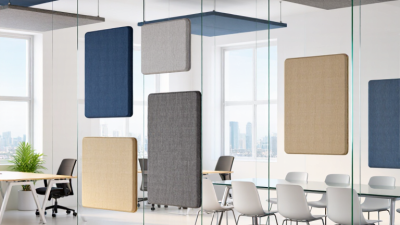
Wood slat panels can combine a finished wood face with an absorptive backing. Perforated wood panels work similarly, though their performance depends on the holes and backing material. PET felt panels are lightweight and often shaped into decorative forms; check their thickness before expecting strong absorption. Ceiling clouds hang above a noisy table or meeting area, reducing reflections from overhead. Placement matters.
Bass traps are thicker corner panels designed to tame low-frequency buildup. They need more depth than a slim wall tile. Perforated gypsum panels offer a more integrated, durable surface, but installation is less flexible than hanging a fabric panel. One detail is easy to overlook: a room may sound less echoey without becoming quieter next door. Match panel type to the problem, then test the room with a hand clap or a short spoken recording. The result may still feel uneven. That is useful feedback.
A useful panel choice starts with the room’s main problem. In a home office, speech reflections can make video calls tiring; place absorbers on the wall behind your screen and near the side-wall reflection points. A small meeting room may need broader coverage, especially around a hard table and glass walls. For a bedroom, prioritize softening echoes without covering every surface. Not every wall. Leave some reflective area so the room does not feel unnaturally dull.
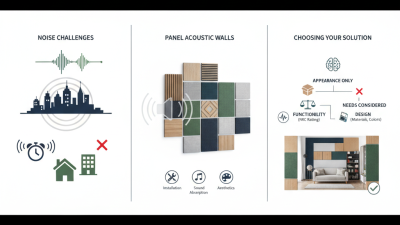
Check panel thickness, tested absorption data, and installation guidance rather than judging by appearance alone. NRC ratings can help compare products, but they do not tell the whole story across every frequency. Low, booming sounds from traffic or a subwoofer often need thicker treatment or corner bass traps; thin panels mainly reduce mid- and high-frequency reflections. They will not seal a noisy window or stop sound passing through a wall. That matters. I find placement less intuitive than shopping: start with a few panels, listen from your usual seat, then adjust. Test, then adjust. Keep panels clear of heaters and follow their mounting and fire-safety instructions.
Acoustic panels work best where sound reflects, not simply wherever a wall looks empty. Sit in your usual listening or work position and ask someone to move a small mirror along the side walls. Mark spots where you can see a speaker or other sound source; these first reflection points are useful places for panels. In a home office, a few panels behind the monitor and on the wall opposite can soften harsh echoes. They absorb reflected sound, but they do not block traffic or loud neighbors like insulation does.
Ceiling panels can help in rooms with hard floors and high ceilings. Hang them securely above a table or listening area, while keeping lights, vents, and sprinklers unobstructed. Leave some bare wall if the room starts to feel unnaturally dull. More coverage is not always better. The ideal layout depends on room size, furnishings, and how you use the space, so add panels gradually and listen for changes. One small panel may make less difference than expected; that is worth checking before covering an entire wall.
For routine care, use a soft brush attachment on a vacuum and clean gently, especially around seams where dust collects. Check the maker’s care instructions before using water or cleaning products, since fabric and core materials vary. Avoid soaking panels, which can cause stains or weaken adhesive. Every few months, inspect mounts for loosening and look for sagging or damp patches. If a panel shifts, fix the cause rather than pressing it back and hoping it holds.
Panel performance depends on the material, thickness, mounting method, and room. This chart shows sound wavelength at common frequencies, calculated at approximately 20°C (343 m/s).
Lower-frequency sound has longer wavelengths and is generally harder to absorb with thin panels; thicker absorbers or an air gap can help. Place panels at reflection points on walls and, where useful, above listening areas as ceiling clouds. Keep panels clear of dust with gentle vacuuming and follow the material maker’s cleaning instructions. Acoustic panels reduce reflections and echo; they do not soundproof a room.