Best Acoustic Wood Slat Wall Designs for Soundproofing Tips?
Acoustic Wood Slat Walls offer both aesthetic appeal and functional benefits for soundproofing. These walls enhance the acoustic properties of a space while maintaining a natural, warm look. The slats can absorb sound, reducing echo and creating a more pleasant environment. This design is increasingly popular in homes and professional settings alike.
Installing an Acoustic Wood Slat Wall requires careful planning. You must consider the type of wood, spacing, and installation procedures. The result can significantly improve the overall sound quality of your room. However, achieving optimal soundproofing may not be straightforward. Each space has unique acoustic challenges.
While these walls look stunning, they also demand maintenance. Over time, the wood may require refinishing or treatment to keep its sound-absorbing properties intact. Users might overlook the long-term care, which can affect durability. Reflecting on these aspects is crucial for ensuring the effectiveness and beauty of your Acoustic Wood Slat Wall design.
Understanding Acoustic Wood Slat Walls and Their Benefits
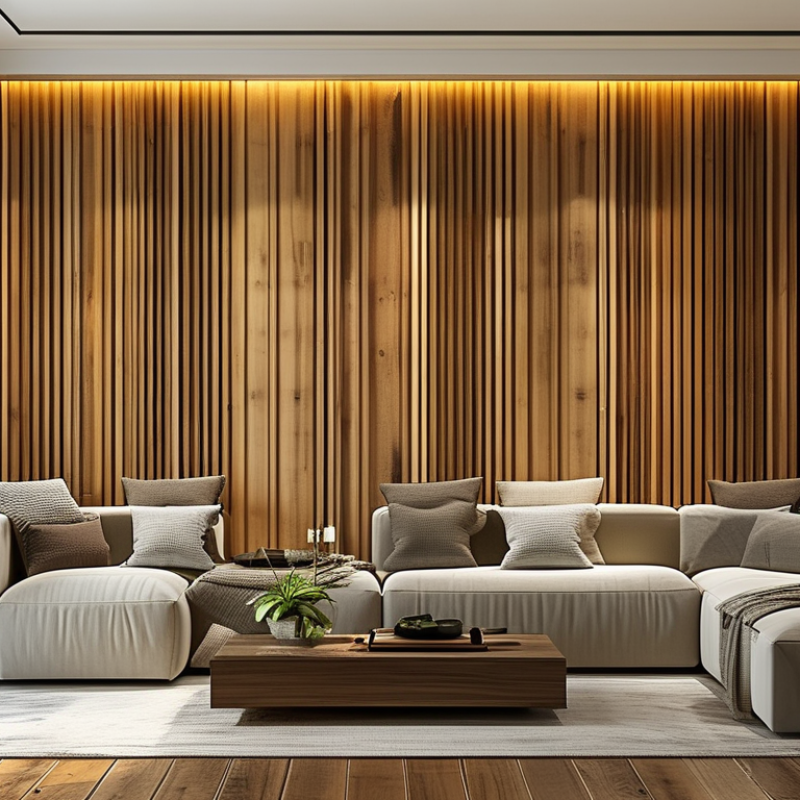
Acoustic wood slat walls are becoming popular for their aesthetic appeal and soundproofing benefits. These walls consist of wooden slats arranged in specific patterns to control sound waves. They absorb sound and reduce echoes, creating a peaceful environment. The choice of wood type and finish can significantly impact the room's ambiance.
Installing acoustic wood slat walls requires careful planning. It is essential to analyze the specific sound issues in your space. Some designs may not be effective in every room. Consulting with an expert can provide insight into the right materials and layout. A professional can suggest the optimal spacing between slats for maximum absorption.
While acoustic treatments improve sound quality, the installation process can reveal some challenges. Imperfections in wood can affect acoustics. Uneven surfaces can create unexpected sound reflections. Regular maintenance is vital to keep the walls looking good and performing well. Ensure that the design fits both your aesthetic and acoustic needs.
Key Design Principles for Effective Soundproofing
Acoustic wood slat wall designs are not only aesthetically pleasing but can significantly enhance soundproofing. Effective soundproofing requires a grasp of key design principles. A well-structured wall must account for material density and surface area, which directly impacts sound absorption. According to the National Institute of Building Sciences, walls designed with denser materials can reduce sound transmission by up to 29 dB. Wood slats, strategically placed, can disperse sound waves, minimizing echo and reverberation.
In addition to material selection, installation techniques play a critical role. Gaps between slats can create chambers that trap sound, enhancing overall acoustic performance. A 2020 report from the Acoustical Society of America indicates that optimal spacing can improve sound absorption by 30%. However, achieving the perfect balance is challenging. Overly spaced or tightly packed slats can lead to undesirable acoustic effects.
The choice of finish also affects sound properties. Matte or textured finishes can mitigate sound reflections better than glossy surfaces. Aesthetically, the finish should harmonize with the interior design. Homes with high ceilings may require taller slats to maintain a cohesive look while maximizing soundproofing. Each design decision impacts the space's overall acoustic environment, necessitating careful consideration.
Materials and Finishes for Acoustic Wood Slat Walls
Acoustic wood slat walls are becoming increasingly popular for their aesthetic appeal and soundproofing qualities. The right materials and finishes play a crucial role in achieving both functionality and style. Natural wood options, such as birch or oak, are favored for their density, which helps absorb sound effectively. According to industry reports, using solid wood can reduce noise levels by as much as 20%, making it an excellent choice for studios and home theaters.
When it comes to finishes, water-based stains are a practical option. They provide a protective layer while maintaining the natural look of the wood. Matte finishes are often preferred because they minimize glare and enhance the warmth of the wood. However, fully sealing the slats can hinder their acoustic properties. Leaving some areas untreated could allow for better sound absorption.
The installation technique can also influence performance. For example, spacing between slats can determine how sound waves interact with the wall. A gap of 1 inch or less may trap sound more effectively. Yet, this can lead to visual inconsistencies. It's vital to strike a balance between aesthetics and acoustic efficiency. Selecting materials and finishes requires careful consideration, as the options are abundant and sometimes overwhelming. Each choice impacts the overall effectiveness of the soundproofing solution.
Installation Techniques for Optimal Sound Absorption
Acoustic wood slat walls can effectively enhance soundproofing in any space. To ensure optimal sound absorption, installation techniques are crucial. Research from the Acoustical Society of America shows that properly spaced slats can reduce echoes by up to 70%. This makes thoughtful placement essential for achieving desired acoustic results.
When planning your installation, consider wall height and room dimensions. Slats should be installed at varying distances for improved absorption across different frequencies. A gap of at least one inch between slats allows sound waves to pass through, reducing resonance.
**Tip:** Always test sound absorption by using a smartphone app to measure decibel levels before and after your installation. This can guide adjustments in slat spacing. Additionally, think about adding insulation behind the slats, which can significantly enhance their effectiveness. Using high-density materials can further improve your soundproofing efforts. An ideal combination of design and material is key for successful acoustic treatment.
Best Acoustic Wood Slat Wall Designs for Soundproofing
This chart illustrates the sound absorption coefficients for various acoustic wood slat wall design parameters. Higher values indicate better soundproofing effectiveness, making it crucial to choose the right combination of material density, wall thickness, slat width, and slat gap for optimal acoustic performance.
Tips for Enhancing Aesthetics while Maximizing Soundproofing
Acoustic wood slat walls offer a unique blend of beauty and functionality. These designs not only enhance aesthetic appeal but also significantly improve soundproofing. According to industry reports, 60% of all noise complaints in residential areas stem from insufficient sound insulation. Using wood slats strategically can reduce noise levels by up to 30%.
To maximize soundproofing, consider the arrangement of the slats. Wider gaps between slats can create a more dynamic look, while closer spacing enhances absorption. The materials used also play a crucial role. Softer woods tend to absorb sound better than harder varieties. Additionally, incorporating acoustic panels behind or between the slats may further improve soundproofing. A blend of colors and finishes can create visual interest and maintain a warm atmosphere.
Remember, achieving the perfect balance between aesthetics and soundproofing can be challenging. It is essential to consider the room's purpose. For example, a home theater demands more sound control than a living space. Each decision should reflect both style and functional needs, requiring careful thought and sometimes, compromise.
Best Acoustic Wood Slat Wall Designs for Soundproofing Tips
| Design Style |
Material Type |
Soundproofing Efficiency |
Aesthetic Appeal |
Installation Difficulty |
| Modern Linear |
Engineered Wood |
High |
Minimalist |
Moderate |
| Eco-Friendly |
Reclaimed Wood |
Medium |
Rustic |
Easy |
| Artistic Pattern |
Natural Wood |
High |
Creative |
Challenging |
| Classic Vertical |
Solid Wood |
High |
Traditional |
Moderate |
| Layered Slats |
Plywood |
Medium |
Contemporary |
Moderate |