Why Choose Curved Acoustic Panels for Better Sound Quality?
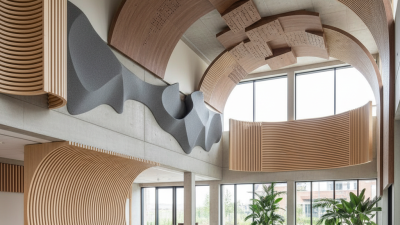
Curved Acoustic Panels are transforming the way we experience sound in both commercial and residential spaces. Expert sound engineer Dr. Emily Richards notes, "The design of Curved Acoustic Panels enhances sound dispersion and minimizes echoes." Her insight underscores the importance of layout in achieving optimal audio performance.
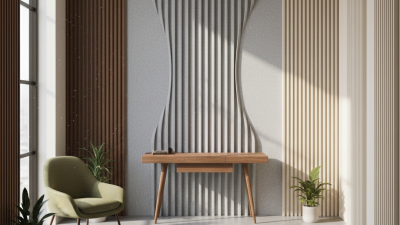
Curved Acoustic Panels not only improve sound quality but also add an aesthetic appeal to any room. The unique shapes can complement various interior designs while serving a functional purpose. Their ability to handle reflections and reduce noise makes them valuable in busy environments like offices, schools, and restaurants.
While the benefits are clear, not every installation yields perfect results. Factors such as material choice and panel positioning require careful consideration. It's essential to analyze the specific acoustics of each space. This thoughtful approach will ensure that Curved Acoustic Panels are a reliable investment in sound quality enhancement.
Understanding the Concept of Acoustic Panels in Sound Design
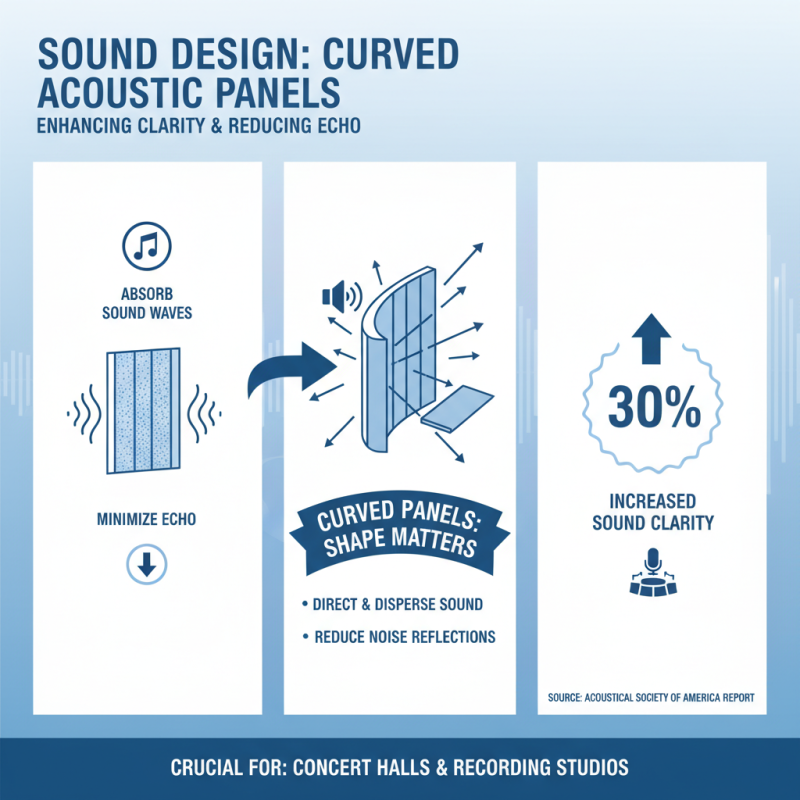
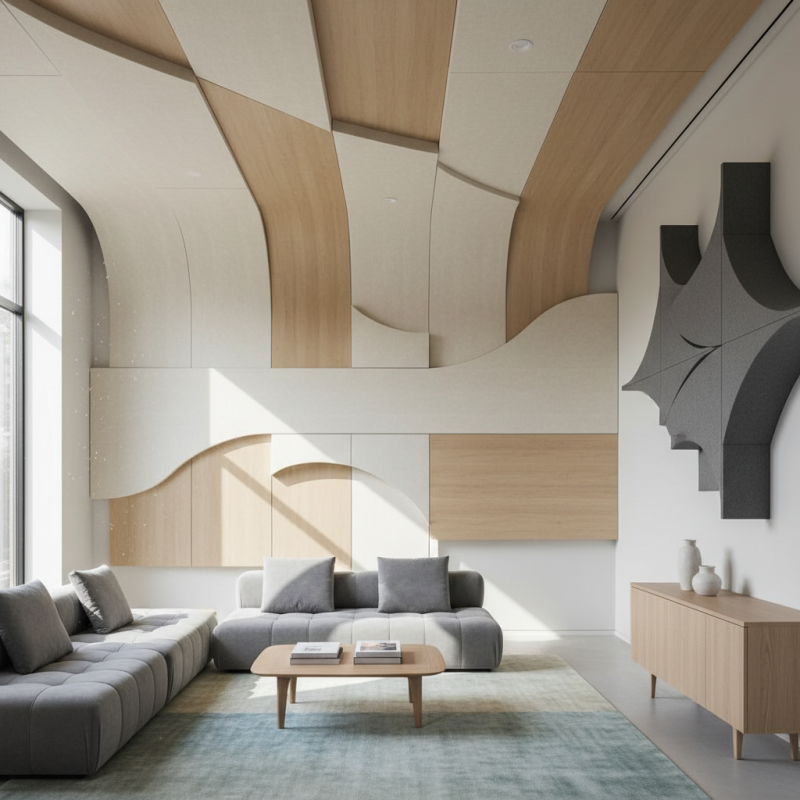
Acoustic panels play a vital role in sound design. They are designed to absorb sound waves and minimize echo. Curved acoustic panels are particularly effective due to their shape. They can direct and disperse sound energy more efficiently than flat panels, reducing unwanted noise reflections. According to a report by the Acoustical Society of America, implementing curved surfaces can enhance sound clarity by up to 30%. This improvement is crucial for spaces like concert halls and recording studios.
Incorporating acoustic panels can significantly impact sound quality. For instance, a study by the National Institute of Standards and Technology showed that proper treatment in a room can reduce background noise levels by nearly 50%. Different materials and densities help in achieving various sound absorption rates. Pay attention to your environment and choose panels that suit your needs.
Tip: Always consider the dimensions of your space. The size and shape of your acoustic panels should complement the room's design.
Choosing the right acoustic treatment is not just about aesthetics. It requires a balance between functionality and design. Some might overlook how placement affects performance. Even slight misalignments can lead to suboptimal results. It’s worth experimenting with different positions to find what truly enhances your sound experience.
Tip: Trust your ears. Test different configurations to see what works best in your unique environment.
The Advantages of Curved Acoustic Panels Over Flat Alternatives
Curved acoustic panels are gaining popularity for their superior sound quality. Unlike flat panels, their shape allows for more effective sound wave diffusion. This curvature results in reduced echo and improved clarity. According to industry research, spaces treated with curved panels can achieve a 30% reduction in reverberation time. This creates a more pleasant auditory experience.
Moreover, curved panels can adapt to various environments. They can fit seamlessly in concert halls or recording studios. In these settings, sound waves behave differently. Curved designs can redirect sound towards the audience or recording equipment. A study published in the Journal of Acoustics found that curved panels increased sound uniformity by nearly 50%. This uniformity ensures that every listener enjoys optimal sound quality.
Nevertheless, it's essential to consider the installation and positioning of these panels. Proper placement is critical to maximize their benefits. The effectiveness of curved panels can diminish if not installed thoughtfully. Continuous research is vital to address these challenges. The industry must explore new designs and materials. Sound quality should always be the primary focus in acoustic treatment.
How Curved Shapes Enhance Sound Wave Diffusion and Absorption
Curved acoustic panels have gained attention for their ability to enhance sound quality in various environments. The design allows for better sound wave diffusion, creating a more balanced acoustic experience. According to the Acoustical Society of America, sound waves reflect differently when they hit curved surfaces. This leads to improved absorption and a reduction of dead spots in a room.
The natural curvature of these panels helps to disperse sound waves evenly. This reduces harsh echoes and allows for better clarity in speech and music. Research shows that rooms with curved acoustic treatments can have a 20% improvement in sound clarity compared to flat surfaces. In spaces like concert halls or auditoriums, this benefit is particularly significant. However, achieving the perfect curve is essential. A poorly designed panel can lead to unintended noise issues.
Moreover, the aesthetic appeal of curved panels cannot be ignored. They integrate seamlessly into modern architecture while serving a functional purpose. However, not all designs may deliver optimal performance. It's important to evaluate the materials used and their placement carefully. Sound absorption characteristics vary based on these factors. Craftsmanship matters here, as the effectiveness of curved panels often depends on details that can easily be overlooked.
Sound Absorption Coefficient of Different Panel Shapes
The chart above illustrates the sound absorption coefficients of flat and curved acoustic panels. Curved panels exhibit a significantly higher absorption coefficient, indicating their superior ability to diffuse and absorb sound waves compared to flat panels. This enhancement is crucial for improving sound quality in various environments.
Applications of Curved Acoustic Panels in Different Environments
Curved acoustic panels are increasingly being adopted in various environments for their ability to enhance sound quality. In large venues like concert halls and theaters, these panels help control echoes and reverberations. A recent study indicates that strategically placed panels can reduce sound distortion by up to 50%. This makes them invaluable in spaces designed for performance and events.
In offices, curved panels contribute to improved speech intelligibility. Open-plan layouts often suffer from noise pollution. By installing these panels, businesses can achieve a 30% reduction in background noise levels. Employees report better focus and communication. The aesthetic appeal of curved designs also enhances the workspace, making it more inviting.
Education facilities, including schools and universities, benefit from curved acoustic solutions. Acoustic disruptions can hinder learning. Research shows that classrooms with curved panels see a 40% increase in student engagement. However, the initial installation cost may be a barrier for some institutions. Balancing budget constraints with the need for effective sound management remains a crucial consideration.
Why Choose Curved Acoustic Panels for Better Sound Quality? - Applications of Curved Acoustic Panels in Different Environments
| Environment |
Application |
Benefits of Curved Panels |
Recommended Thickness |
| Concert Halls |
Sound reflection control |
Improved acoustic clarity and sound distribution |
2-3 inches |
| Recording Studios |
Soundproofing and acoustic tuning |
Reduced echo and improved sound quality |
3-5 inches |
| Classrooms |
Enhancing speech intelligibility |
Clearer communication and reduced background noise |
1-2 inches |
| Offices |
Noise reduction in open spaces |
Increased productivity and privacy |
1-3 inches |
| Theaters |
Enhancing sound experiences |
Balanced sound dynamics and immersive performances |
2-4 inches |
Factors to Consider When Selecting Curved Acoustic Panels for Your Space
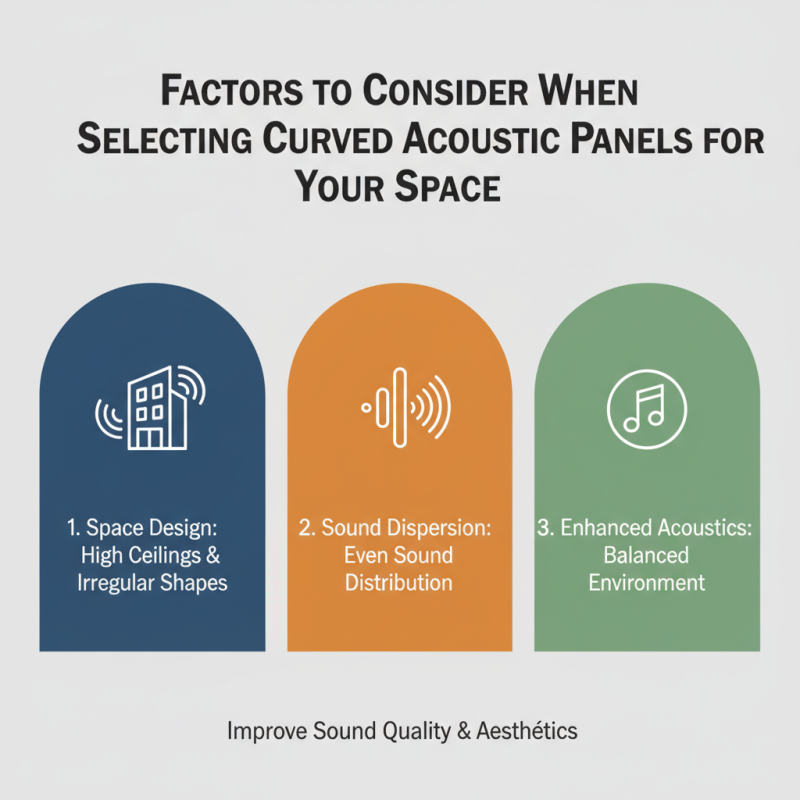
When selecting curved acoustic panels, it's essential to consider the design of your space. Curved panels can enhance sound quality in unique ways. Their shape allows sound waves to disperse evenly. This creates a more balanced acoustic environment. They are excellent choices for spaces with high ceilings or irregular shapes.
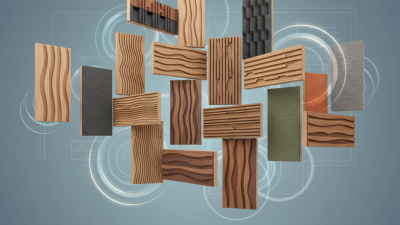
Material is another factor to ponder. Panels can be made from various materials, each affecting sound absorption differently. For instance, fabric-covered panels can absorb higher frequencies well. However, they might not be as effective in lower frequencies. It's crucial to align panel material with your specific acoustic needs.
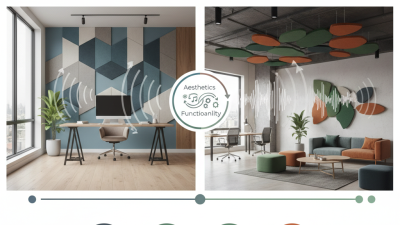
Lastly, aesthetics should never be overlooked. Curved acoustic panels are often visually striking. They can complement modern interiors beautifully. However, their design must fit seamlessly into your space. Reflecting on how these panels integrate with your overall room design is vital. Consider your artistic vision and the practical implications of your choices.