Top Wood Panel Wall Cladding Ideas for Interior Design in 2025
In the ever-evolving world of interior design, "Wood Panel Wall Cladding" continues to capture the hearts and imaginations of designers and homeowners alike. As we look towards 2025, the use of wood paneling is projected to take on innovative forms that beautifully marry sustainability with aesthetic appeal. Renowned interior design expert, Mark Jensen, states, "Wood Panel Wall Cladding not only enhances the visual warmth of a space but also contributes to creating a healthier indoor environment." This foresight sets the stage for a burgeoning trend that emphasizes natural materials and sustainable design practices.
Exploring the top wood panel wall cladding ideas for 2025 reveals a blend of traditional craftsmanship and modern technology. Designers are experimenting with various wood types, finishes, and installation techniques to create unique and personalized interiors. From dramatic accent walls to cohesive spaces, the versatility of wood paneling allows for endless possibilities. The incorporation of natural textures is becoming a focal point that connects indoor spaces with the tranquility of nature, making it an ideal choice for contemporary designs focused on well-being.
Ultimately, as we embrace a future influenced by eco-conscious trends, "Wood Panel Wall Cladding" stands out as a timeless and sustainable choice that aligns with the evolving tastes and values of consumers. The upcoming ideas promise to not only redefine aesthetics but also enhance the overall ambiance of interior environments, making wood paneling a staple in modern design.

Emerging Trends in Wood Panel Wall Cladding for 2025
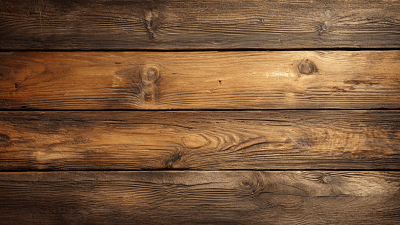
When it comes to interior design trends for 2025, wood panel wall cladding is set to take center stage, fusing natural aesthetics with modern functionality. One emerging trend is the use of reclaimed wood, which not only adds character and warmth but also promotes sustainability. Homeowners are increasingly looking for authentic materials that tell a story, and reclaimed wood meets this demand, evoking a sense of nostalgia while contributing to eco-friendly practices.
Another exciting development in wood panel cladding is the introduction of versatile finishes. Matte, smooth surfaces are gaining popularity, diverging from traditional glossy finishes. This subtle textural shift enhances the straightforward elegance of wood, allowing it to harmonize seamlessly with other design elements in the space. Additionally, bold colors in wood stains are making waves, offering an array of options for creating striking accent walls that break the mold of conventional designs.
Tips: When considering wood panel wall cladding, think about the lighting in your space. Natural light can change how wood colors appear, so testing samples in different settings is crucial. Moreover, experimenting with different orientations—horizontal versus vertical planks—can alter the perceived height and width of your room, adding depth or creating a more cozy atmosphere. Always prioritize the quality of wood to ensure longevity and a timeless feel to your interiors.
Sustainable Wood Materials Gaining Popularity in Interior Design
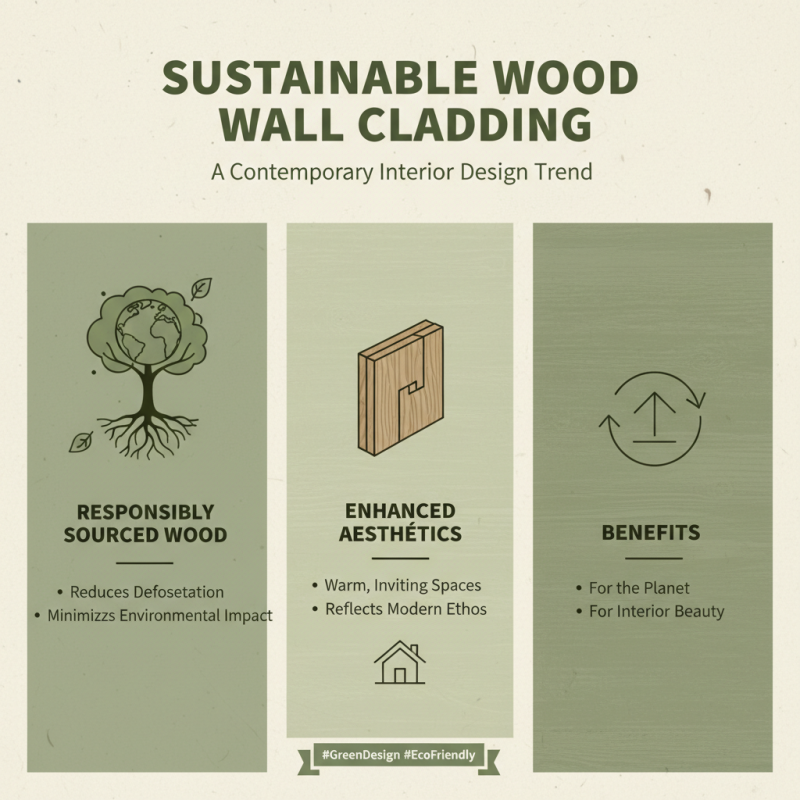
In recent years, the trend toward sustainable materials has gained significant traction in interior design, especially when it comes to wood panel wall cladding. As concerns over deforestation and environmental impact become more pronounced, designers are increasingly opting for responsibly sourced wood. This trend is not only beneficial for the planet but also enhances the aesthetic appeal of interior spaces, creating warm, inviting environments that reflect a contemporary ethos.
By 2025, we can expect a wider variety of sustainable wood materials to grace the interiors of homes and commercial spaces. From reclaimed wood that tells a story of its past to bamboo, one of the most rapidly renewable resources available, designers have a plethora of options that prioritize ecological integrity without sacrificing style. Additionally, the use of non-toxic finishes and adhesives further complements the sustainable approach, ensuring that the indoor air quality remains healthy while providing an elegant look. As the interior design landscape evolves, sustainable wood wall cladding will undoubtedly become an integral component, helping to shape spaces that are not only beautiful but also responsible.
Innovative Techniques for Installing Wood Panel Wall Cladding
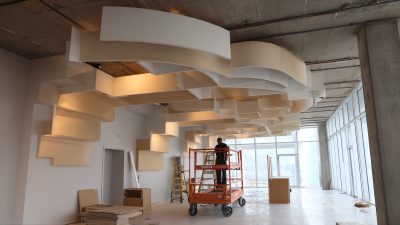
When it comes to installing wood panel wall cladding in 2025, innovative techniques have transformed traditional methods into more efficient and aesthetically pleasing practices. One of the most popular approaches involves the use of modular panels, which can simplify the installation process significantly. These pre-fabricated panels come in various sizes and finishes, allowing for quick integration into existing spaces. Homeowners and designers can achieve a seamless look while minimizing waste, as the panels are often designed to fit perfectly together, reducing the need for extensive cutting and adjustments.
Another groundbreaking technique is the application of interlocking systems that enhance the structural integrity of wood cladding. This method not only provides a stylish finish but also promotes better insulation and soundproofing for interior spaces. Utilizing clips and grooves allows for easy assembly without visible fasteners, resulting in a clean and modern aesthetic. Additionally, advancements in installation technology, such as laser-guided alignment tools, make it easier than ever to achieve precise placements, ensuring that the wood panels align perfectly and provide a polished, professional finish. These innovative techniques are redefining the way wood panel wall cladding is perceived and implemented in contemporary interior design.
Combining Colors and Textures in Wood Panel Designs
As we look ahead to 2025, the use of wood panel wall cladding in interior design is set to flourish, driven by the desire for warmth, character, and sustainability in residential and commercial spaces. One of the most compelling aspects of wood panel designs is the creative blending of colors and textures. Reports indicate that a significant 67% of interior designers believe that incorporating various wood finishes can enhance a space's depth and visual interest. Natural wood tones combined with painted finishes or textured treatments create layers that contribute to a more inviting atmosphere.
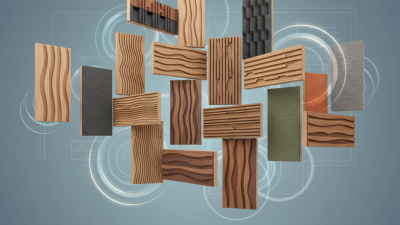
Moreover, the trend towards eco-friendly materials is increasingly influencing color selections in wood paneling. A survey by the Interior Design Association noted that 73% of respondents prefer using sustainably sourced wood, which allows for unique hues and distinctive grains. By combining lighter wood panels with darker, more textured finishes, designers can achieve a striking contrast that brings out the natural beauty of the materials. Additionally, using techniques like shiplap or vertical slats can further emphasize this interplay of colors and textures, transforming ordinary walls into dynamic focal points in any room.
As the year 2025 approaches, the emphasis on combining colors and textures in wood panel designs will be pivotal in shaping contemporary interior aesthetics. The versatility of wood, paired with innovative design practices, ensures that these cladding ideas will remain at the forefront of interior design trends, inviting creativity and personal expression in every space.
Incorporating Smart Technology with Wood Wall Cladding Solutions
In 2025, the fusion of smart technology and traditional materials like wood wall cladding is set to elevate interior design to new heights. Homeowners and designers alike are increasingly seeking ways to create living spaces that are both aesthetically pleasing and functional. By integrating smart technology within wood panel cladding, spaces can be transformed into highly adaptable environments that respond to the needs of their inhabitants. For example, wall panels can be equipped with sensors to adjust lighting, temperature, or even soundproofing based on the time of day or activity taking place in the room.
Moreover, the use of smart technology in wood wall cladding isn't just about convenience; it also enhances sustainability efforts. Innovative systems can monitor air quality and energy consumption, providing real-time feedback to homeowners. This not only promotes healthier living environments but also encourages energy efficiency by optimizing heating and cooling systems as needed. As technology continues to evolve, the possibilities for integrating smart features into wood cladding will expand, allowing for even more personalized and environmentally conscious interior design solutions.
Top Wood Panel Wall Cladding Ideas for Interior Design in 2025
This bar chart illustrates the predicted popularity ratings for various wood panel wall cladding features in 2025. Incorporating smart technology and emphasizing sustainable practices are expected to be the most important trends, highlighting a growing demand for innovative, environmentally-friendly design solutions.