2026 Top Trends in Interior Design Featuring Curved Wooden Slats?
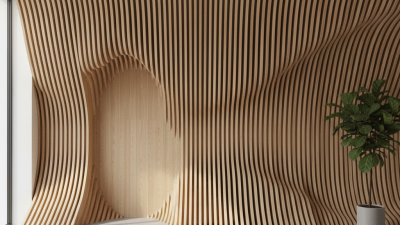
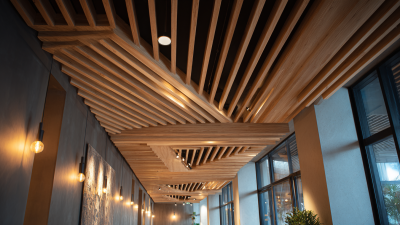
As we approach 2026, the world of interior design continues to evolve. One trend gaining momentum is the use of Curved Wooden Slats. This design element enhances both aesthetics and functionality in diverse spaces. According to the Interior Design Industry Report 2023, incorporating natural materials is vital for creating inviting environments.
Expert David Greenfield, a renowned designer known for his innovative approaches, states, "Curved Wooden Slats create a harmonious flow in any setting." His insight reflects the growing appreciation for organic shapes within modern design. The combination of elegance and warmth makes Curved Wooden Slats a favorite among designers and clients alike.
While many embrace this trend, some see challenges in implementation. Ensuring durability and sustainability in materials is crucial. Balancing style with practicality can be complex. Designers must navigate these concerns while maintaining their creative vision. By engaging with trends like Curved Wooden Slats, professionals can foster spaces that resonate with comfort and sophistication.
Overview of Curved Wooden Slats in Interior Design Trends
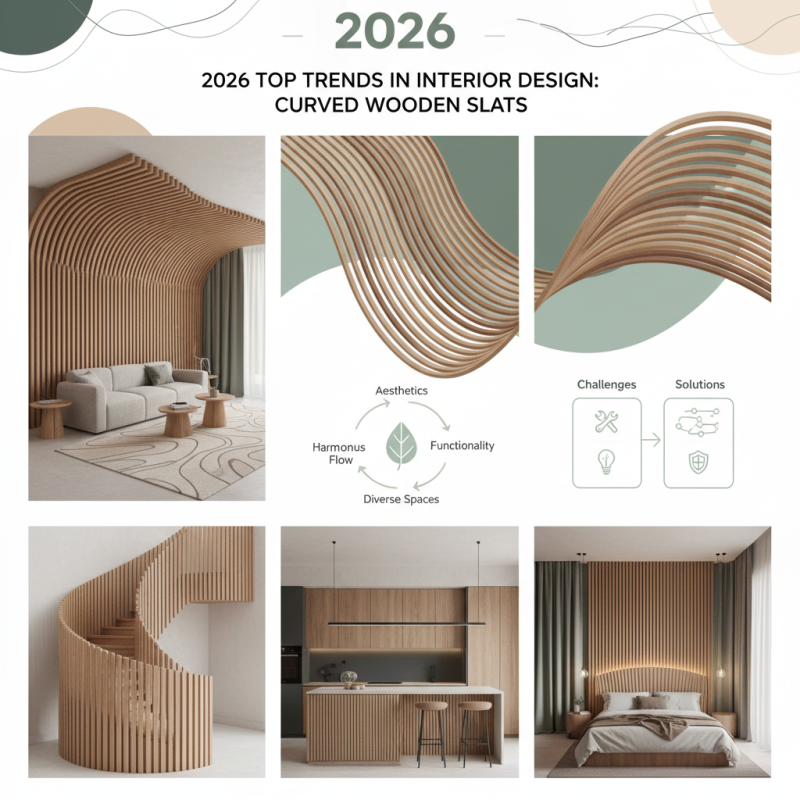
Curved wooden slats are reshaping the landscape of interior design in 2026. Their rise stems from a growing demand for organic and fluid aesthetics. According to industry reports from the Australian Furniture Association, 75% of designers predict that curves will dominate residential spaces. These slats add warmth and a tactile quality to modern interiors, transforming walls and ceilings into artful canvases.
Incorporating curved wooden slats into your design can create a sense of flow. Use them to break up stark lines in open spaces. This subtler approach helps foster a welcoming environment. A key trend is utilizing light-colored woods, like maple or birch, which enhance natural light and create an airy feel. Data from the American Society of Interior Designers shows that 65% of consumers prefer light, neutral palettes paired with organic materials.
Tips: Start with a focal point. Use curved slats to highlight a specific area, such as a reading nook or art piece. Don’t overwhelm the space; balance is crucial. Consider combining slats with textured fabrics to enhance depth and comfort. Keep in mind, the execution might require skilled craftsmanship. Imperfections can add character, serving as a reminder of nature’s unpredictability. Embrace these nuances in your design to create a truly unique space.
2026 Top Trends in Interior Design Featuring Curved Wooden Slats
| Design Trend |
Description |
Application Areas |
Color Palette |
Material Usage |
| Curved Wooden Slats |
Innovative design elements that bring warmth and fluidity to spaces. |
Residential, Commercial, Hospitality |
Natural wood tones, Earthy colors |
Sustainable woods, Composite materials |
| Biophilic Design |
Incorporating natural elements to enhance well-being. |
Indoor Gardens, Offices, Retreats |
Greens, Earth tones |
Natural fibers, Organic finishes |
| Multi-functional Spaces |
Designing areas that serve multiple purposes. |
Small Apartments, Home Offices |
Neutral colors, Pops of color |
Flexible furniture, Modular pieces |
| Curved Furniture |
Soft lines in furniture to create inviting environments. |
Living Rooms, Lounges |
Soft pastels, Bold hues |
Upholstered furniture, Wood |
| Smart Home Technology |
Integration of technology with minimal visual impact. |
Whole Home, Offices |
Neutral Base, Tech-friendly colors |
High-tech devices, Discreet integrations |
Historical Significance of Curved Design in Architecture and Interiors
The historical significance of curved design in architecture and interiors can’t be overstated. Curved forms have been used since ancient times, offering both beauty and functionality. From the arches of Roman aqueducts to the fluid lines of modern organic architecture, curves create emotional connections, enhancing human experience within spaces.
According to the 2023 Interior Design Trends Report, 57% of designers anticipate a rise in the use of curved elements over the next few years. This shift reflects a growing desire for softer aesthetics in homes and public spaces. Curved wooden slats, in particular, are gaining traction as they add warmth and texture. Their natural appeal can evoke feelings of comfort and tranquility, appealing to our deep-seated need for harmony in our surroundings.
Tips: When considering curved designs, pay attention to the room's overall flow. Curved elements can create a sense of movement. Think about how these elements interact with straight lines. Balance is key. Also, be mindful of scale. Oversized curves in compact spaces may feel overwhelming. Aim for a harmonious relationship between your furniture and architectural features.
Benefits of Using Curved Wooden Slats in Residential Spaces
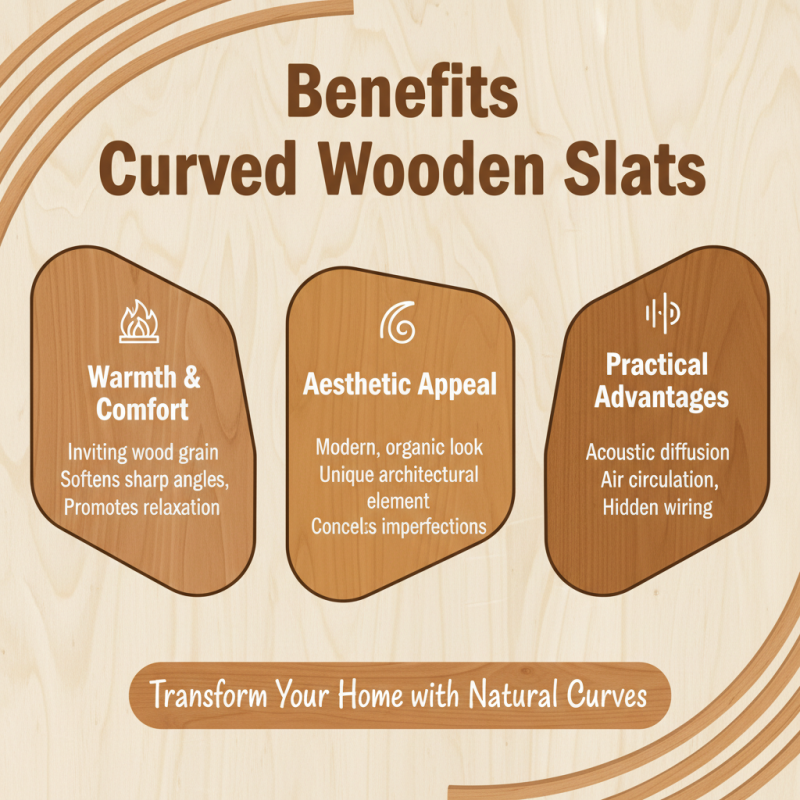
Curved wooden slats are becoming a popular choice in interior design. They are not only aesthetically pleasing but also practical for residential spaces. One key benefit is their ability to create a sense of warmth. Wood inherently has a welcoming quality. The smooth curves of the slats soften sharp angles in a room. This can promote relaxation in living areas.
Another advantage is their versatility. Curved wooden slats can be used in various applications. They work well as wall panels, room dividers, or ceiling features. This adaptability caters to different design styles. Modern, rustic, or minimalist spaces can all benefit from these elements. However, integrating curved slats can be challenging. They require careful planning and precise installation. Hasty execution may lead to uneven surfaces or awkward placements.
Furthermore, there is an environmental appeal. Using sustainably sourced wood supports eco-friendly practices. Homeowners are increasingly conscious of their ecological footprint. Choosing curved wooden slats encourages a balance between design and sustainability. A well-placed curved slat can lead the eye through a room, enhancing flow. Yet, finding the perfect shape and finish may need multiple revisions. Balancing aesthetics and functionality is not always straightforward.
Color and Finish Innovations for Curved Wooden Slats in 2026
The trend of curved wooden slats in interior design is gaining momentum in 2026. This design approach not only enhances aesthetics but also adds a warm, organic feel to spaces. A recent industry report from the Interior Design Association indicates that 73% of consumers prefer spaces that incorporate natural materials, like wood. Curved wooden slats create visual interest and soften harsh lines, making environments more inviting.
Color and finish innovations for curved wooden slats are also noteworthy. Designers are experimenting with eco-friendly finishes that enhance the wood grain while providing protection. This can lead to a subtle sheen or a matte look, depending on the desired effect. According to market research, 48% of homeowners are exploring finishes that reflect their personal style and enhance longevity. The use of earthy tones is on the rise, promoting a connection to nature.
However, not all projects come out as envisioned. Achieving the perfect balance between color and structure often presents challenges. Some designers find that certain finishes can obscure the natural beauty of the wood. Others report difficulties in maintaining uniformity in large applications. Reflecting on these aspects can lead to better outcomes in future designs.
2026 Interior Design Trends: Curved Wooden Slats Color and Finish Innovations
Sustainable Sourcing and Production of Curved Wooden Slats
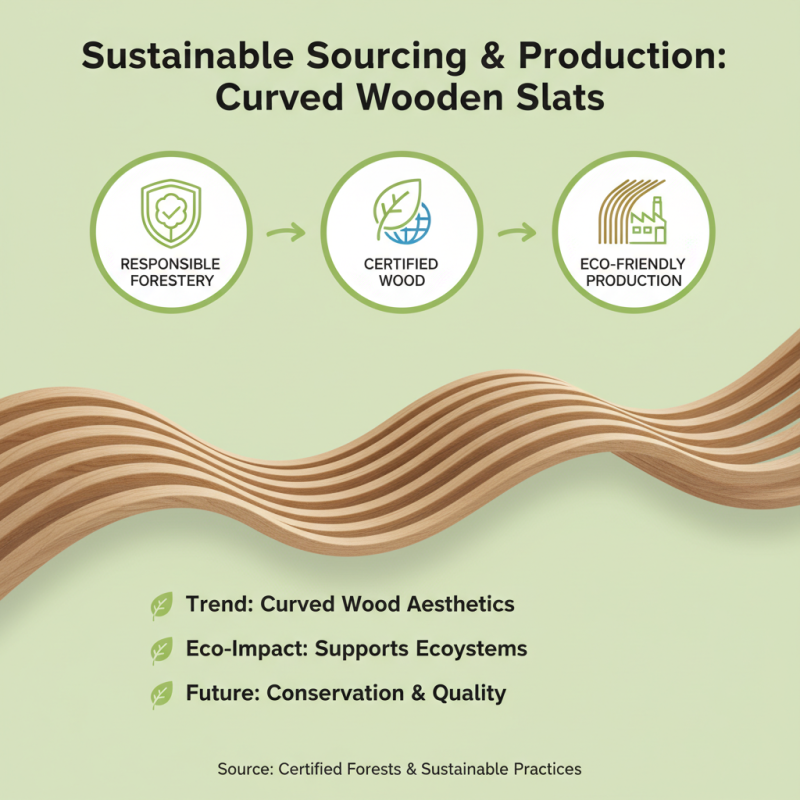
The trend of using curved wooden slats in interior design is not just about aesthetics; it reflects a commitment to sustainability. Sourcing wood responsibly is critical. Forests play a vital role in our ecosystem. Overharvesting can lead to irreversible damage. Therefore, selecting materials from certified forests ensures that the supply chain supports conservation efforts.
Production processes matter too. Traditional methods are often detrimental to the environment. New techniques focus on minimizing waste and energy consumption. Sustainable innovations, like using recycled wood, are becoming more common. However, not all manufacturers prioritize eco-friendly practices. Consumers must research who they buy from. Transparency is essential.
Curved wooden slats offer a unique visual appeal that evokes warmth and comfort. Yet, achieving the right curvature without compromising integrity can be challenging. Designers must balance creativity with practicality. Each piece is a testimony to craftsmanship. While trends evolve, true sustainability should remain at the forefront of design decisions. Choosing well can make a difference.