Top Soundproof Building Materials for a Quieter Home Environment?
In today's fast-paced world, noise pollution is a common struggle for many homeowners. A serene living space fosters comfort and well-being. This raises the importance of selecting the right Soundproof Building Materials. These materials not only reduce noise but also improve overall home quality.
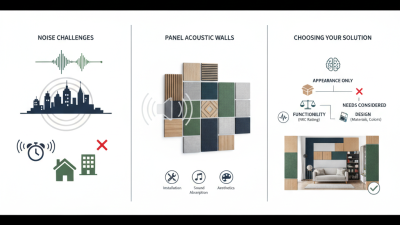
Choosing effective soundproofing solutions can be overwhelming. Many products claim to block sound, but effectiveness varies widely. Acoustic panels, soundproof windows, and specialized insulation are some options available. Each has unique properties and costs. Homeowners need to weigh these factors carefully.
Understanding sound transmission is crucial when selecting materials. Sound travels differently through air, walls, and floors. Therefore, a comprehensive approach is necessary to ensure a quieter home. Homeowners often overlook this complexity, leading to unsatisfactory results. Being informed about the best Soundproof Building Materials can prevent mistakes and create a more peaceful environment.
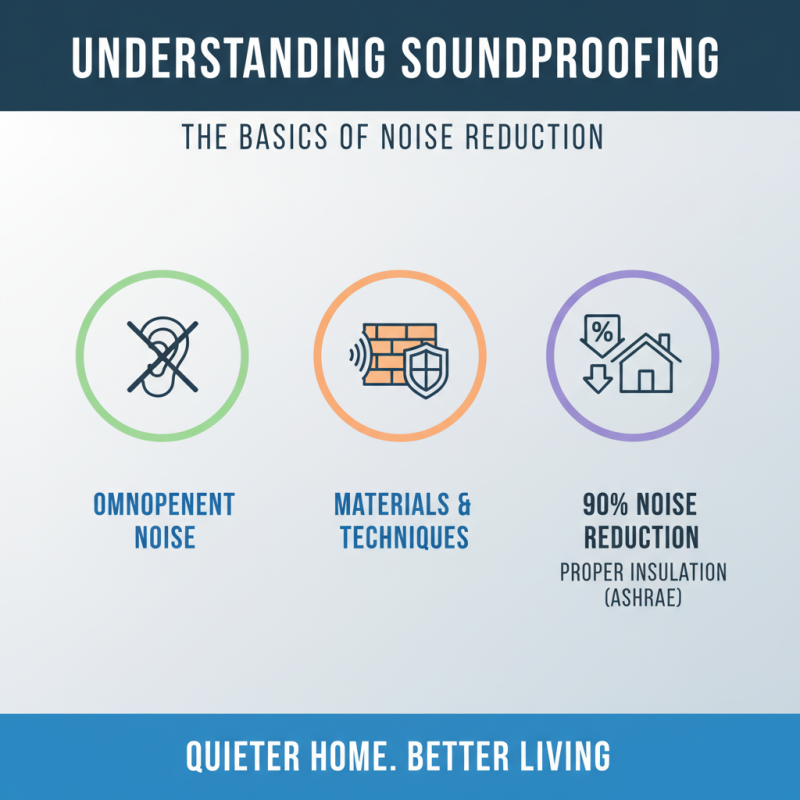
Understanding Soundproofing: The Basics of Noise Reduction
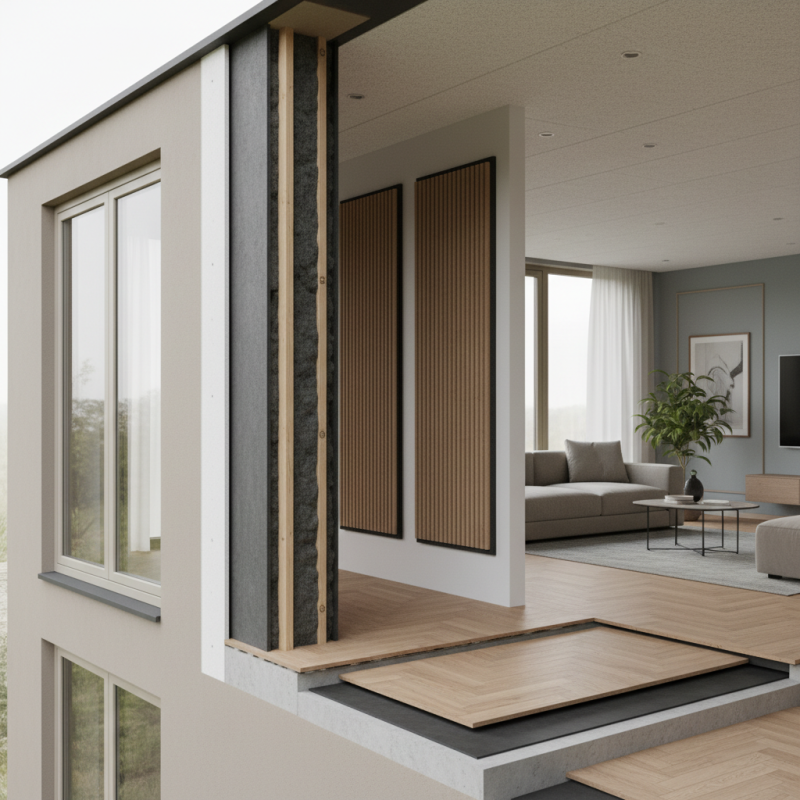
Noise is an omnipresent issue in our daily lives. Effective soundproofing requires a solid understanding of the materials and techniques available. According to the American Society of Heating, Refrigerating and Air-Conditioning Engineers (ASHRAE), proper insulation can reduce noise transmission by up to 90%. This statistic highlights the importance of selecting the right materials for a quieter home.
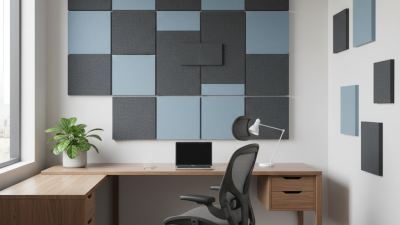
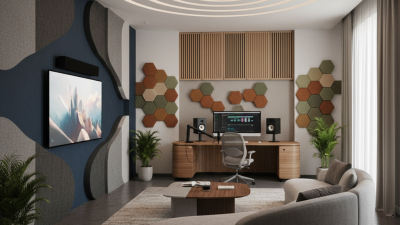
Common soundproofing materials include mass-loaded vinyl, acoustic panels, and insulation batts. Mass-loaded vinyl is dense and highly effective at blocking sound. Acoustic panels absorb sound waves, thus improving sound quality and reducing echo. Insulation batts in walls and ceilings can provide significant noise reduction, particularly in residential settings. A study from the National Institute of Standards and Technology emphasizes that installing quality insulation can lower sound transmission class (STC) ratings effectively.
Yet, many homeowners underestimate the impact of outside noise. The World Health Organization identifies noise pollution as a significant factor affecting health and well-being. While investing in effective materials is essential, it’s also crucial to assess existing structures’ weaknesses. Gaps around windows or doors can undermine soundproofing efforts. Critical reflection on these aspects can lead to better soundproofing choices in creating a comfortable living space.
Types of Soundproof Materials: An Overview of Options Available
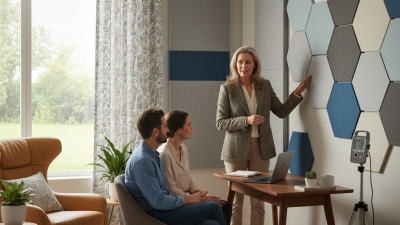
When choosing soundproof materials for a quieter home, understanding your options is crucial. Various materials can effectively reduce noise transmission. Acoustic panels, for instance, are designed to absorb sound and can be placed on walls and ceilings. A study by the National Institute of Standards and Technology (NIST) found that these panels can reduce noise levels by up to 50%.
Another popular choice is mass-loaded vinyl (MLV). This dense material can be added to walls and floors. It acts as a barrier against sound waves, significantly dampening noise. According to the Journal of Building Physics, using MLV can lead to a 30% to 50% decrease in sound transmission when installed correctly.
Some homeowners may opt for insulation materials like fiberglass or mineral wool. These options provide thermal benefits and soundproofing. Research from the Acoustical Society of America indicates that fiberglass insulation can reduce sound levels by around 25%. It's essential to consider the installation process, as improper placement can limit effectiveness. The best choice often depends on specific needs and architectural features of your home. Each option has advantages and potential drawbacks that warrant careful consideration.
Top Soundproof Building Materials for a Quieter Home Environment
| Material Type |
Description |
Soundproofing Rating (NRC) |
Installation Difficulty |
Cost ($/sq ft) |
| Acoustic Panels |
Fabric-covered panels that absorb sound waves. |
0.90 |
Easy |
2.00 |
| Soundproof Drywall |
Specially designed drywall to reduce noise transmission. |
0.70 |
Moderate |
3.50 |
| Mass Loaded Vinyl (MLV) |
A flexible, dense material used to block sound. |
0.75 |
Moderate |
2.50 |
| Soundproof Windows |
Windows designed to reduce outside noise. |
0.85 |
Difficult |
8.00 |
| Acoustic Insulation |
Insulation materials that help prevent sound transmission. |
0.80 |
Moderate |
1.50 |
Characteristics of Effective Soundproofing Materials
Effective soundproofing materials are essential for creating a quieter home environment. These materials not only absorb sound but also prevent noise from passing through walls and floors. Acoustic panels and soundproofing insulation are two of the most researched options. According to the National Association of Home Builders, proper insulation can reduce noise levels by up to 50%. This makes it vital for homeowners to choose the right products.
Characteristics of effective soundproofing materials include density, mass, and elasticity. Denser materials, like concrete and lead, provide excellent noise blocking. The Sound Transmission Class (STC) rating measures how well materials reduce sound. Products with an STC rating above 50 are considered effective for residential spaces. Additionally, elasticity can enhance sound absorption, minimizing echo and reverberation in living spaces.
The positioning of soundproof materials is crucial. Incorrect placement can significantly diminish their effectiveness. Areas near windows or doors often require additional attention. Homeowners sometimes overlook these details, leading to unsatisfactory results. Therefore, thorough research and professional advice are recommended for optimal soundproofing results. An understanding of material characteristics can guide better choices for a serene living experience.
Installation Techniques for Optimal Soundproofing Performance
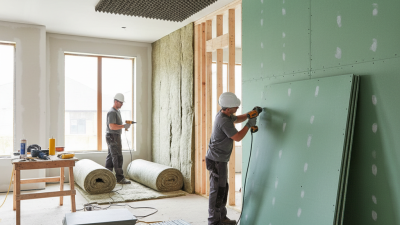
When it comes to soundproofing a home, installation techniques play a crucial role. Properly positioned insulation can significantly reduce sound transmission. For instance, using resilient channels can create space between drywall and studs. This diminishes vibrations that travel through walls. Additionally, using mass-loaded vinyl can add weight to walls, enhancing their sound-dampening properties. Ensure that the vinyl is properly sealed to prevent sound leakage.
Sealing gaps is another essential technique. Even small openings can compromise soundproofing efforts. Use acoustic caulk to fill gaps around windows and doors. Pay close attention to electrical outlets and light switches; these are often overlooked. Installing soundproof doors can further enhance your space's quietness. Selecting the right door material can make a significant difference in sound isolation.
Experimenting with different materials and methods can lead to unexpected results. Not every technique will work perfectly for every space. Sometimes, blending various approaches yields the best outcome. Regular reassessment of the soundproofing performance is crucial. This will help identify areas needing further improvement. Being open to trial and error can lead to a more peaceful environment.
Top Soundproof Building Materials for a Quieter Home Environment
Cost Considerations and Choosing the Right Soundproofing Material
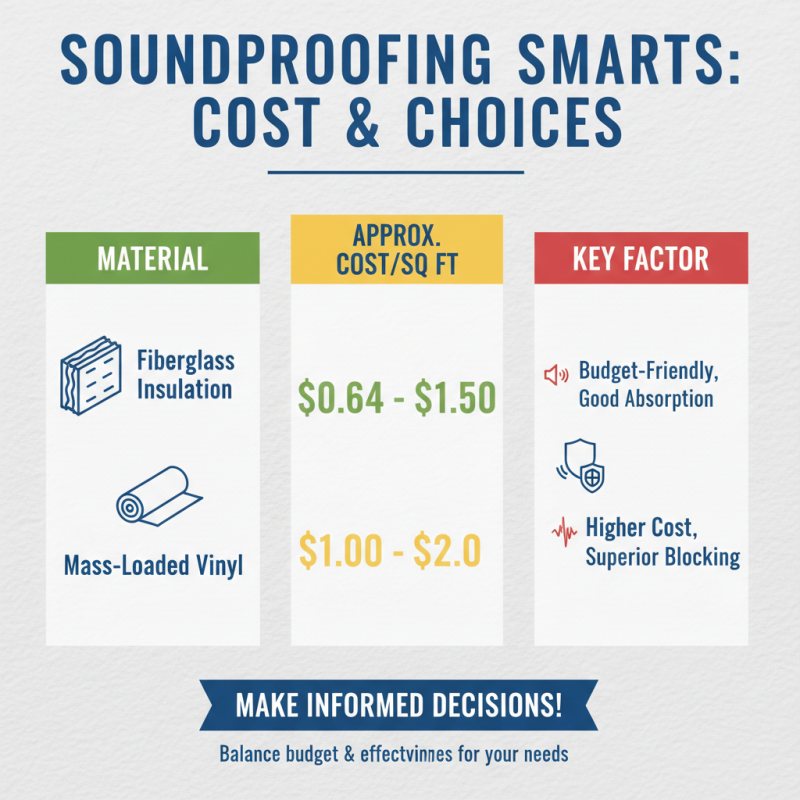
When selecting soundproof building materials, cost considerations are crucial. Each material varies significantly in price and effectiveness. For instance, fiberglass insulation can cost approximately $0.64 to $1.50 per square foot. In contrast, mass-loaded vinyl may range from $1.00 to $2.00 per square foot. Understanding the financial implications helps homeowners make informed decisions.
Acoustic panels are another effective option, costing between $2.00 and $5.00 each, depending on thickness and size. They absorb sound and reduce echoes, enhancing comfort. However, investing more upfront can lead to better long-term results. Expert studies indicate that high-density materials tend to provide better soundproofing at slightly higher costs.
**Tips:** Consider layering materials for improved effectiveness. Combining different types, like panels and insulation, can achieve a significant reduction in noise. Always factor in installation costs. Often, DIY methods can save money, but improper installation may reduce soundproofing effectiveness. Reliable data shows that professional installation can enhance performance by up to 30%.