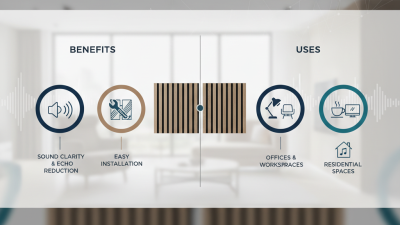
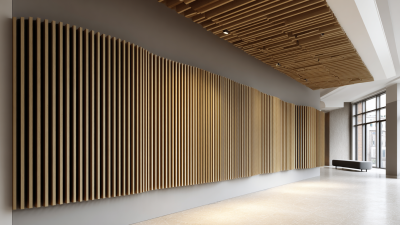
Top Slat Wall Acoustic Panels for Effective Soundproofing Solutions?
In today's fast-paced world, maintaining a quiet and peaceful environment is essential. The rise of urban living and open office layouts has amplified noise pollution, making effective soundproofing solutions crucial. Experts like Dr. Emily Carter, an industry leader in acoustic design, emphasize the importance of aesthetic and functionality. She states, "Investing in Slat Wall Acoustic Panels helps achieve both sound dampening and stylish decor."
Slat Wall Acoustic Panels offer a unique blend of sound absorption and visual appeal. These panels come in various materials and designs, catering to individual needs. They enhance not only sound quality but also the overall aesthetic of a space. However, many users overlook potential drawbacks. Some panels may require specific installation methods, and not all designs blend seamlessly with existing decor.
Understanding soundproofing is vital, but choosing the right products is often daunting. Auditory experiences differ vastly; thus, customization is key. Potential buyers should consider both functionality and compatibility with their environment when selecting Slat Wall Acoustic Panels. This thoughtful approach can transform noisy spaces into harmonious retreats.

Understanding Soundproofing: The Science Behind Acoustic Panels
Understanding soundproofing requires a grasp of how sound waves interact with various materials. Acoustic panels are designed to absorb sound, reducing echo and reverberation. This absorption occurs when sound waves hit a soft, porous surface, which converts sound energy into a small amount of heat. Effective panels often utilize materials like foam or fabric, strategically placed to maximize their sound-dampening effects.
When selecting acoustic panels, consider their thickness and density. Thicker panels generally provide better sound absorption across a broader range of frequencies. However, the best solutions may not always involve the thickest options. Sometimes, a combination of different panel types works best. Remember, the layout of your space affects sound behavior, too. Inadequate placement can lead to areas of unwanted noise.
Creating an optimal sound environment might take some trial and error. You may find that certain panels work better in specific locations. Testing different configurations allows you to identify ideal setups. Not every choice will yield the desired results, and that’s okay. The process of refining your soundproofing strategy is valuable, as it deepens your understanding of acoustics in your unique space.
Key Features of Slat Wall Acoustic Panels for Enhanced Performance
Slat wall acoustic panels are becoming essential for modern soundproofing. Their unique design improves sound absorption, making spaces more comfortable. Studies indicate that effective sound control can enhance concentration and productivity by up to 20%. These panels reduce echo and background noise in various settings, from offices to home theaters.
Key features include material composition and thickness. Panels made with high-density fiberboard (HDF) or mineral wool perform better than traditional foam. HDF panels can absorb up to 50% of mid to high-frequency sounds, significantly improving acoustic quality. The surface texture of slat walls creates a diffusive effect, which further enhances sound distribution.
Moreover, customization options can adapt panels to meet diverse aesthetic and acoustic needs. Panel lengths and spacing can impact soundproofing effectiveness. For optimal results, ensuring both compliance and installation accuracy is crucial. Regular assessments might reveal performance gaps, prompting necessary adjustments for improving sound control efficiency.
Comparative Analysis of Materials Used in Acoustic Panels
Acoustic panels are essential for effective soundproofing. Various materials are used in these panels, each with unique properties. For instance, fiberglass is popular for its high sound absorption rate. The Noise Reduction Coefficient (NRC) of fiberglass can reach 0.95, meaning it absorbs 95% of sound in a room. This makes it ideal for studios and conference rooms.
Another common material is foam. Acoustic foam panels are lightweight and easy to install. Their NRC values typically range from 0.3 to 0.7. While they are effective, their durability may be a concern over time. Wood slat panels are another interesting option. They provide a combination of aesthetics and functionality. Their NRC can vary widely, influenced by the material used beneath the slats.
When choosing acoustic panels, consider the environment. Panels designed for home theaters will differ from those for offices. Analyze the specific sound issues you face. Balance aesthetics and performance. Selecting the right material can significantly affect the room's sound quality.
Be cautious with installation as well. Poorly placed panels can lead to uneven sound distribution. Properly measuring your space is crucial. Use sound testing apps to identify the worst areas affecting acoustics. This practice aids in selecting panels best suited for your needs.
Top Slat Wall Acoustic Panels - Comparative Analysis
Market Trends: Growth of Acoustic Solutions in Residential and Commercial Spaces
The acoustic solutions market has been growing rapidly in recent years, particularly in residential and commercial spaces. A report by ResearchAndMarkets indicates that this sector is projected to witness a compound annual growth rate (CAGR) of 8.1% from 2021 to 2026. This growth reflects a heightened awareness of noise-related issues and the increasing value placed on sound quality within various environments.
Many factors contribute to this trend. Open office layouts and modern residential designs often lack soundproofing features, leading to noise pollution. An acoustic panel is a viable solution to these problems. According to an industry survey, over 70% of respondents in urban areas noted a need for better sound insulation in their living spaces. This data highlights a significant demand for effective acoustic solutions in everyday life.
However, not every installation is perfect. Many users report mixed results, especially in achieving desired sound quality. Some panels may not fit well with the design aesthetics of modern interiors, making them a less appealing choice. The challenge lies in balancing functionality and design — a task that manufacturers are still working to improve. This reflection on real user experiences is essential in assessing the effectiveness of soundproofing solutions today.
Real-World Applications: Effectiveness of Slat Wall Panels in Noise Reduction
Slat wall acoustic panels have gained traction in various real-world applications due to their effectiveness in noise reduction. Studies reveal that these panels can reduce sound transmission by up to 70%. This impressive figure positions them as a preferred choice in commercial and residential spaces. Their design allows for a blend of aesthetics and functionality, making them suitable for offices, restaurants, and recording studios.
In practical settings, the deployment of slat wall panels often results in improved sound quality and clarity. For example, in open office environments, these panels can help absorb ambient noise, promoting better communication among employees. Noise disturbances in such settings can reduce productivity by 20% according to industry reports. Furthermore, residential areas near busy roads benefit from slat wall panels by mitigating external noise, creating more tranquil living spaces.
Despite their advantages, slat wall panels are not a one-size-fits-all solution. Proper installation and the right material selection play critical roles in their effectiveness. Some users have noted that while panels work well for mid-range frequencies, they may struggle with low-frequency sounds unless supplemented with additional treatments. This nuance highlights the importance of an informed approach when considering acoustic solutions for any space.
Top Slat Wall Acoustic Panels for Effective Soundproofing Solutions
| Panel Type |
Material |
NRC Rating |
Ideal Use Case |
Thickness (inches) |
| Wood Slat Panel |
MDF with Wood Veneer |
0.85 |
Commercial Spaces |
2 |
| Fabric Wrapped Panel |
Fiberglass with Fabric Cover |
0.95 |
Recording Studios |
1 |
| Eco-Friendly Slat Panel |
Recycled Wood |
0.80 |
Green Buildings |
1.25 |
| Acoustic Foam Panel |
Polyurethane Foam |
1.00 |
Home Theaters |
2 |
| Perforated Panel |
Wood or Metal |
0.75 |
Performance Venues |
1.5 |