Top 10 Interior Acoustic Panels for Optimal Sound Control?
In today's world, the significance of sound control in interior spaces cannot be overstated. Proper acoustics enhance both comfort and productivity. According to John Smith, a renowned expert in acoustic design, "The right interior acoustic panels can transform a chaotic space into a haven of tranquility." This highlights the essential role of Interior Acoustic Panels in modern architectural design.
Many people underestimate the impact of sound quality on their environment. Noisy spaces can hinder communication and cause stress. Selecting the right Interior Acoustic Panels is crucial for achieving an optimal acoustic balance. These panels come in various designs and materials, allowing for both functional and aesthetic integration into any space. Choosing wisely can improve focus and well-being.
However, not all panels are created equal. Overwhelmed by options, some may fail to prioritize material quality or installation methods. The right choice requires careful consideration and expert advice. Reflecting on acoustic needs can lead to better decisions. Exploring the top 10 interior acoustic panels might just reveal the perfect fit for transforming your space.

Types of Acoustic Panels and Their Functions in Sound Control
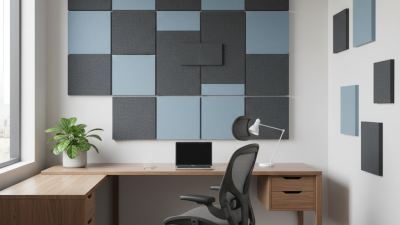
Acoustic panels are essential for controlling sound in any space. Different types serve various functions in sound absorption, diffusion, and reflection. Foam panels are great for reducing echo in home studios. Fabric-wrapped panels provide a stylish option while effectively dampening noise. Wooden panels often blend aesthetics with functionality, helping to create a balanced sound environment.
Tips: To maximize the effectiveness of acoustic panels, consider their placement. Corners tend to trap sound, so adding panels there can make a significant difference. Treating first reflection points on walls is also crucial for sound clarity.
Reflecting on the variety of acoustic panels, it's critical to evaluate your needs. Some may require more sound absorption, while others focus on maintaining sound quality. Mixing different types in a single space can yield unexpected results. Understanding the sound dynamics of your room can lead to better choices. Don't hesitate to experiment until you find the ideal setup for your needs.
Top 10 Interior Acoustic Panels for Optimal Sound Control
Benefits of Using Acoustic Panels for Interior Environments
Acoustic panels significantly enhance sound control in interior spaces. They reduce noise levels by absorbing sound waves. According to a study by the Acoustical Society of America, over 50% of noise complaints in urban environments stem from poor acoustic treatment. Using these panels can mitigate such issues, creating a more pleasant atmosphere.
One major benefit is improved speech clarity. In busy offices or classrooms, backgrounds can drown out conversations. Research from the National Institute of Standards and Technology shows that effective sound control can lead to a 30% increase in productivity. People communicate better and focus more when they can hear clearly.
However, not all panels are equally effective. Installation location and material choice matter greatly. Many people overlook the importance of customizing solutions for specific environments. It's essential to assess your unique needs and spaces. Without careful consideration, even the best materials can fail to deliver desired results.
Factors to Consider When Choosing Acoustic Panels
Choosing the right acoustic panels for optimal sound control involves several key factors. The primary consideration is material. Panels can be made from foam, fiberglass, or wood. Each material has distinct sound absorption qualities. Research shows that fiberglass panels provide better sound absorption in a broader frequency range. A study by the Acoustical Society of America indicates that thicker panels often yield greater sound control.
Another crucial factor is panel placement. The location where you install panels heavily influences their effectiveness. Corners are notorious for sound wave buildup. Placing panels strategically, such as in corners and on walls, can significantly minimize reverberation. Height also matters—installing panels at ear level ensures they're most effective.
Tip: Test different placements. What worked for one room may not suit another. Pay attention to how sounds change. Your space's layout might require a unique solution.
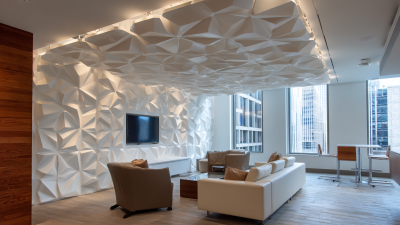
Lastly, aesthetics shouldn't be overlooked. Acoustic panels come in various colors and patterns. Integrating sound control with design enhances your room's ambiance. However, striking a balance between functionality and style can be challenging.
Tip: Seek inspiration. Browse design trends online. Real-life examples can spark innovative ideas. But remember, balance is key.
Top Brands and Products for Interior Acoustic Panels
Choosing the right acoustic panels can be nuanced. Many people overlook the importance of material and design. High-density fiber panels absorb sound effectively, reducing echo. Soft fabrics are visually appealing and can enhance room aesthetics. Consider how the panel’s texture interacts with your space.
When researching, look for products tested in real environments. Some brands offer eco-friendly options, which are increasingly popular. They achieve sound control without compromising air quality. Review customer feedback for insights; practical experiences reveal strengths and weaknesses.
Budget is another critical factor. Investing more often leads to better performance and longevity. Remember, not all panels are created equal. Sometimes, a simple solution can be less than ideal in a noisy environment. Explore various options and think about your specific needs carefully.
Installation and Maintenance Tips for Optimal Performance
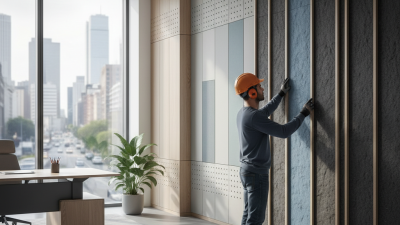
Proper installation of acoustic panels is crucial for sound control. A well-executed setup maximizes their effectiveness. First, identify the optimal locations on walls or ceilings. Look for areas where sound reflects. Measure the dimensions of the panels carefully. Accurate placement ensures that they absorb sound waves efficiently.
Maintenance is often overlooked but essential for long-term performance. Dust and debris may accumulate on the panel surface over time. Regular cleaning with a soft cloth or vacuum helps maintain their appearance and functionality. Avoid using harsh chemicals that can damage the material. Additionally, inspect panels periodically for any signs of wear or damage. Prompt repairs will help sustain their acoustical qualities.
Consider seeking professional installation if you are uncertain about DIY approaches. Incorrectly placed panels may lead to poor sound absorption. It’s vital to reflect on your choices to achieve the desired acoustic environment. Consulting experts can provide insights that enhance your overall sound experience.