2025 Top 5 Fluted Acoustic Panels for Soundproofing and Design
In the realm of interior design and sound management, the quest for effective soundproofing solutions has led to the rise of innovative materials and products. Among these, Fluted Acoustic Panels have gained significant attention for their aesthetic appeal and functionality. As architects and designers increasingly prioritize both form and function, these panels have proven to be a versatile choice, ideal for a variety of spaces—from offices to entertainment venues.
This article presents an insightful overview of the 2025 top five fluted acoustic panels that not only enhance sound quality but also elevate the design of any environment. By exploring the unique features and benefits of each panel, we aim to guide readers in making informed decisions that marry acoustic efficiency with stylish aesthetics. Whether you're a professional in the field or a homeowner looking to improve your space, understanding the impact of fluted acoustic panels can transform your approach to sound management and interior design.
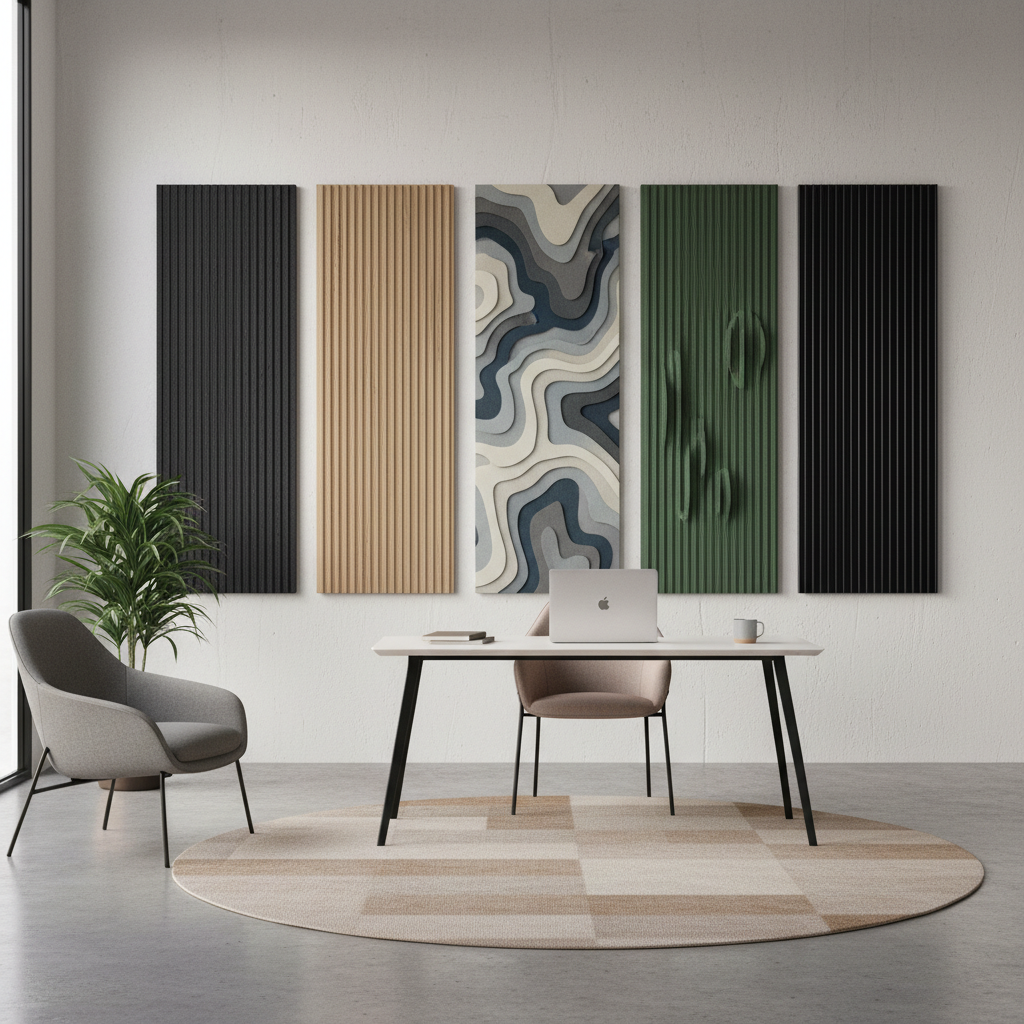
Top 5 Fluted Acoustic Panels of 2025: Innovative Designs for Superior Sound Absorption
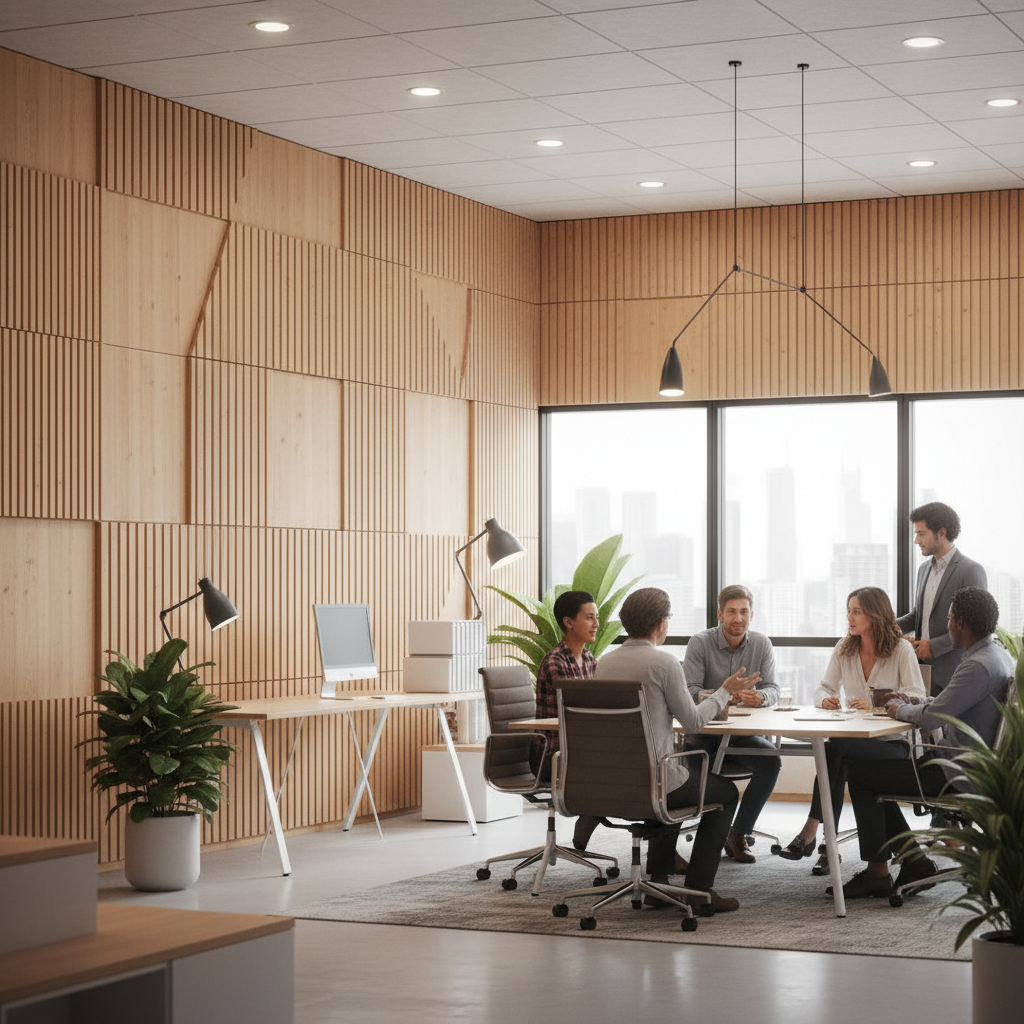
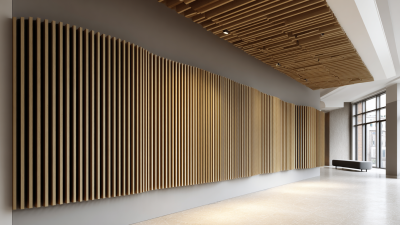
In 2025, the quest for innovative acoustic solutions has led to the emergence of fluted acoustic panels that seamlessly blend soundproofing with modern design. These panels are not just functional; they are crafted to enhance the aesthetic appeal of any space. With their distinctive grooves and textures, fluted panels not only absorb sound effectively but also serve as striking decorative elements. The interplay of light and shadow across their surfaces creates a dynamic visual impact, making them a popular choice for both residential and commercial interiors.
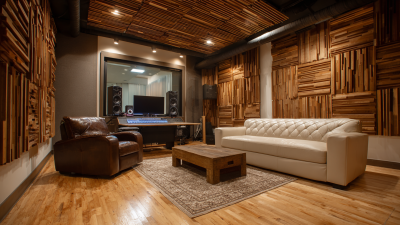
Top manufacturers are pushing the boundaries of design by introducing sustainable materials and customizable options. These advancements ensure that consumers can find panels that fit their specific sound absorption needs while complementing their design preferences. Whether used in offices to reduce echo, in home theaters for optimal sound quality, or in restaurants to create a more inviting atmosphere, these panels have become essential tools in the pursuit of acoustic excellence. As we explore the top selections of 2025, it is evident that fluted acoustic panels represent a significant step forward in merging functionality with style.
2025 Top 5 Fluted Acoustic Panels for Soundproofing and Design
| Panel Model |
Material |
Dimensions (inches) |
Sound Absorption Coefficient (NRC) |
Design Features |
| Model A |
Wood Fiber |
24 x 48 |
0.95 |
Sustainable wood finish |
| Model B |
Fabric Wrapped |
60 x 24 |
0.90 |
Customizable colors |
| Model C |
Recycled Plastic |
48 x 48 |
0.92 |
Eco-friendly design |
| Model D |
Melamine Foam |
24 x 24 |
0.87 |
Lightweight and durable |
| Model E |
Cork |
36 x 36 |
0.85 |
Natural aesthetic |
Evaluating Acoustic Performance: Sound Absorption Coefficients of Fluted Panels
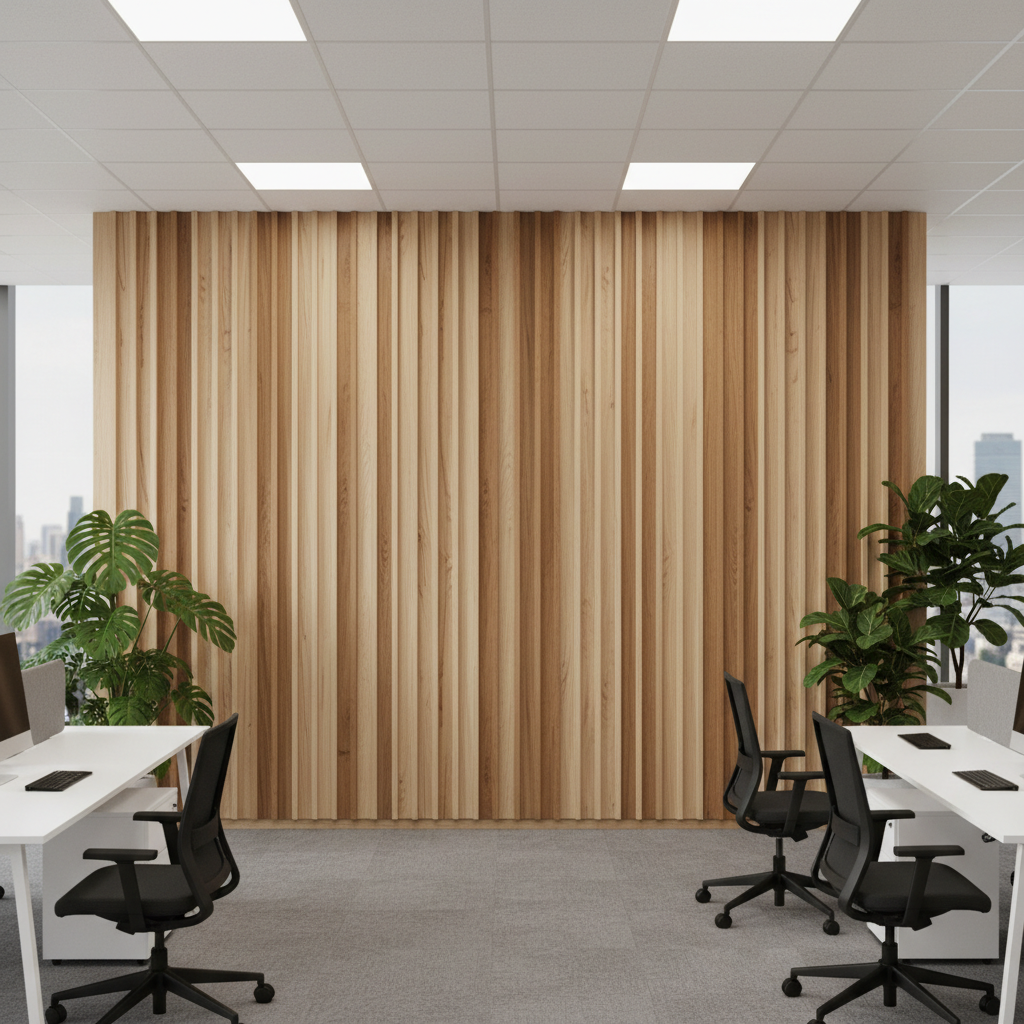
Fluted acoustic panels have gained prominence in modern interior design due to their impressive combination of soundproofing qualities and aesthetic appeal. To fully understand their effectiveness, it is crucial to evaluate their acoustic performance, particularly the sound absorption coefficients that dictate how well these panels can mitigate noise.
According to a report by the Acoustical Society of America, fluted panels typically demonstrate higher sound absorption in mid to high-frequency ranges, making them ideal for environments such as offices, restaurants, and recording studios where clarity of sound is vital.
Recent studies indicate that the average sound absorption coefficient of quality fluted panels can reach values between 0.80 to 0.95 at 1kHz frequency, signifying outstanding performance in reducing auditory distractions. The geometric design of the flutes allows for enhanced airflow and sound wave manipulation, which contributes to these superior absorption rates. Moreover, industry standards outline that a coefficient of 0.70 or higher is typically deemed effective for sound absorption, positioning fluted acoustic panels as a top choice for those seeking both functionality and style in their soundproofing solutions.
Aesthetic Appeal: How Design Trends Influence the Selection of Acoustic Panels
The selection of acoustic panels for soundproofing is increasingly influenced by aesthetic trends in interior design. As more users recognize the dual importance of functionality and style, manufacturers are responding by creating panels that not only minimize noise but also enhance the visual appeal of a space. According to a recent industry report from MarketsandMarkets, the acoustic panels market is projected to grow from $830 million in 2021 to $1.12 billion by 2026, reflecting a clear trend towards integrating design with soundproofing.
In particular, fluted acoustic panels have emerged as a popular choice, thanks to their unique textures and modern look. Designers are leveraging these panels to create visually striking environments while achieving optimal sound absorption. A study by the Acoustical Society of America indicates that well-designed acoustic treatments can improve the acoustic environment in various settings by up to 30%, making the combination of aesthetics and functionality not just appealing but essential in spaces such as restaurants, offices, and homes. As the line between sound control and design continues to blur, selecting acoustic panels based on their visual and acoustic performance will play a crucial role in future interior design.
2025 Top 5 Fluted Acoustic Panels for Soundproofing and Design
This chart displays the acoustic performance (in Noise Reduction Coefficient) and aesthetic appeal ratings (on a scale from 1 to 10) of the top 5 fluted acoustic panels for the year 2025. The data reflects a growing trend in which design considerations significantly influence product selection in acoustic solutions.
Sustainable Materials: Eco-Friendly Options in the 2025 Acoustic Panel Market
In the ever-evolving acoustic panel market of 2025, a strong focus on sustainability is driving innovation. Eco-friendly materials are increasingly favored, not only for their acoustic properties but also for their minimal environmental impact. As consumers become more environmentally conscious, manufacturers are responding by incorporating recycled and renewable resources into their designs. This trend promotes a healthier living and working environment while contributing to the global effort of reducing waste.
When choosing fluted acoustic panels, consider materials such as bamboo and recycled textiles. Bamboo is gaining traction due to its rapid growth and renewability, making it an ideal choice for sustainable construction. Additionally, panels made from recycled materials can effectively minimize the carbon footprint of your building's design.
Tips: Always check the product specifications for eco-certifications to ensure that your acoustic panels meet sustainable standards. Also, look for manufacturers that prioritize transparency in their sourcing and production processes, as this can greatly influence the environmental impact of the panels chosen. By selecting eco-friendly options, not only do you enhance sound quality but also contribute to a greener future.
Cost-Effectiveness: Analyzing ROI on Fluted Acoustic Panels for Commercial Spaces
When considering soundproofing solutions for commercial spaces, fluted acoustic panels stand out not only for their aesthetic appeal but also for their cost-effectiveness. As businesses strive to create environments conducive to productivity, the return on investment (ROI) associated with these panels becomes increasingly significant. The unique design of fluted panels allows them to absorb sound waves effectively, reducing noise levels and improving overall acoustic quality. This enhancement contributes not only to a more pleasant atmosphere for employees and clients but also can lead to increased productivity and satisfaction.
In terms of ROI, the initial investment in fluted acoustic panels can be outweighed by the long-term benefits they provide. For instance, improved acoustics can lead to enhanced communication, reduced errors during meetings, and a more focused work environment. Additionally, the attractive design of these panels can elevate the aesthetic of a commercial space, potentially attracting more clients and customers. Businesses should consider not just the upfront costs, but also how investing in quality acoustic solutions can yield financial benefits over time through increased efficiency, client retention, and a better overall atmosphere.