2026 Top Curved Acoustic Panels For Soundproofing Spaces?
Curved Acoustic Panels have become essential in modern soundproofing solutions. As spaces evolve, so do our needs for effective noise reduction. According to Dr. Emily Sutherland, a leading expert in acoustic engineering, "Curved Acoustic Panels are revolutionizing the way we manage sound in our environments."
These panels offer unique advantages, such as their ability to diffuse sound waves more effectively than traditional flat options. Their design allows them to blend seamlessly into various spaces while enhancing aesthetic appeal. However, not all curved panels are created equal. Factors like material quality and installation can greatly impact performance.
Reflecting on the industry, it's clear that while progress has been made, there is still much to learn. Many consumers face challenges in selecting the right panels. It's crucial to consider not only the look but also how these panels interact with sound dynamics. Curved Acoustic Panels may offer solutions, but research and expertise are vital for optimal results.
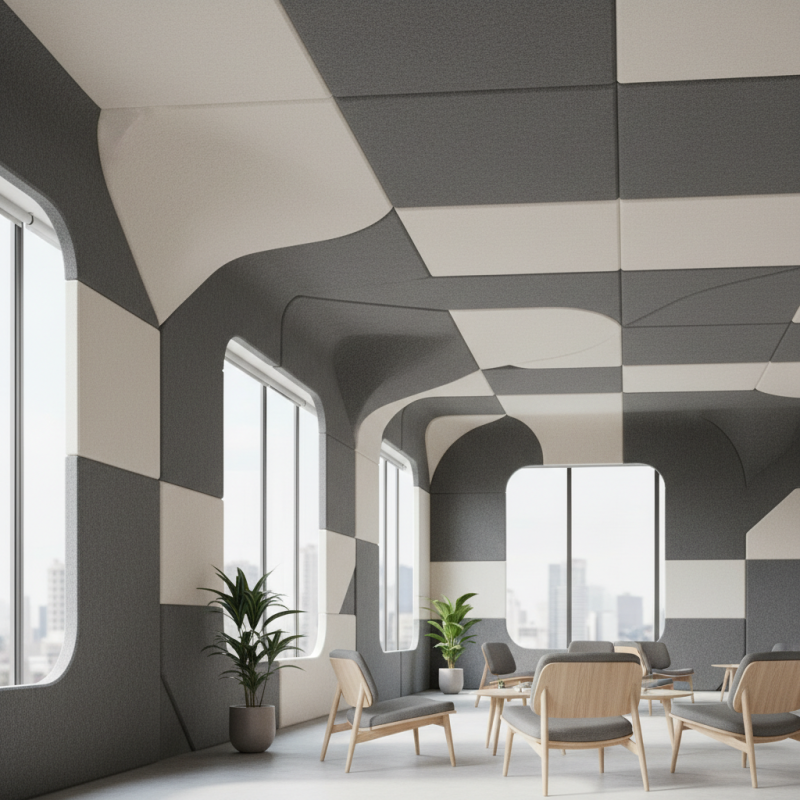
Understanding Curved Acoustic Panels: Design and Functionality
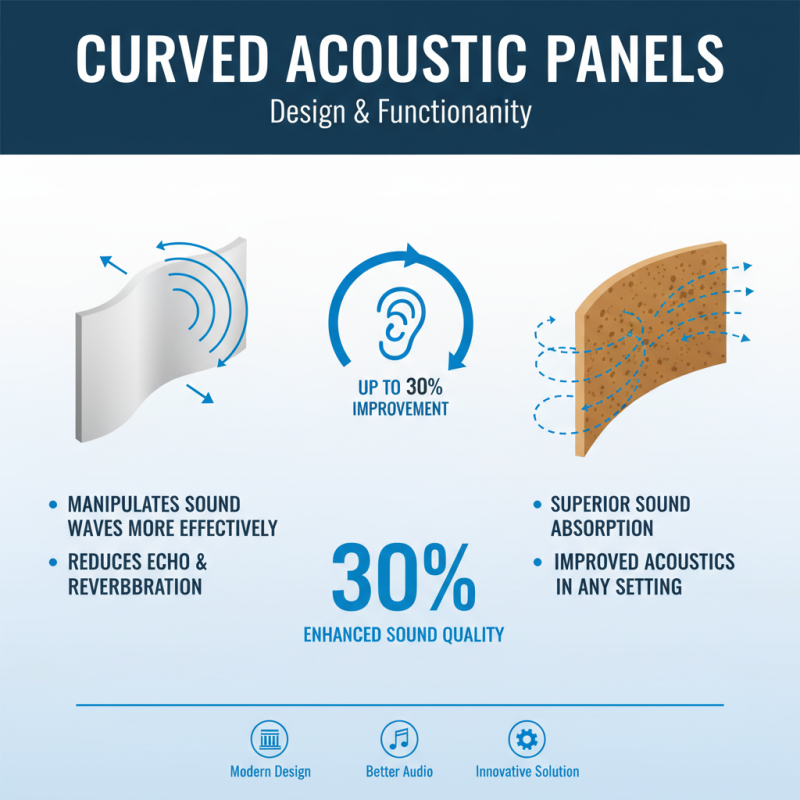
Curved acoustic panels have gained traction in modern design, blending aesthetics with functionality. These panels create a unique solution for controlling sound reflection and absorption. Unlike traditional flat panels, they manipulate sound waves more effectively. Reports indicate that curved panels can enhance sound quality by up to 30% in various settings.
The principles of curved design maximize surface area, allowing for better sound dispersion. According to recent studies, such panels reduce echo significantly in venues like offices, theaters, and homes. A well-placed curved panel can transform a noisy space into an acoustic haven. However, improper installation can diminish their effectiveness, necessitating professional assessment.
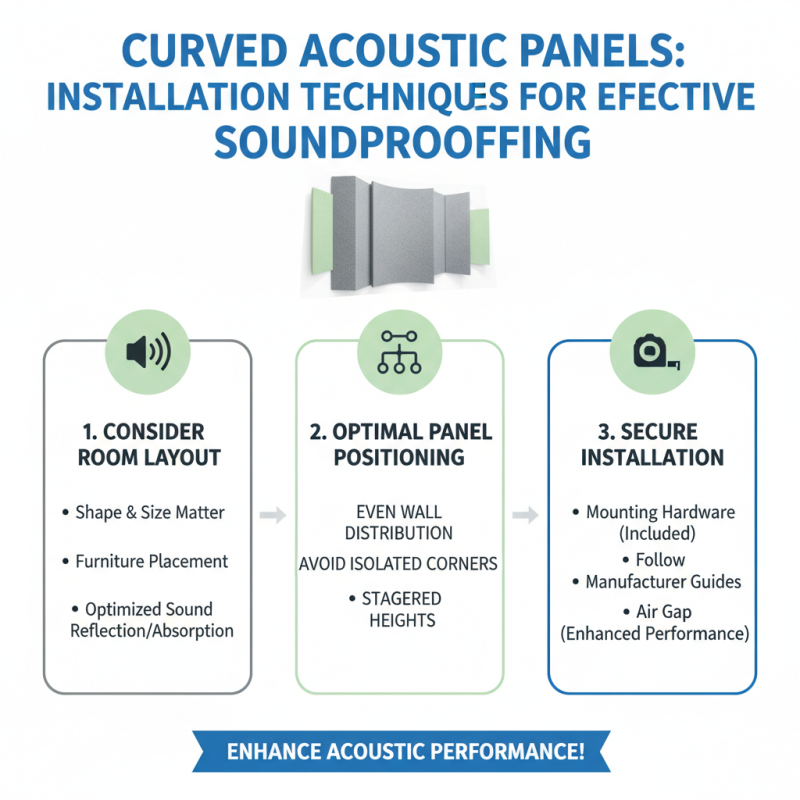
Many spaces suffer from poor acoustics despite aesthetic improvements. It's crucial to consider panel placement and room characteristics. Curved panels may not suit every environment, as their impact can vary based on room size and shape. While the benefits are clear, potential users should reflect on their specific needs before investing. This careful consideration can lead to a more harmonious balance between sound and design.
Key Materials in Curved Acoustic Panels for Optimal Sound Absorption
Curved acoustic panels have gained popularity for their ability to enhance sound quality in various spaces. These panels are designed to absorb sound waves effectively. Understanding the key materials used in their manufacture is crucial for anyone looking to optimize sound absorption in their environment.
Foam and fiberglass are two primary materials used in curved acoustic panels. Studies show that fiberglass panels can reduce noise levels by up to 80%. This is significant in areas where sound clarity is essential, such as recording studios and conference rooms. Another effective material is polyester, known for its durability and acoustic performance. It can help minimize echoes and reverberation in large spaces.
Tips: When selecting acoustic panels, consider their Noise Reduction Coefficient (NRC) rating. An NRC of 0.9 indicates excellent sound absorption. Also, look for thickness. Thicker panels generally provide better performance. Using a blend of materials can enhance functionality.
However, it's important to remember that aesthetics should not be overlooked. Curved panels should blend with the room's design while offering soundproofing benefits. Sometimes, achieving the perfect balance between appearance and functionality can be challenging. Test different materials in your space to find what works best.
2026 Top Curved Acoustic Panels For Soundproofing Spaces
| Material |
Thickness (inches) |
NRC Rating |
Cost per Panel ($) |
Ideal Application |
| Fiberglass |
2 |
0.90 |
75 |
Recording Studios |
| Polyester |
1.5 |
0.85 |
50 |
Home Theaters |
| Mineral Wool |
2.5 |
0.95 |
80 |
Concert Halls |
| Wood Fiber |
2 |
0.80 |
65 |
Classrooms |
Top 2026 Models: Performance Ratings and User Reviews
In 2026, acoustic panels continue to evolve, providing enhanced soundproofing that many seek for their spaces. Performance ratings of these panels, based on recent studies, indicate that properly designed models can reduce noise levels by up to 30 decibels. User reviews emphasize the importance of selecting panels with optimal thickness and material. Many users report improvements in audio clarity and reduced echo in their environments. However, selecting the right product is often confusing due to varying opinions and needs.
When considering curved acoustic panels, it's essential to focus on the material. Fiberglass panels generally outperform foam options in sound absorption. They can target specific frequencies more effectively. Be wary, though; some high-rated products may not fit all room types. Experimenting with different placements can yield better results than simply installing panels at random spots.
Tip: Always test the acoustics of your space before installation. Small changes in panel arrangement can lead to significant differences in sound quality. User feedback highlights that aesthetics also play a role; design choices shouldn't compromise functionality. The right blend of performance and style will enhance not only sound but also the atmosphere.
Comparative Costs: Curved Panels vs. Traditional Acoustic Solutions
When considering soundproofing in spaces, the cost comparison between curved acoustic panels and traditional solutions is essential. According to a 2022 report by the Acoustic Society, curved panels can achieve a sound absorption coefficient of up to 0.95, outperforming many traditional flat panels. This increased effectiveness can justify their higher initial investment. While traditional solutions may start at a lower price point, they often require more panels to achieve similar results.
The average cost for curved acoustic panels is about $15 to $30 per square foot, depending on the material and design. Traditional acoustic panels range from $10 to $20 per square foot. However, when factoring in installation and overall performance, curved panels can provide cost savings in the long term. Their unique shape allows for enhanced sound diffusion, which may reduce the number of panels needed.
It's important to note that not all spaces benefit equally from curved panels. In smaller areas, traditional flat solutions may be sufficient. A 2021 study highlighted that 30% of users found flat panels more visually appealing in certain settings. Thus, the choice between curved and traditional panels should consider aesthetics, space dimensions, and soundproofing needs. Balancing these factors will lead to informed decisions in any soundproofing project.