Top Sound Proof Acoustic Solutions for Home and Office?
Creating a comfortable living or working space is essential, and Sound Proof Acoustic solutions can greatly assist in this endeavor. Unwanted noise can disrupt our focus and relaxation. These solutions not only enhance privacy but also improve overall well-being.
In homes, soundproofing can lead to more peaceful evenings. Acoustic panels, for example, dramatically reduce sound transfer. Using carpets and heavy curtains can also absorb noise. In offices, a quiet environment boosts productivity. Sound barriers can help maintain concentration. However, the effectiveness can vary based on materials and design.
Exploring the right Sound Proof Acoustic solutions requires careful consideration. Reflecting on your space’s needs is crucial. Are there persistent sounds that disrupt your peace? Sometimes, it’s easy to overlook simple fixes. Make minor adjustments and evaluate their impact. Investing in soundproofing can lead to transformative changes.
Top Acoustic Materials for Soundproofing Home Spaces
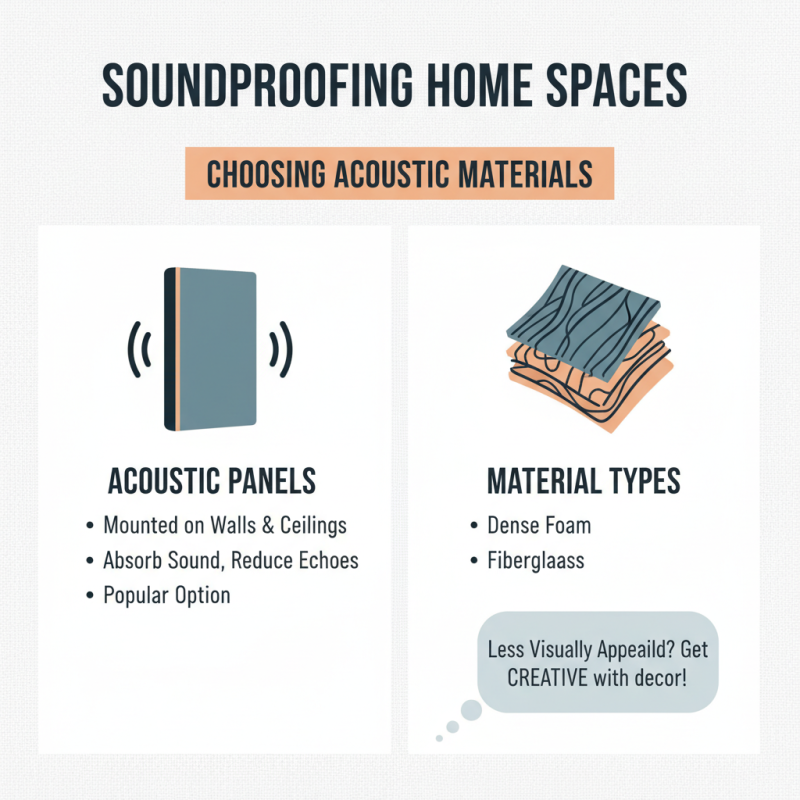
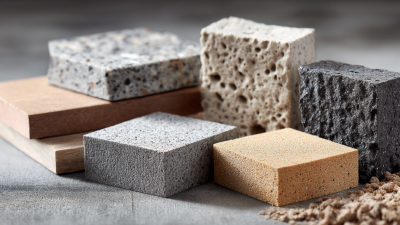
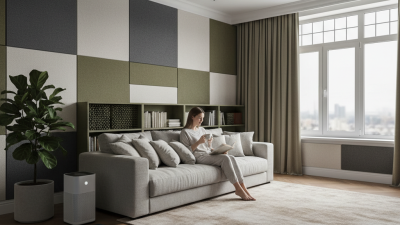
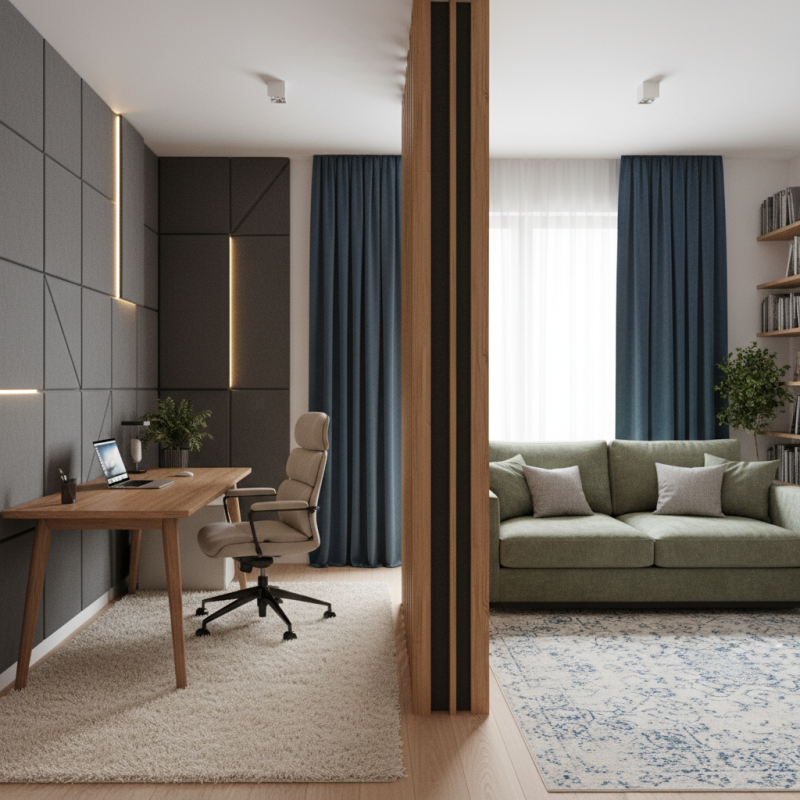
When it comes to soundproofing home spaces, choosing the right acoustic materials is crucial. Acoustic panels are a popular option. They can be mounted on walls and ceilings, absorbing sound and reducing echoes. Look for panels made from dense foam or fiberglass. These materials are effective but can be less visually appealing at times. It might take some creativity to blend them with your decor.
Another great solution is using thick carpets or rugs. They help dampen noise and are especially useful in rooms with hard flooring. Layering rugs can enhance their effectiveness, but it might darken your space. Soundproof curtains can also make a significant difference. Heavy fabrics will block noise from windows, but they can feel bulky. Consider their color and texture to ensure they still fit your aesthetic.
For those seeking a more permanent solution, drywall with soundproofing properties is worth exploring. It provides excellent noise reduction but may require professional installation. Sometimes, the installation process can be messy and disruptive. Reflect on your needs carefully before choosing materials, as each has its pros and cons. Finding the right balance between aesthetics and functionality is key.
Evaluating Sound Absorption Coefficients of Acoustic Panels
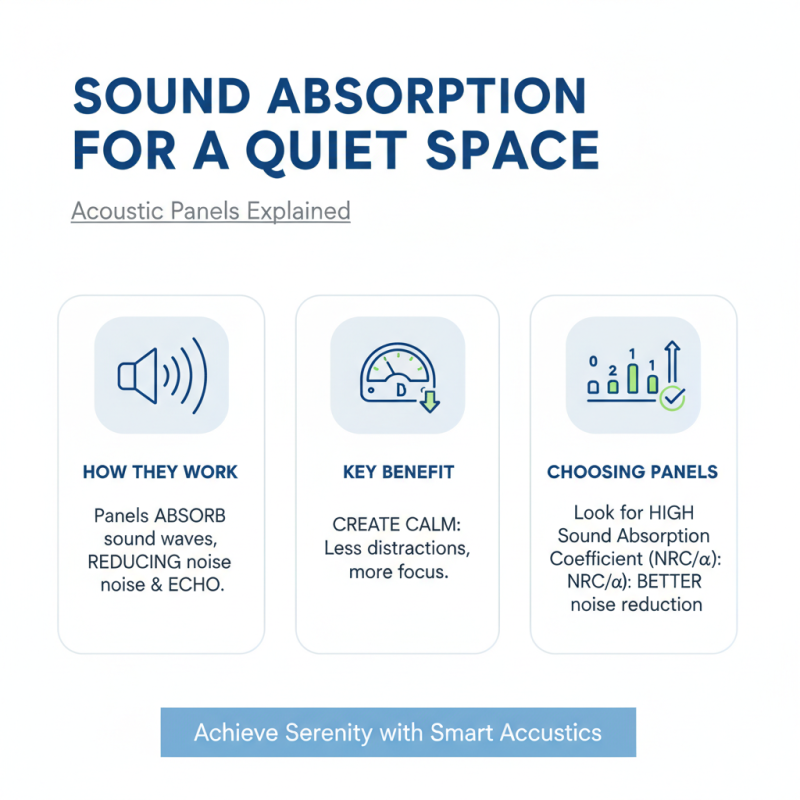
When creating a quiet space at home or in the office, understanding sound absorption is crucial. Acoustic panels play a significant role in this. They reduce noise by absorbing sound waves effectively. Evaluating their sound absorption coefficients is essential when selecting panels. A higher coefficient indicates better sound management, allowing for a serene environment.
Different materials can achieve varying results in sound absorption. For instance, soft fabrics tend to absorb higher frequencies. Meanwhile, dense materials might be more effective in lower frequencies. It's important to analyze the specific acoustics of your space. A poorly chosen panel can lead to unsatisfactory results, leaving echoes or unwanted noise.
In practice, the installation of these panels often presents challenges. Correct placement can be tricky, and misalignment may diminish their effectiveness. Measuring the acoustics before and after installation can help gauge performance. Continuous evaluation is beneficial. You might find that what works in one room does not yield similar results in another. Being open to adjustments is key to achieving the desired tranquility.
Cost-Effectiveness Analysis of Soundproofing Solutions for Offices
Soundproofing offices is crucial for enhancing productivity. Studies show that noise can decrease work efficiency by up to 66%. This alarming figure highlights the need for effective soundproofing solutions. For many organizations, the challenge lies in balancing costs with benefits. Acoustic panels are often recommended for their affordability. They can reduce noise levels significantly and are relatively inexpensive to install.
However, implementation isn’t always straightforward. Some businesses opt for more extensive renovations, like adding soundproof drywall. This can be costly, often exceeding $2,000 for a standard office space. According to industry reports, while initial investments may be high, the long-term benefits make it worthwhile. Reduced noise leads to better focus and can improve employee satisfaction.
Yet, it’s important to note that not all soundproofing methods yield the same results. Some solutions might require constant adjustments. Techniques like sound masking can be effective but must be properly calibrated. Otherwise, the outcome can be disappointing. Evaluating the effectiveness of existing soundproofing solutions may reveal areas for improvement. Ultimately, finding the right balance between cost and effectiveness is essential for every office.
Top Sound Proof Acoustic Solutions for Home and Office - Cost-Effectiveness Analysis of Soundproofing Solutions for Offices
| Solution Type |
Material |
Cost per Square Foot ($) |
Noise Reduction (dB) |
Installation Difficulty |
| Acoustic Panels |
Fiberglass |
3.50 |
25 |
Medium |
| Soundproof Drywall |
Gypsum |
4.50 |
30 |
High |
| Acoustic Ceiling Tiles |
Mineral Fiber |
2.50 |
20 |
Low |
| Soundproof Curtains |
Heavy Fabric |
1.50 |
15 |
Very Low |
| Mass Loaded Vinyl |
Vinyl Composite |
5.00 |
32 |
Medium |
Impact of Noise Pollution on Productivity in Home and Office Environments
Noise pollution has become a significant concern in our daily lives. It affects both home and office environments. Excessive noise can disrupt concentration and decrease productivity. Many people struggle to focus in noisy settings. For instance, the sound of traffic can seep into a home workspace, making tasks more challenging. Offices filled with chatter can also hinder employees’ performance.
Research shows that noise can affect mental well-being. Frequent distractions lead to increased stress levels. A cluttered auditory environment may result in fewer productive hours. People often feel overwhelmed by sounds that they cannot control. This chaos makes it hard to achieve goals and meet deadlines. Soundproofing solutions like acoustic panels can help. However, many people do not invest in these options.
Creating a quieter environment is essential for mental clarity. Simple solutions include using rugs or heavy curtains. They can absorb sound and reduce echoes. Yet, not everyone considers these small changes. Reflecting on your environment could lead to productivity improvements. There is an ongoing challenge in balancing noise and work efficiency. Finding peace amid the chaos requires intentional efforts.
Top Sound Proof Acoustic Solutions for Home and Office
This chart illustrates the impact of noise pollution on productivity levels in home and office environments. The data represents the average productivity percentage drop associated with varying noise levels.
Best Practices for DIY Soundproofing in Residential and Workplace Settings
Creating a soundproof environment at home or in an office can significantly improve focus and comfort. It's essential to address noise issues effectively. Many people opt for DIY methods, which can be both cost-effective and rewarding. Start by inspecting your space for gaps or cracks. Walls that vibrate can be a significant source of noise. Sealing these areas with caulk or foam can offer a noticeable reduction.
Adding sound-absorbing materials is another effective practice. Thick curtains, rugs, and upholstery can absorb sound waves. Consider positioning bookshelves against shared walls, filled with books and other dense materials. This method can dampen external noise quite well. Keep in mind that not all solutions are perfect. Some areas may still let sound in, and it may require a few attempts to get it right.
Experimenting with different layouts can also help. Rearranging furniture for optimal sound blockage is worthwhile. Sometimes, a simple change can yield significant results. While DIY solutions can be useful, remember to evaluate their effectiveness regularly. If noise persists, reassess your choices, and don’t hesitate to seek professional help if needed. Soundproofing is an ongoing journey, often requiring adjustments and reflections on what truly works.