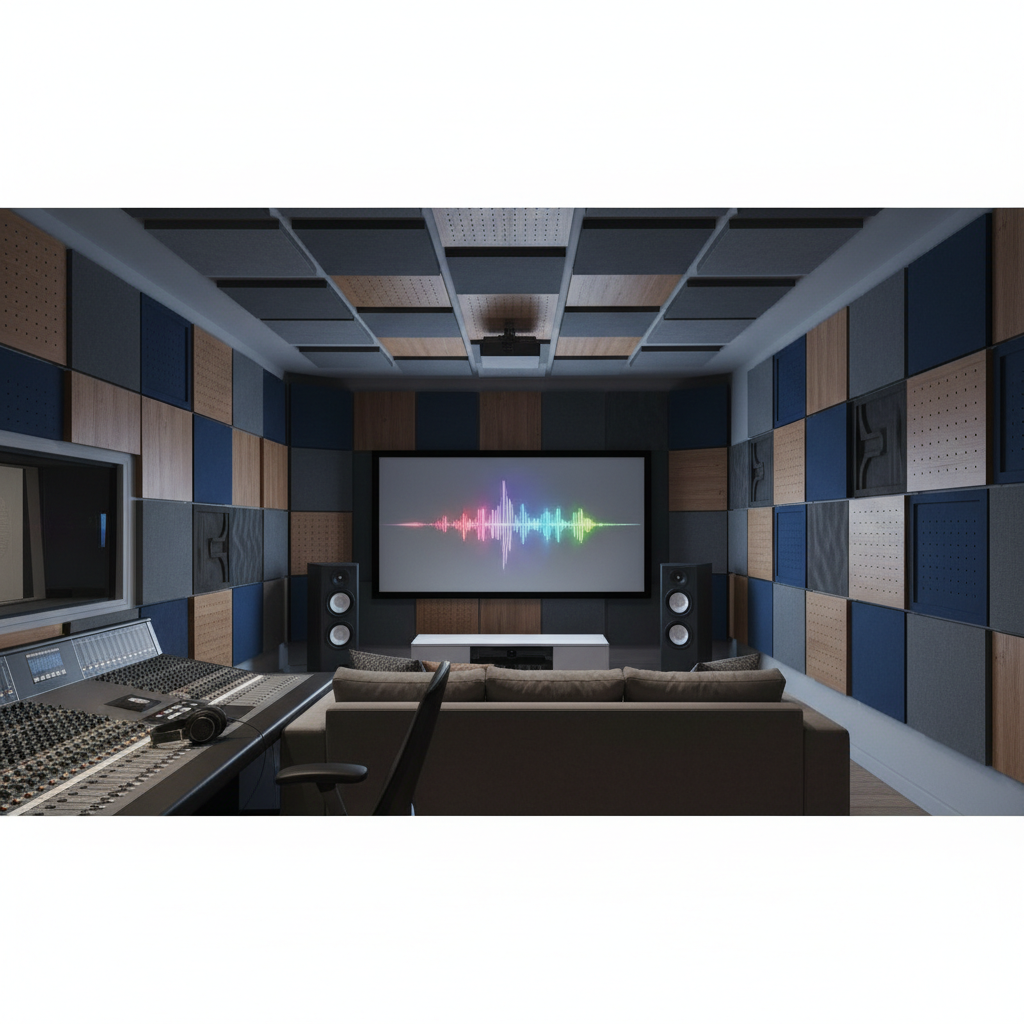

In the pursuit of achieving perfect sound quality, acoustic treatment plays a pivotal role in shaping the auditory experience within any space. Among the various acoustic solutions available, Square Acoustic Panels have emerged as a favored choice for both residential and commercial environments. These panels not only enhance sound clarity but also contribute to the aesthetic appeal of a room. This article aims to present the top five Square Acoustic Panels for 2025, evaluating their effectiveness, design, and versatility.
As we explore these top contenders, we will discuss the key features that make each panel unique, including their material composition, installation ease, and overall performance in sound absorption. Whether you are a music producer, a podcast creator, or a homeowner seeking to improve your living space's acoustics, finding the right Square Acoustic Panels can elevate your sound experience significantly. Join us as we dive into the best options that the market has to offer this year, ensuring you select the perfect panels to achieve your desired acoustic goals.
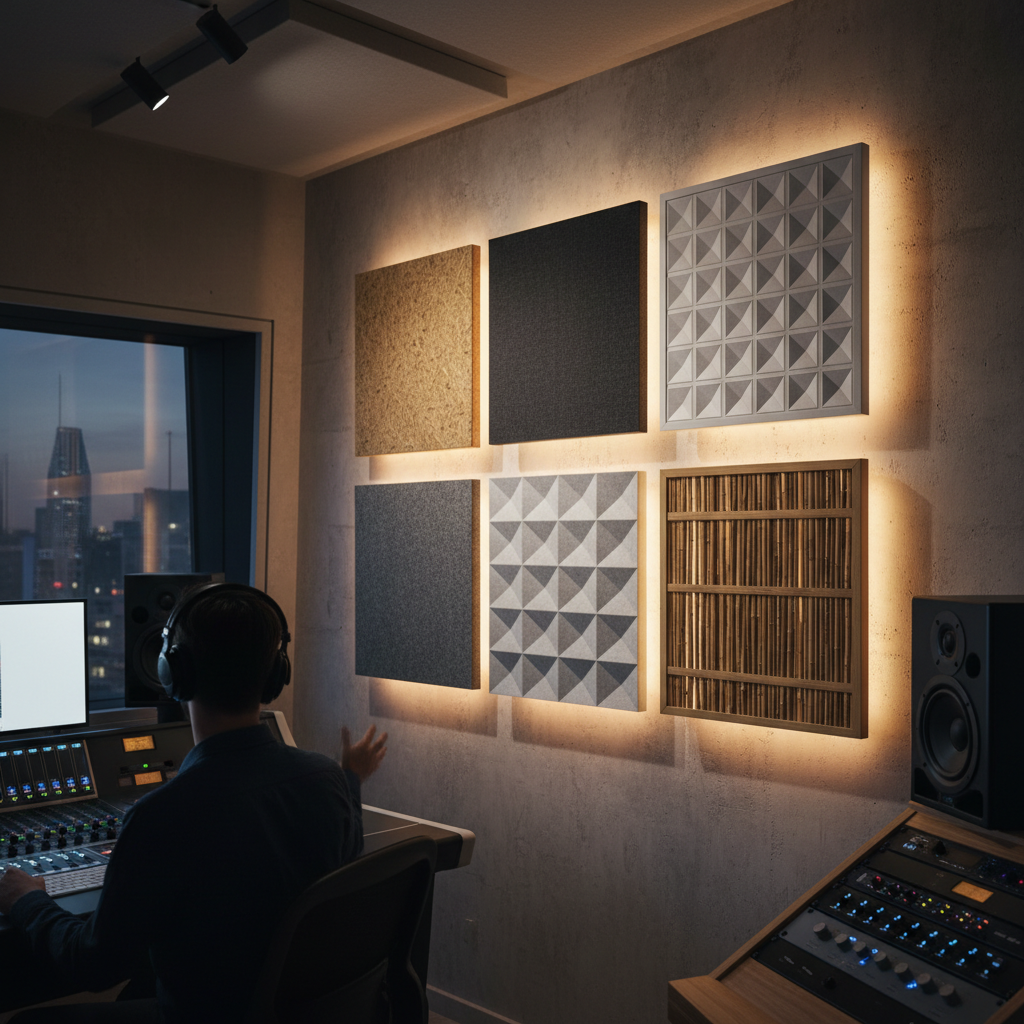
When it comes to sound quality, the right acoustic panels can make a world of difference. In 2025, the emphasis is on achieving optimal sound clarity, and square acoustic panels are leading the way. According to a report from the Acoustical Society of America, proper room acoustics can enhance sound clarity by up to 75%, making it essential to invest in quality acoustic treatments. The top five square acoustic panels this year have been engineered to absorb a wide range of frequencies, effectively minimizing unwanted reverberation and echo in various spaces, from home theaters to professional studios.
Tip: When selecting acoustic panels, consider their material and thickness. Panels made from high-density foam or fiberglass tend to absorb sound better. Aim for a thickness of at least 2 inches for maximum effectiveness, especially in rooms with low-frequency sounds that need extra treatment.
In addition to optimizing sound quality, these panels come in a range of designs and colors, allowing homeowners and professionals alike to enhance their décor while improving acoustics. A study by the National Institute of Health indicates that aesthetically pleasing environments can lead to improved concentration and productivity, further justifying the dual benefit of these acoustic solutions.
Tip: Position your panels strategically at first reflection points—usually the walls and ceiling. This placement will significantly improve sound clarity by targeting areas where sound waves bounce most often, ensuring a more immersive audio experience.
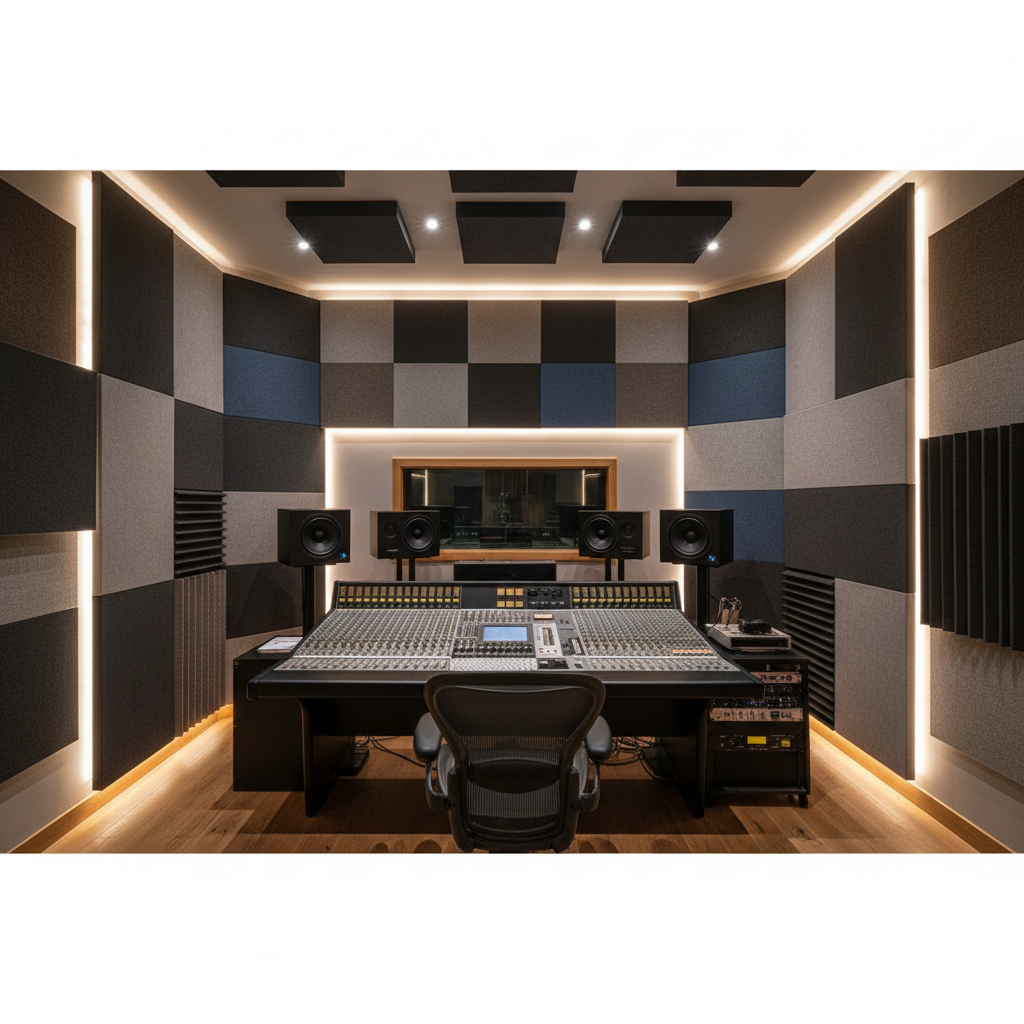
When selecting acoustic panels for optimal sound quality, several key features should be considered to ensure they meet specific needs. First, the thickness and density of the panels play a crucial role in sound absorption. According to a study by the Acoustical Society of America, thicker panels (at least 2 inches) can significantly reduce lower frequencies, making them ideal for spaces like recording studios or home theaters. Density also affects the panel's ability to absorb sound; higher density materials tend to perform better across a wider range of frequencies.
Another important factor is the material used in the construction of the panels. Fiberglass and foam are popular choices, but each has distinct properties. A report from the National Institute of Standards and Technology highlights that fiberglass panels tend to offer superior acoustic performance and durability compared to foam. Additionally, it's essential to consider the panel's NRC (Noise Reduction Coefficient) rating, which quantifies its sound-absorbing effectiveness. Panels with NRC ratings above 0.85 are generally regarded as high-performance options, making them suitable for various environments, from offices to music venues.
When selecting square acoustic panels,
understanding the various material types is crucial for achieving optimal sound quality.
Common materials include foam,
fabric-wrapped fiberglass, and
wood.
Foam panels are lightweight and ideal for reducing mid and high-frequency echoes,
making them practical for home studios and small rooms. Their cost-effectiveness and ease of installation also appeal to many users,
although they may not absorb lower frequencies as effectively as other materials.
On the other hand, fabric-wrapped fiberglass panels
excel at absorbing a wider range of sound frequencies, including low frequencies,
which is essential for creating a balanced acoustic environment.
These panels provide not only superior sound absorption but also aesthetic flexibility,
as they can be covered in various fabrics and colors.
Wood panels, while less common, can create a warm aesthetic
and contribute to sound diffusion, making them suitable for larger spaces or venues where both enhancement and ambiance are desired.
By carefully comparing these materials, users can choose the best acoustic panels
to suit their specific sound quality needs and stylistic preferences.
User reviews and ratings play a crucial role in identifying the best square acoustic panels of 2025. As more individuals prioritize sound quality for personal or professional spaces, the feedback from users offers valuable insights into the performance and effectiveness of these products. Panels such as the SoundX, which boasts rave reviews for its superior absorption qualities, are often highlighted for their stylish design that blends seamlessly into various decors. Users frequently note how the SoundX significantly reduces echoes and noise disturbance, making it a top choice for music studios and home theaters alike.
Another standout in the acoustic panel market is the EchoStop, praised for its exceptional durability and ease of installation. Users appreciate its versatility, with many noting that it meets their needs in both residential and commercial settings. Reviews on platforms like Amazon and specialty acoustic retailers indicate high satisfaction rates, particularly regarding the aesthetic appeal and variety of colors available. Customers emphasize that these panels not only enhance sound quality but also elevate the visual aspect of their spaces, making them a worthwhile investment for anyone seeking to improve acoustics.
When it comes to maximizing sound quality with square acoustic panels, proper installation is crucial. Start by selecting the right locations for your panels based on the unique acoustics of your space. Ideally, you should place them at reflection points—these are the locations where sound waves first bounce off walls before reaching your ears. A simple way to find these spots is to have a friend move a mirror along the walls while you sit in your listening position; mark where you can see the speaker's reflection in the mirror.
Next, ensure that the panels are securely mounted. Use an appropriate adhesive or mounting hardware for the weight and thickness of your panels. If you're installing them on a drywall surface, consider using a level to align them perfectly, which not only enhances aesthetics but also effectiveness. Additionally, it’s beneficial to vary the height at which panels are placed, as this helps to cover a broader range of sound frequencies and further enhances acoustic performance. By following these installation tips, you can significantly improve the sound quality in your space, creating an optimal environment for listening and recording.
This bar chart illustrates the sound absorption coefficients of various popular acoustic panel materials. Higher coefficients indicate better sound absorption capabilities, which is essential for achieving optimal sound quality in any space.