Top 10 Panel Acoustic Wall Solutions for Global Buyers?
As spaces evolve, the need for effective sound management becomes critical. A "Panel Acoustic Wall" is one of the most efficient solutions available today. It not only enhances sound quality but also contributes significantly to the aesthetics of a room. By integrating sound-absorbing materials, these panels reduce echo and background noise.
Understanding the various options can save time and money for global buyers. There are countless products available, but not all are created equal. Selecting the right "Panel Acoustic Wall" requires thought. Some may promise high-performance but fall short in practice. Others may be visually appealing but lack acoustic effectiveness.
In this guide, we present the top 10 panel acoustic wall solutions, each crafted to meet diverse needs. From innovative designs to eco-friendly options, these selections shine. Yet, even great products come with their caveats. Buyers must weigh functionality against design, cost against performance. The choices can feel overwhelming. However, informed decisions pave the way to a quieter and more harmonious environment.

Top Acoustic Wall Solutions: Overview of Key Market Trends and Data
Acoustic wall solutions have gained significant attention in recent years. Many buyers focus on how these products reduce noise in various environments. The market is evolving, driven by the increasing demand for better sound management in urban settings. More people are working from home and need quiet spaces. This trend has propelled the growth of various acoustic wall materials and designs.
Key market trends show a shift toward sustainable and eco-friendly materials. Buyers are increasingly seeking products made from recycled or natural materials. Design flexibility plays a crucial role as well. Today’s consumers want solutions that fit their aesthetic requirements. Customization becomes essential. A simple acoustic panel can transform the feel of a room.
However, despite numerous options, not all products deliver the expected performance. Some buyers may choose designs that look appealing but fail to absorb sound effectively. Education on product specifications is vital. Many professional resources offer insights into which materials enhance soundproofing and reduce reverberation. Choosing the right acoustic solution still requires careful consideration and knowledge.
Top 10 Panel Acoustic Wall Solutions Market Overview
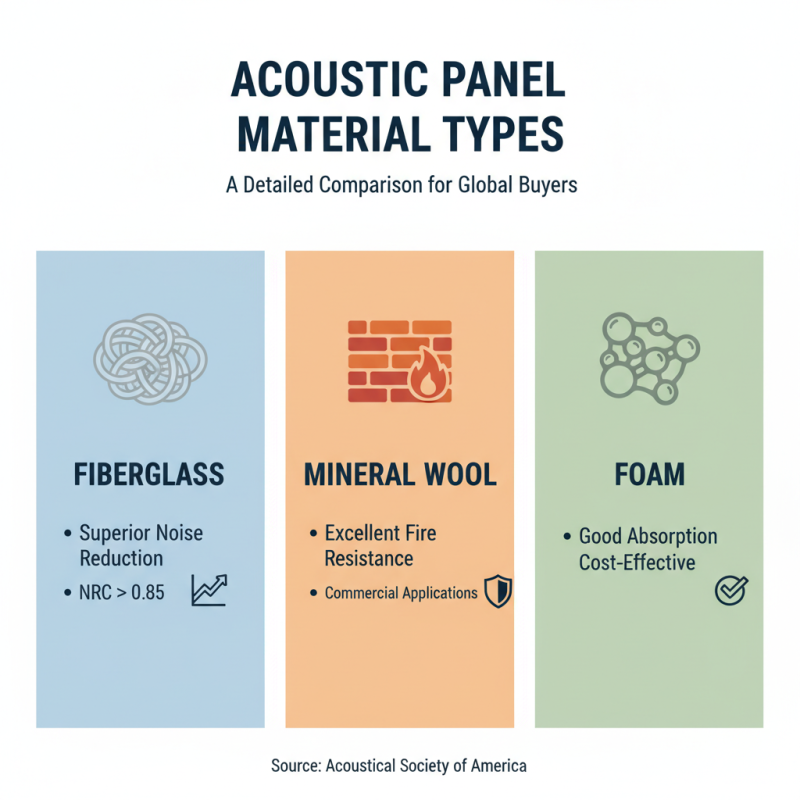
Material Types in Acoustic Panels: A Detailed Comparison for Global Buyers
When selecting acoustic panels, material type significantly impacts sound absorption qualities. Common choices include mineral wool, fiberglass, and foam. According to the Acoustical Society of America, fiberglass panels typically offer superior noise reduction, achieving NRC (Noise Reduction Coefficient) ratings above 0.85. On the other hand, mineral wool provides excellent fire resistance, making it a popular choice for commercial applications.
Foam panels often come at a lower cost and feature lightweight properties. However, their effectiveness can vary based on density and thickness. Research indicates foam may only achieve NRC values of 0.5 to 0.7. While affordable, they might not provide the level of sound control needed in sensitive environments. Understanding these differences can guide buyers toward appropriate solutions for their projects.
The choice of material directly affects installation ease and overall performance. It is vital for buyers to evaluate acoustic panel data and consult industry reports for reliable information. While many buyers prioritize cost over quality, balancing these factors is essential for optimal acoustic performance. A thoughtful selection process could mitigate future issues in acoustically demanding spaces.
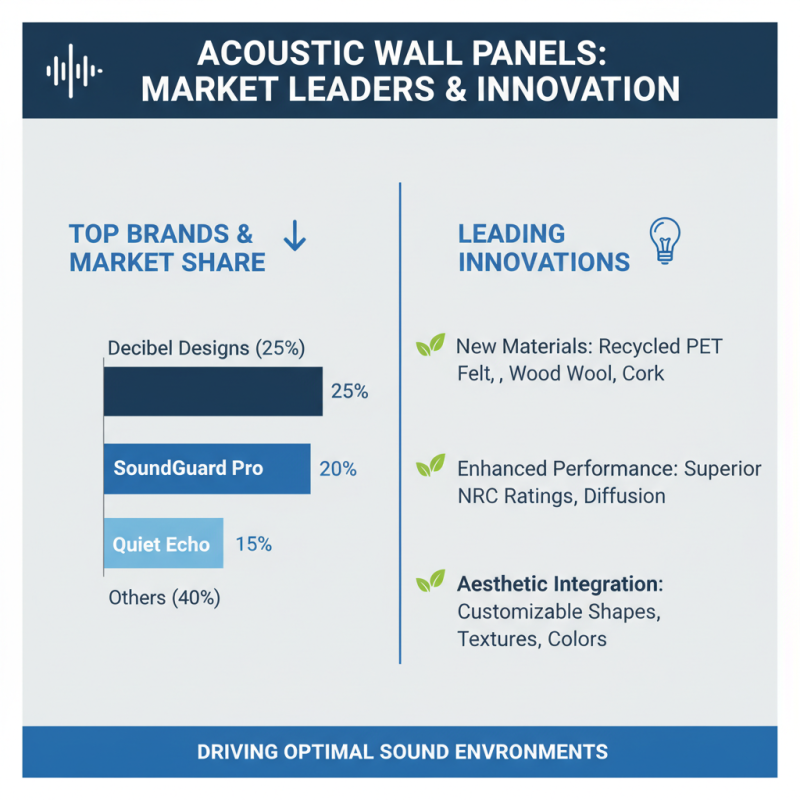
Top Brands and Manufacturers: Market Share and Leading Innovations
Acoustic wall panels have become essential in creating optimal sound environments. Global buyers face various choices, with numerous brands offering unique products. Leading manufacturers are innovating with new materials, enhancing both performance and aesthetics. This competition drives the market forward.
When selecting acoustic wall solutions, consider your specific needs. Different environments require different approaches. For instance, a restaurant might require panels that absorb sound without compromising the vibe. Always check the acoustic performance rating before making a purchase.
Tips: Test the products in your space. This step can reveal how effectively they perform under your conditions. Look for eco-friendly materials – they are often more durable and sustainable, which reflects current trends.
Additionally, keep an eye on customer feedback. This information can lead you to reliable and innovative brands. The right panel can transform a noisy room into a serene space. Measure your walls carefully and consult with experts for the best outcomes. Remember, sometimes the newest product might not be the best fit for your project.
Installation Techniques: Best Practices for Maximizing Acoustic Performance
When it comes to maximizing acoustic performance, installation techniques play a crucial role. Proper positioning of acoustic panels is fundamental. Panels should be placed at primary sound reflection points. This often includes points on walls and ceilings where sound waves collide. The goal is to reduce echoes and enhance sound quality.
Acoustic panel installation can be straightforward, but attention to detail is essential. Ensure panels are level and securely attached to the walls. This avoids sagging or gaps that can diminish their effectiveness. Consider the thickness of the panels. Thicker panels generally provide better sound absorption, especially in lower frequency ranges.
Tips for effective installation include assessing the room's acoustics before adding panels. Test sound with simple tools like a smartphone app. Additionally, when hanging panels, use adhesive or mounting brackets that suit the surface material. Remember that aesthetics matter, too; visually appealing installations can enhance the space while improving acoustics. Reflection on the installation's impact is vital. Monitor the changes in sound clarity and make adjustments if necessary.
Top 10 Panel Acoustic Wall Solutions for Global Buyers
| Solution Type |
Material |
Thickness (inches) |
NRC Rating |
Installation Technique |
| Wall Panels |
Fabric-Wrapped Board |
2 |
0.85 |
Direct Glue Installation |
| Acoustic Tiles |
Mineral Fiber |
1 |
0.75 |
Suspended Grid System |
| Baffles |
Wood |
3 |
0.90 |
Hanging Suspension |
| Acoustic Curtains |
Polyester |
N/A |
0.70 |
Track System Installation |
| Sound Panels |
Foam |
1.5 |
0.80 |
Adhesive Mounting |
| Wall Art Panels |
Acoustic Foam |
2 |
0.85 |
Direct Adhesive |
| Ceiling Tiles |
Gypsum |
2 |
0.60 |
Grid System |
| Flexible Panels |
Fiberglass |
1 |
0.75 |
Wall-Mounting Brackets |
| Bass Traps |
Synthetic |
4 |
0.95 |
Corner Installation |
Cost Analysis: Evaluating Value and ROI in Acoustic Wall Solutions
When it comes to acoustic wall solutions, understanding their value is crucial for buyers. These installations can transform a space, reducing noise and enhancing sound quality. However, the cost can vary widely across different solutions. Evaluating the initial investment versus long-term benefits is essential. A more expensive material might offer better performance and durability, leading to significant savings over time.
Consider the installation costs. Simple panels are easy to install but may lack effectiveness. In contrast, more complex systems require professional installation, increasing upfront costs. These may present an opportunity for higher ROI as they deliver superior acoustic performance. It's important to assess your specific needs and long-term goals. Are you looking for basic sound dampening, or do you need high-end solutions for recording environments? The answers can guide your choices.
Effective acoustic solutions should also consider aesthetic value. Some panels are visually striking and can enhance interior design. However, not every solution will suit every space. It's vital to reflect on your environment before choosing. Balancing style with functionality can be difficult, and what works for one space may not for another. Ultimately, it’s a journey of trial and reflection, where each choice impacts both cost and comfort in the long run.