Top Tips for Choosing Stylish Acoustic Panels for Your Space?
Choosing the right acoustic panels can enhance your space both functionally and aesthetically. Stylish acoustic panels blend sound absorption with design, creating a harmonious environment. These panels do more than just control noise; they also serve as decorative elements.
Understanding the variety and styles of acoustic panels is essential. There are options ranging from vibrant colors to unique textures. It’s a challenge to balance personal taste with acoustic performance. Sometimes, the most stylish choices compromise on sound quality. Reflecting on your needs helps avoid this pitfall.
The goal is to create a space that feels inviting and reduces unwanted noise. When selecting stylish acoustic panels, think about the overall theme of your room. Consider how textures, shapes, and colors complement existing decor. Finding the right balance can take time, but the results will elevate your environment significantly.
Consider the Acoustic Properties: Understanding Sound Absorption Coefficients
When choosing acoustic panels, the acoustic properties are crucial.
Sound absorption coefficients define how well a surface reduces sound reflection.
Panels with higher coefficients absorb more sound, making your space quieter. Consider how sound travels in your area before selection.
If you have a large room, you may need panels with higher absorption rates.
Different materials can affect these coefficients. For instance, foam panels typically absorb sound well, while fabric-covered options can add a decorative touch.
Experimentation might be necessary. You might find that one panel type works better than another in your unique space.
Test samples in various room locations to observe real differences.
Look for balance between style and functionality. Some panels may look stunning but lack effective sound absorption.
It’s essential to reflect on both aesthetics and acoustic needs.
Not every stylish panel will perform well in reducing echo. Understanding these properties can help you create the desired ambiance in your environment.
Evaluate Aesthetic Design: Matching Panels with Interior Décor Styles
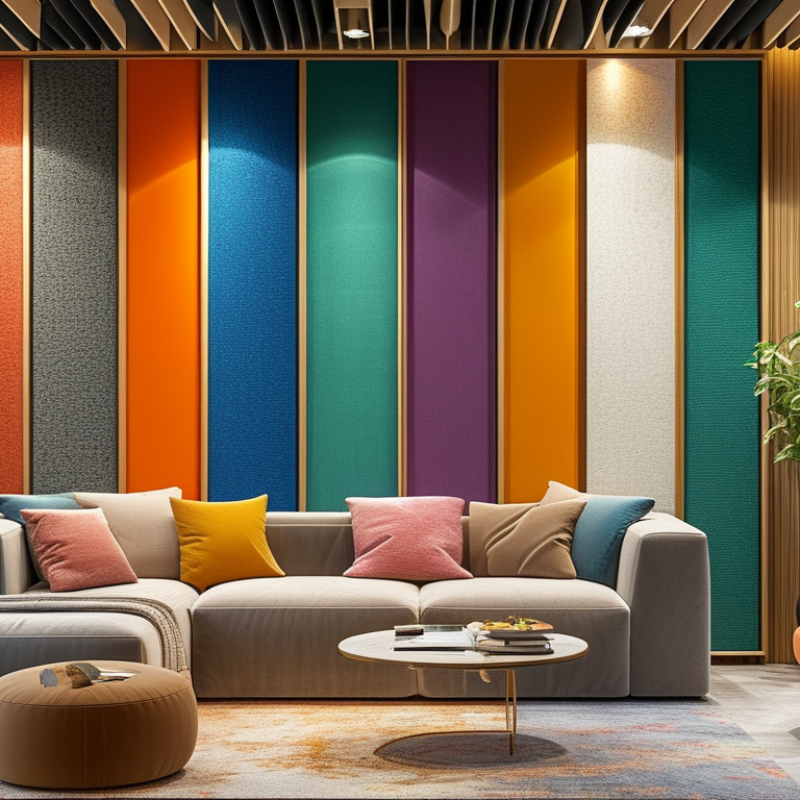
Acoustic panels can enhance both sound quality and the aesthetics of a room. When choosing panels, consider how they integrate with your existing interior décor. Look for colors and patterns that complement your walls, furniture, and overall theme. A well-chosen panel can become a focal point rather than an eyesore.
It's essential to think about the room's vibe. A modern space might benefit from sleek, geometric panels. In contrast, a cozy room could use softer shapes and natural materials. The goal is to find a balance. You might struggle with matching bold textures to minimalist designs. Reflection and experimentation can help you achieve the right look.
Consider the size of the panels as well. Oversized panels can engulf a small room, making it feel cramped. Smaller panels may get lost in larger spaces. Adjusting the dimensions can sometimes create unexpected harmony. Experimentation is key; don’t shy away from playing with different arrangements before committing. Your sonic and aesthetic needs are crucial, and finding the perfect fit may take time and patience.
Top Tips for Choosing Stylish Acoustic Panels for Your Space
This chart illustrates the importance of various aesthetic design factors when choosing acoustic panels to match interior decor styles. The data reflects the percentage of respondents who prioritized each design aspect.
Explore Material Options: Comparing Fabric, Foam, and Wood Acoustic Panels
Acoustic panels come in various materials, each with its own unique advantages and drawbacks. Fabric panels are popular for their aesthetic appeal. They offer a wide range of colors and patterns that can enhance any interior design. According to a study by the Acoustical Society of America, fabric panels reduce sound transmission effectively by up to 95%. However, fabric can absorb dust and require regular cleaning, which may not be ideal for all environments.
Foam panels are another common option. Lightweight and easy to install, foam is cost-effective. A report by the National Institute of Standards and Technology indicates that high-density foam can provide excellent sound absorption, reducing noise levels by as much as 80%. However, foam lacks the visual versatility that fabric offers. Plus, over time, foam can degrade and may not provide a long-term solution.
Wooden panels bring a touch of elegance and warmth to spaces. They can enhance sound quality while adding a natural aesthetic. A recent market analysis found that wood panels can improve acoustics in large venues, making them ideal for concert halls or auditoriums. However, wood can be pricey and requires proper finishing to maintain its appearance. Each material has its trade-offs, and the best choice depends on your specific needs and preferences.
Assess Panel Placement: Optimal Locations for Maximum Sound Control
When considering acoustic panels, panel placement is crucial.
The right locations can enhance their effectiveness and transform your space. Start by evaluating where sound issues occur. Common trouble spots include corners and areas behind speakers. Soft surfaces can absorb sound, but hard surfaces often reflect it.
Try placing panels at strategic angles. This can help diffuse sound waves and reduce echoes. For maximum effect, install panels at ear level. This height ensures that the sound is controlled where it matters most.
Keep in mind the aesthetics of your space. Acoustic panels can be stylish, adding character while improving sound quality. Experiment with colors and patterns that fit your design. It might take time to find the perfect match. Embrace this creative process instead of rushing to a decision. Your space will benefit from thoughtful placement and design choices.
Analyze Cost vs. Quality: Budgeting for Stylish and Effective Acoustic Solutions
When selecting acoustic panels, budget and quality play a crucial role. High-quality acoustic solutions can significantly improve the sound in any space. However, the price tag often raises eyebrows. It’s vital to balance cost with effectiveness. Cheaper panels may not absorb sound as well, leading to echo or distortion. Investing in well-made panels may seem expensive but can save you money over time.
Evaluate materials and design. Natural fibers often provide better sound absorption than synthetic options. Consider how the panel will blend with your existing decor. A stylish design enhances the overall look while serving its acoustic purpose. Measure your space accurately. A misjudged size can decrease effectiveness. Remember that installation costs can add to the budget. Don’t forget to factor that in.
Repurposed materials can be a budget-friendly option. They may lack the polish of new products but can add character. Reflect on your space before committing. Each choice matters. Prioritize functionality but keep style in mind. This complex balance requires thought. Finding that sweet spot can be challenging but worthwhile.