Best Tips for Choosing Acoustic Partition Panels for Your Space?
Creating the perfect acoustic environment can significantly enhance the comfort and functionality of any space. One effective solution for achieving this is the Acoustic Partition Panel. These panels help to reduce noise pollution, ensuring privacy and a more focused atmosphere. However, not every acoustic panel is suitable for every setting.
When choosing the right Acoustic Partition Panel, several factors come into play. Your space's size, furnishings, and purpose are crucial. A busy office might require different panel characteristics than a cozy café. While many options promise sound absorption, their effectiveness can vary widely based on materials and design. It's essential to examine each choice critically.
Keep in mind that the ideal panel often balances aesthetics with functionality. A beautiful design shouldn't compromise sound performance. You may find that a striking panel doesn't perform well acoustically. Thus, evaluating both the visual appeal and sound absorption is vital. Trusting experts and sources can guide you in making the right selection that truly fits your unique space.
Understanding the Purpose of Acoustic Partition Panels in Space Design
Acoustic partition panels play a crucial role in modern space design. They help manage sound and create a more comfortable environment. According to a report by the Acoustical Society of America, poor acoustics can lead to decreased productivity and increased stress. This highlights the importance of considering acoustic solutions in any workspace.
When selecting acoustic partition panels, it's essential to understand their purpose. These panels reduce noise by absorbing sound waves. A study by the Journal of Architectural Acoustics found that well-designed panels can reduce perceived noise levels by up to 50%. This can be particularly beneficial in an open-office layout, where distractions are common.
It's important to reflect on the limitations of acoustic panels. They may not eliminate noise entirely, especially in large, noisy spaces. Also, choosing the wrong type or placement can lead to suboptimal performance. Analyzing the specific needs of your space is vital. Effective acoustic solutions require a thoughtful approach to design and materials chosen.
Best Tips for Choosing Acoustic Partition Panels for Your Space
| Dimension |
Material |
Thickness (inches) |
Noise Reduction (STC Rating) |
Ideal Use Case |
| 48" x 96" |
Fabric Wrapped Fiberglass |
2" |
25 |
Office spaces |
| 48" x 48" |
Polyester |
1.5" |
30 |
Classrooms |
| 60" x 60" |
Wood Fiber |
2" |
27 |
Conference rooms |
| 36" x 72" |
Mineral Fiber |
1" |
22 |
Restaurants |
| 24" x 48" |
Acoustic Foam |
1" |
29 |
Recording studios |
Evaluating Different Types of Acoustic Materials for Effective Sound Absorption
Choosing the right acoustic partition panels can significantly enhance your space. It’s essential to evaluate different types of acoustic materials. Each material serves a unique purpose in sound absorption. Some are designed for high-frequency sound, while others manage lower frequencies effectively.
Look into foam panels, which are lightweight and versatile. They excel at absorbing mid to high frequencies. Their porous structure reduces echo, making them ideal for studios and offices.
Alternatively, consider fiberglass panels. They are denser and more effective at controlling sound across a broader range. However, installation can be tricky due to their weight.
Reflecting on the choices can be daunting. What works in one space may not suit another. It’s crucial to test materials in your environment. Sometimes, combining different types of panels yields the best results.
Always consider aesthetic factors as well. Sound absorption does not mean sacrificing style in your workspace.
Considering the Aesthetic Aspects of Acoustic Panels in Interior Spaces
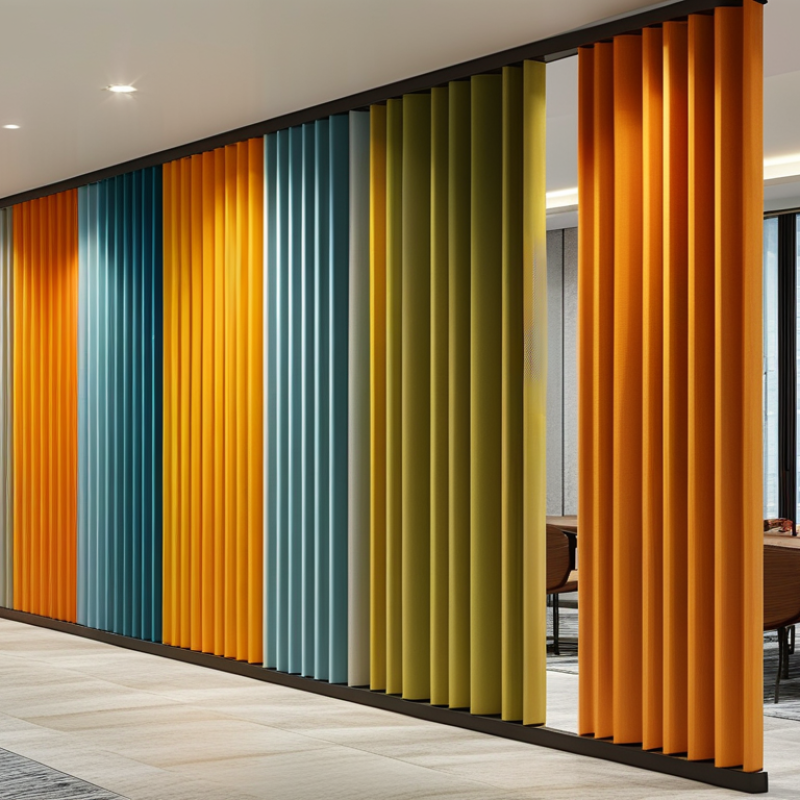
Acoustic panels can greatly enhance the look of your interior space. When choosing these panels, don’t overlook their aesthetic impact. Different colors and textures can complement your existing décor. For a modern feel, consider sleek, minimalistic designs. Alternatively, fabric-wrapped panels can introduce warmth and comfort.
Tips for selection: Focus on materials that absorb sound well. Natural materials like wood or wool can add elegance. Ensure the colors align with your brand or personal style. Test samples in your space to see how they interact with lighting. Pay attention to how they change the room’s atmosphere.
It’s essential to remember that not all beautiful panels are effective. Some designs might look great but perform poorly acoustically. Seek a balance between style and functionality. Your space deserves an investment that marries aesthetics with sound quality. Explore various options and embrace imperfections in design choices. They can sometimes create unique character in a room.
Assessing the Size and Configuration of Panels for Optimal Acoustic Performance
When choosing acoustic partition panels, size and configuration play a crucial role in achieving optimal acoustic performance. The dimensions of the panels must match the specific needs of your space. For example, in a large open office, taller panels may effectively reduce sound transmission between workstations. Smaller panels might suffice in a home office setting, allowing for flexible layout options.
Consider the arrangement of the panels. Spacing them strategically can amplify their performance. If they are too close, sound reflections may occur, reducing their effectiveness. Conversely, placing panels too far apart could leave sound gaps, leading to unwanted noise. Experimenting with both horizontal and vertical configurations can be beneficial. Each space is unique, and what works in one area may not in another.
After installation, be prepared for adjustments. Sound dynamics may change as more furniture enters the room or as layouts shift. Observing how sound interacts with your new environment is vital. You may need to reposition panels for better sound absorption. This iterative process highlights the importance of being flexible and responsive in your approach to acoustic design. In the end, achieving the best performance requires careful consideration and ongoing evaluation.
Budgeting and Sourcing: Finding Quality Acoustic Panels Within Your Price Range
When budgeting for acoustic partition panels, it’s crucial to balance cost and quality. Look for reputable manufacturers that offer detailed product specifications. Understanding the materials used can help you assess durability and performance. Panels made from high-density fiberboard often yield better sound absorption. However, they may come with a higher price tag.
Exploring local suppliers or online marketplaces can reveal a variety of options. Many manufacturers provide sample panels. Testing these samples in your space can help you gauge their effectiveness. Consider installation costs, too. Some panels require professional help, adding to your budget. Evaluate DIY options if you’re handy to save money.
Don’t forget to check reviews from other buyers. Real-world experiences can guide your choices. You might find that less popular brands still offer good quality at a lower price. However, it’s vital to ensure that the panels meet your specific acoustical needs. Sometimes, spending a bit more upfront can result in long-term savings. Investing wisely will enhance your space’s comfort and functionality.
Budgeting and Sourcing Acoustic Partition Panels