Stylish Acoustic Panels Trends for 2025 Enhancing Your Space Aesthetic
The aesthetic and functionality of interior spaces are increasingly intertwined, with design trends pointing towards the integration of Stylish Acoustic Panels as a solution for noise management while enhancing visual appeal. According to a report by the Acoustical Society of America, approximately 10% of the population is affected by noise-related disturbances in residential and commercial environments, leading to an increased demand for acoustic treatments that also serve a decorative purpose. Stylish Acoustic Panels are not just functional; they are becoming a focal point in modern design, reflecting the growing trend of prioritizing both sound quality and aesthetic charm in various spaces.
As we move into 2025, the market for these innovative acoustic solutions is projected to grow significantly. A study by Research and Markets suggests that the global acoustic panels market is expected to reach USD 1.4 billion by 2025, driven by the demand for effective noise reduction products in open office layouts, educational institutions, and hospitality venues. Stylish Acoustic Panels offer diverse design options, from vibrant colors to intricate textures, making them perfect for enhancing the overall ambiance of any setting. By incorporating these stylish solutions, designers and homeowners can create spaces that are not only visually stunning but also acoustically pleasant, showcasing a harmonious balance between aesthetics and functionality.
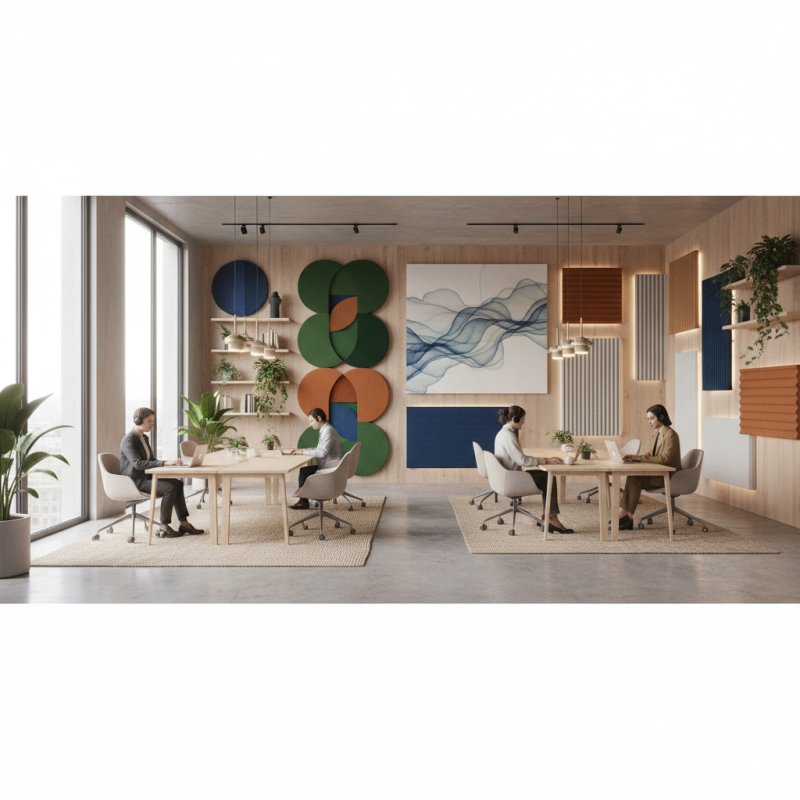
Current Trends in Acoustic Panel Design for Modern Interiors
As we move towards 2025, the design of acoustic panels is evolving to integrate seamlessly with modern interiors while enhancing both functionality and aesthetics. Current trends indicate a shift towards more artistic and innovative designs that go beyond traditional soundproofing solutions.
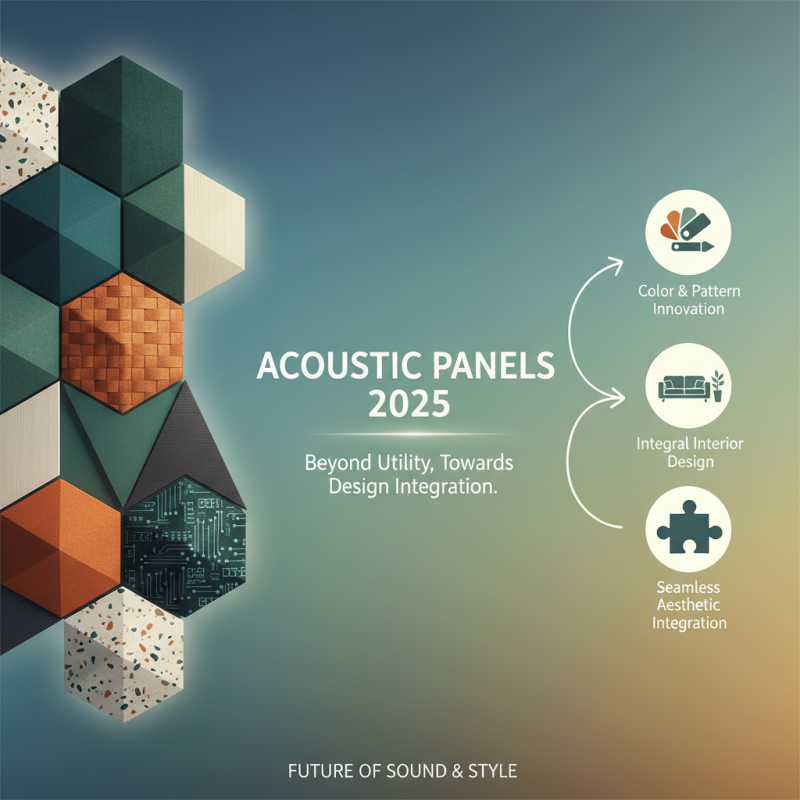
Designers are focusing on bold colors, geometric shapes, and textured materials that not only absorb sound but also serve as eye-catching decor elements. This approach allows homeowners and designers to choose acoustic panels that complement their overall design scheme, creating harmonious spaces without sacrificing style.
Another emerging trend is the use of eco-friendly materials in the production of acoustic panels. With increasing awareness of sustainability, many manufacturers are opting for recycled or renewable resources, contributing to a greener interior design.
These panels can be customized to fit various styles—from minimalistic to bohemian—demonstrating versatility in design choices.
Patterns inspired by nature or abstract art are also gaining popularity, offering a unique touch that can transform walls into statement pieces while maintaining the desired acoustic properties.
These advances in acoustic panel design not only improve sound quality but also elevate the visual appeal of modern interiors.
Essential Materials Used in Stylish Acoustic Panels
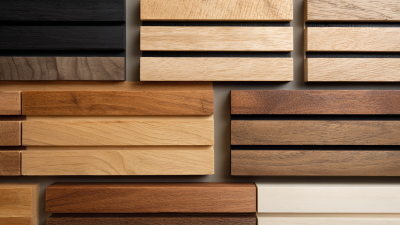
Acoustic panels have evolved significantly, not just in function but also in aesthetics, becoming integral in contemporary interior design. The essential materials used in stylish acoustic panels play a pivotal role in their effectiveness and style. Typically, high-density foam and fabric-covered boards are prominent choices; they not only reduce noise levels but can be customized to fit a variety of visual themes. Natural materials such as wood and cork are increasingly popular, offering a blend of sound absorption and eco-friendliness. According to a report by MarketsandMarkets, the acoustic panel market is projected to grow from $1.2 billion in 2021 to $1.8 billion by 2026, highlighting the rising demand for both efficiency and design in acoustic solutions.
When selecting acoustic panels, consider the acoustical performance of different materials. For instance, fibrous materials like polyester and fiberglass have shown excellent sound absorption qualities, often recommended for spaces with high ambient noise levels. Moreover, innovative designs that incorporate textiles not only enhance sound control but also add a touch of elegance to your space.
Tips: When incorporating acoustic panels into your design, choose colors and textures that complement your existing decor to ensure a harmonious look. Additionally, think about strategically placing these panels in areas where sound echoes the most, such as large open spaces or near entertainment systems, for optimal results. By prioritizing both style and functionality, you can create an environment that is not only beautiful but also acoustically balanced.
Stylish Acoustic Panels Trends for 2025
This chart illustrates the popularity trends of essential materials used in stylish acoustic panels for the year 2025. The data reflects the increasing preference for specific materials among consumers.
Color and Pattern Innovations in Acoustic Panel Aesthetics
As we look ahead to 2025, the realm of acoustic panels is set to undergo exciting transformations, particularly in terms of color and pattern innovations. The days when acoustic panels were merely utilitarian features in a room are fading. Now, they are increasingly recognized as integral elements of interior design that contribute to a space's overall aesthetic. With a wider array of colors, textures, and patterns becoming available, the ability to seamlessly integrate these panels into various design themes is on the rise.
In 2025, expect to see a surge in bold and vibrant hues that not only absorb sound but also inject life into environments. From rich emerald greens to warm terracotta tones, these acoustically-effective solutions can serve as statement pieces in any room. Patterns are also evolving, moving away from traditional muted designs to dynamic geometric shapes and art-inspired prints. This trend allows homeowners and designers to express their creativity while also addressing acoustic needs. The fusion of functionality and aesthetic appeal signifies that acoustic panels are no longer just about quieting a space; they are about enhancing it in a stylish and visually impactful way.
Integration of Acoustic Panels in Various Space Styles
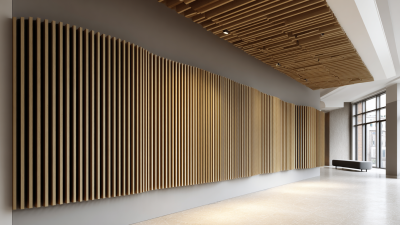
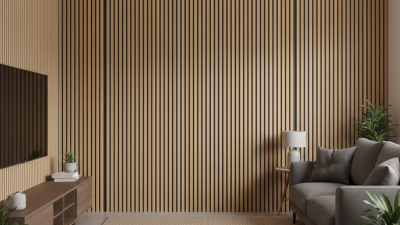
The integration of acoustic panels into various space styles is becoming increasingly popular, as more designers recognize the potential of these functional elements to enhance aesthetics while improving sound quality. In contemporary decor, minimalism reigns supreme, with sleek, unobtrusive acoustic panels that seamlessly blend into the background. These panels can be designed to mimic the textures and colors of surrounding materials, allowing them to maintain the clean lines and simplicity that define modern spaces. By utilizing soft hues and natural materials, such panels not only serve their acoustic purpose but also contribute to a serene and inviting atmosphere.
In contrast, more eclectic or bohemian styles embrace the opportunity to make a statement with their acoustic solutions. Designers are now experimenting with vibrant colors, bold patterns, and unique shapes. This trend allows acoustic panels to become a focal point in the room, adding character and charm. In spaces defined by artistic expression, such as studios or communal areas, these panels can be creatively arranged to form interesting visual compositions while providing essential sound absorption. This dual functionality highlights how acoustic panels can parallel the artistic aspirations of a space, enhancing both form and function in innovative ways.
Stylish Acoustic Panels Trends for 2025 Enhancing Your Space Aesthetic
| Design Style |
Color Palette |
Material Type |
Acoustic Rating |
Ideal Space |
| Modern Minimalist |
Monochrome |
Fabric-wrapped MDF |
NRC 0.75 |
Home offices |
| Industrial Chic |
Earthy Tones |
Wood and Metal |
NRC 0.80 |
Loft spaces |
| Bohemian |
Vibrant Colors |
Textiles |
NRC 0.70 |
Creative studios |
| Scandinavian |
Soft Pastels |
Natural Wood |
NRC 0.85 |
Living rooms |
| Retro |
Bold Primary Colors |
Polyester |
NRC 0.60 |
Cafés and bars |
Future Predictions for Acoustic Panel Trends in Home and Office Decor
As we look towards 2025, the realm of acoustic panels in home and office decor is set to undergo significant transformations, reflecting a growing emphasis on both functionality and aesthetic appeal.
One of the most notable trends is the integration of eco-friendly materials into panel designs. As sustainability continues to be a priority for consumers, designers are increasingly exploring the use of recycled and natural materials.
This not only reduces the environmental impact but also introduces unique textures and warmth to spaces, making acoustic panels more visually engaging.
Another prediction centers around the fusion of technology and design. Smart acoustic panels that adjust their properties based on ambient noise levels are likely to become more prevalent.
These innovative solutions will cater to modern lifestyles, ensuring optimal sound quality while seamlessly integrating with smart home systems.
Additionally, the aesthetic designs will reflect current trends in minimalism and biophilia, incorporating natural colors and organic shapes that resonate with the human experience.
As these styles evolve, acoustic panels will not only serve the practical purpose of sound absorption but will also become key elements in enhancing the overall ambiance of both residential and commercial spaces.