What is Sound Proof Acoustic Technology and How Does It Work?
Sound Proof Acoustic technology plays a crucial role in modern environments. As urban areas grow, noise pollution increases. According to the World Health Organization, prolonged exposure to excessive noise can lead to health issues. The importance of effective soundproofing solutions cannot be overstated. Leading experts in the field emphasize the significance of innovative materials and design in achieving sound isolation.
Dr. Emily Carter, a renowned acoustic engineer, states, "Effective Sound Proof Acoustic solutions can transform spaces and enhance quality of life." Her experience underlines how soundproofing can impact various sectors, from residential buildings to offices. The latest studies indicate that businesses that invest in soundproofing can experience a 20% increase in employee productivity. Effective sound isolation can create a comfortable atmosphere for both work and relaxation.
There are also challenges in soundproofing. Not all solutions work for every environment, and costs can be a concern. Many people overlook the necessity of consulting professionals in what can be a complex industry. Understanding the specific needs of a space is essential to achieving desired results. As we continue to explore the concept of Sound Proof Acoustic technology, finding the right balance between innovation and practicality remains a key focus for future developments.

Understanding Sound Proof Acoustic Technology: An Overview
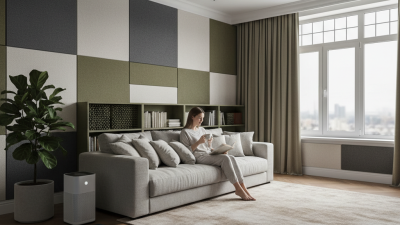
Soundproof acoustic technology plays a crucial role in modern architecture and construction. This technology is designed to reduce unwanted noise, enhancing comfort in various environments, from offices to homes. By incorporating specialized materials and techniques, it acts as a barrier against sound transmission. Many common materials, like thick curtains and foam panels, absorb sound waves effectively.
Understanding the mechanics behind soundproofing is essential. The technology often relies on dense materials that prevent sound from traveling through walls and floors. Air gaps can also help by disrupting sound energy. However, perfect soundproofing is often unattainable; some noise may still seep through. This imperfection can lead to frustration for users seeking complete silence.
In practice, various factors impact soundproofing effectiveness. The arrangement of rooms, types of construction materials, and even the building's shape can influence noise reduction. People sometimes overlook these details, mistakenly believing that all techniques will work uniformly. Awareness and adjustments are essential for achieving the best possible results in soundproofing.
Principles of Sound Transmission and Absorption in Acoustic Systems
Understanding the principles of sound transmission and absorption is crucial for effective acoustic systems. Sound travels through various media, including air, walls, and solid materials. The speed and quality of sound waves depend on these materials. For instance, dense materials can reflect sound, while porous materials absorb sound waves. According to the Acoustical Society of America, effective sound insulation can reduce noise levels by up to 85%.
Several factors influence how sound interacts with different surfaces. The frequency of the sound wave plays a key role. Low frequencies can penetrate materials more easily, whereas high frequencies tend to be absorbed more readily. A study from the National Institute of Standards and Technology indicates that room dimensions also affect how sound behaves. For example, irregularly shaped rooms can cause sound waves to bounce unpredictably, leading to echoes.
Acoustic systems aim to manage these variables effectively. However, designing an ideal space requires experience. Not all techniques will yield desired results. Room treatments can sometimes create new problems, such as excessive dampening, leading to a dead sound. Achieving a balanced acoustic environment is both an art and a science, often relying on trial and error.
Sound Proof Acoustic Technology: Sound Absorption Coefficients
Key Materials Used in Sound Proof Acoustic Technology
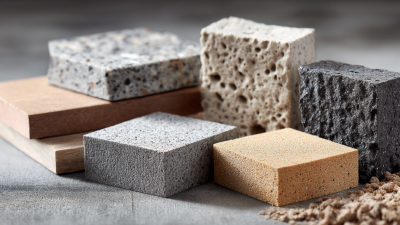
Sound proof acoustic technology relies on specific materials to effectively block and absorb sound. One of the key materials used is mass-loaded vinyl (MLV). This dense, flexible product is often installed in walls, ceilings, and floors. Its weight helps to reduce sound transmission, making it ideal for both residential and commercial settings. Another important material is acoustic foam, which is designed to absorb sound waves. This foam can be found in various shapes and sizes, enhancing its effectiveness in different environments.
Additionally, fiberglass insulation is frequently used in soundproofing. It has excellent sound absorption properties, making it suitable for use in walls and ceilings. This material also offers thermal insulation, providing dual benefits. Resilient channels are another critical component in soundproof construction. They decouple walls and ceilings, reducing vibrational energy transfer. Each of these materials plays a vital role in creating quieter spaces, but they must be used thoughtfully.
Many may overlook how crucial proper installation is for these materials. Even the best materials can fail if not integrated correctly. Small gaps or misalignments can significantly diminish effectiveness. It is essential to consult with experts to avoid common pitfalls. Understanding the intricacies of each material will lead to a better application, enhancing sound proofing benefits.
Applications of Sound Proof Acoustic Solutions in Various Environments
Sound proof acoustic solutions are crucial in various environments, enhancing comfort and functionality. For instance, in office spaces, improved acoustics can lead to a 20-30% increase in employee productivity, according to a 2020 report by the World Health Organization. Workers in quieter environments often experience less stress and better focus. Soundproofing can transform open-plan offices or conference rooms, making them more conducive to collaboration.
In residential settings, sound proof technologies can significantly enhance quality of life. Data from the National Institute of Environmental Health Sciences shows that noise pollution can increase anxiety levels by 30%. Effective sound barriers can reduce outdoor noise, creating a serene home environment. This is particularly important in urban areas where noise is prevalent.
Acoustic solutions also play vital roles in educational institutions. A study from the Acoustic Society of America finds that students retain 60% more information in soundproof classrooms. This highlights the importance of incorporating acoustic panels in schools to minimize distractions. However, achieving perfect sound seclusion is challenging and often requires ongoing evaluation and adjustments to existing systems.
Emerging Innovations and Future Trends in Acoustic Technology
Acoustic technology is evolving rapidly. Innovations are enhancing soundproofing solutions. These advancements cater to various industries, from construction to music production. The future of acoustic technology focuses on smarter materials and designs.
One emerging trend is the use of bio-based and recycled materials to absorb sound. These materials offer eco-friendly solutions without compromising effectiveness. Open-cell foams and natural fibers are gaining traction for their sound absorption capabilities. This shift reflects a growing awareness of environmental impact.
Tips for optimal soundproofing include careful planning of space layout. Position furniture strategically to enhance sound absorption. Use rugs and heavy curtains to minimize noise interference. Regularly evaluate your acoustic setup to adapt to changing needs. Investing in quality solutions can greatly enhance your auditory experience.
What is Sound Proof Acoustic Technology and How Does It Work? - Emerging Innovations and Future Trends in Acoustic Technology
| Acoustic Technology |
Description |
Applications |
Future Trends |
| Soundproof Panels |
Acoustic panels designed to absorb sound waves and reduce noise levels. |
Recording studios, offices, home theaters. |
Integration with smart home systems for enhanced noise management. |
| Acoustic Barriers |
Physical structures that block sound between sources and receivers. |
Highway noise reduction, industrial applications. |
Use of sustainable materials for environmental impact reduction. |
| Active Noise Control |
Technology emitting sound waves to cancel out unwanted noise. |
Aircraft, automotive, consumer electronics. |
Advancements in machine learning algorithms to enhance effectiveness. |
| Soundproof Windows |
Double or triple glazed windows designed to minimize sound transmission. |
Residential, commercial buildings. |
Innovations in glazing technology for better thermal and acoustic insulation. |
| Smart Acoustic Systems |
Technology that adapts to environmental noise levels. |
Public spaces, smart buildings. |
Emerging use of IoT for real-time acoustic environment monitoring. |