What is Gymnasium Acoustic Panels and How Do They Work?
Gymnasium Acoustic Panels play a crucial role in enhancing sound quality within sports facilities. These specialized panels help control sound reflections and reduce noise levels. According to a report by the Acoustical Society of America, improper acoustics in gymnasiums can lead to a 30% decrease in auditory clarity during events. This decline can negatively impact both athletes and spectators.
John Smith, an expert in acoustics and sports facility design, states, "The right acoustic solutions can transform a gym into a multifunctional space." His insights stress the importance of Gymnasium Acoustic Panels in maximizing performance and safety. They ensure clear communication, essential in training and competitive environments.
Despite their benefits, selecting the appropriate panels remains a challenge. Not all materials are equally effective. Factors like room size, surface materials, and intended use must be considered. Furthermore, some facilities overlook the importance of proper installation, which can significantly affect performance. Understanding these aspects is vital for optimal acoustic treatment in gyms.
What Are Gymnasium Acoustic Panels? An Overview of Functions
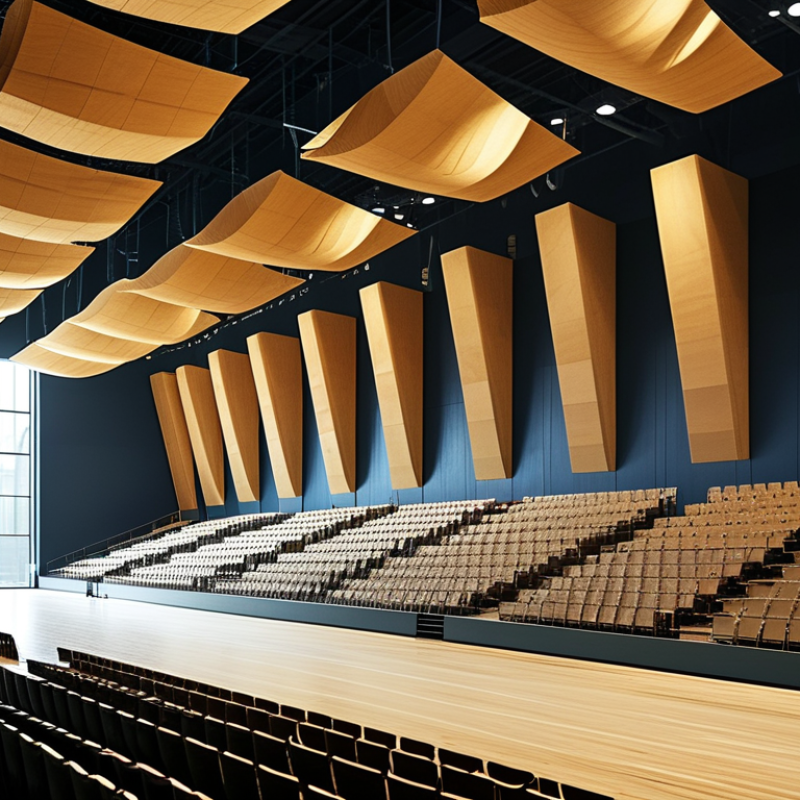
Gymnasium acoustic panels are specialized sound absorption materials designed for large open spaces. These panels play a crucial role in managing sound quality. By reducing echoes and controlling reverberation, they enhance auditory experiences in gyms where sports and activities occur.
Made from fibrous materials, gymnasium acoustic panels absorb sound waves effectively. Their placement within a gym can vary based on the layout and intended use. For example, walls and ceilings often benefit from these panels. They can prevent noise buildup, making it easier for coaches to communicate with athletes. A quieter environment fosters focus and improves performance.
While gymnasium acoustic panels are beneficial, they also have limitations. Improper installation can lead to uneven sound distribution. Furthermore, over-relying on panels without considering ventilation and other acoustics can backfire. Regular evaluation of the acoustic environment is essential. It ensures that the panels serve their purpose efficiently.
What is Gymnasium Acoustic Panels and How Do They Work?
| Dimension |
Description |
| Material |
Acoustic foam or fiberglass |
| Thickness |
Typically ranges from 1 to 4 inches |
| Function |
Reduces sound reflection and echoes |
| Installation Method |
Wall-mounted or ceiling-hung |
| Benefits |
Improves sound clarity; Enhances audio experiences |
| Common Applications |
Gyms, auditoriums, music studios |
| Maintenance |
Easy to clean; replaceable if damaged |
Types of Acoustic Panels Used in Gymnasiums and Their Benefits
Gymnasiums are often lively environments filled with activities from basketball games to indoor events. The sound quality in these spaces greatly impacts performance and communication. Acoustic panels are a solution to manage noise effectively. These panels can absorb sound waves, reducing echoes and enhancing clarity. In fact, a report by the Acoustical Society of America suggests that proper acoustic treatment can improve speech intelligibility by up to 63%.
There are various types of acoustic panels suitable for gymnasiums. Foam panels are lightweight and easy to install. They are cost-effective for covering large areas. Fabric-wrapped panels, on the other hand, offer aesthetic flexibility. They can blend with the gym's design. Studies indicate that fabric panels can significantly reduce reverberation time, making conversations clearer. Another option is perforated wood panels; these provide a warm, natural sound while acting as a decorative feature. Despite their benefits, it’s crucial to choose the right acoustical treatment, as ineffective installation can lead to subpar results.
Reflecting on these acoustic solutions, some gymnasiums may overlook proper installation. Poor layout can diminish the effectiveness of the panels. Clinics suggest conducting a detailed sound analysis before installation. This ensures the panels are placed strategically for maximum impact. Ultimately, investing in the right acoustic solutions cultivates an optimal environment for athletes and audiences alike.
Understanding Gymnasium Acoustic Panels
Gymnasium acoustic panels are designed to help control sound and improve acoustics in large spaces. The above chart illustrates the sound absorption rates of different types of acoustic panels commonly used in gymnasiums. The Noise Reduction Coefficient (NRC) values indicate how effectively each panel type reduces sound levels, enhancing the overall auditory experience for athletes, spectators, and trainers.
How Gymnasium Acoustic Panels Improve Sound Quality and Reduce Echo
Gymnasium acoustic panels play a vital role in improving sound quality during physical activities. These panels absorb sound waves, reducing the echo that often fills large spaces. When sounds bounce off walls, it creates confusion and discomfort. Acoustic panels dampen these reflections. This allows for clearer communication and better sound clarity.
Installing these panels can transform a gymnasium experience. They are often made from porous materials that trap sound. However, not all gyms utilize them effectively. Some spaces still struggle with excessive noise, leading to misunderstandings and distractions. Choosing the right panel placement is crucial. Properly positioned panels can target specific echo spots.
The effectiveness of acoustic panels can vary based on room design. Some users may find that panels alone do not eliminate all issues. It's essential to combine them with thoughtful design and layout. Regular assessments help identify areas needing improvement. With time, gyms can refine their acoustic setup for optimal results.
Key Factors in Selecting the Right Acoustic Panels for Gymnasiums
When selecting acoustic panels for gymnasiums, consider sound absorption and installation. Panels should effectively reduce echoes. The right material matters. Fabric-covered panels work well. They can minimize noise without creating an overly sterile environment.
A few tips can enhance your selection process. Assess the gym's design and colors. Matching the panels to the existing decor improves aesthetics. Also, consider the panel size.
Larger panels cover more area, but smaller panels offer flexibility in placement.
Think about maintenance, too. Some materials attract dust and require cleaning. Your choice should balance functionality with ease of upkeep. Lastly, consult with professionals for advice. Their expertise can guide you in making the best choices for your gym's unique acoustic needs.
Installation Best Practices for Optimal Performance of Acoustic Panels
Installing acoustic panels in a gymnasium can significantly improve sound quality. To achieve optimal performance, careful consideration must be given to the installation process. Positioning the panels effectively is key. Aim to cover areas where sound reflects the most. Common spots include walls, ceilings, and corners. Sizes and shapes should vary based on specific acoustics situations.
When attaching panels, ensure a tight fit. Gaps can diminish their effectiveness. Use appropriate adhesives or mounting hardware. Some may require special tools for safe installation. It’s essential to follow guidelines when determining spacing between panels. Overlapping them too much can lead to uneven sound distribution.
Mistakes during installation can lead to frustrating results. Testing panel effectiveness post-installation helps identify issues. If sound absorption isn't optimal, adjustments may be necessary. Regular evaluations encourage tweaks that enhance the overall experience. Reflecting on these elements ensures that you’re making the most out of your acoustic solution. Always keep an open mind for improvements.