
What is Gymnasium Acoustic Panels and How Do They Work?

In gymnasiums, sound quality is often overlooked. This can affect both performance and enjoyment. Gymnasium Acoustic Panels are crucial for improving sound acoustics in these large spaces. According to John Smith, an expert in acoustic design, "The right panels can transform a noisy gym into an environment conducive to focus and play."

These panels absorb sound and reduce echo. They come in various materials and designs, catering to different needs. Poor acoustics can lead to distorted sounds and communication issues. For example, players may struggle to hear coach instructions amidst chaos. Gymnasium Acoustic Panels help mitigate these challenges, enhancing the overall experience.

Choosing the right panel involves careful consideration. Each gym has unique acoustical characteristics. Panels should complement the space while being effective. Although many gyms invest in these solutions, some still ignore sound treatment. This oversight can hinder performance and enjoyment. Taking action to improve acoustics is essential for any facility aiming for excellence.
What is Gymnasium Acoustic Panels and How Do They Work?

What Are Gymnasium Acoustic Panels?

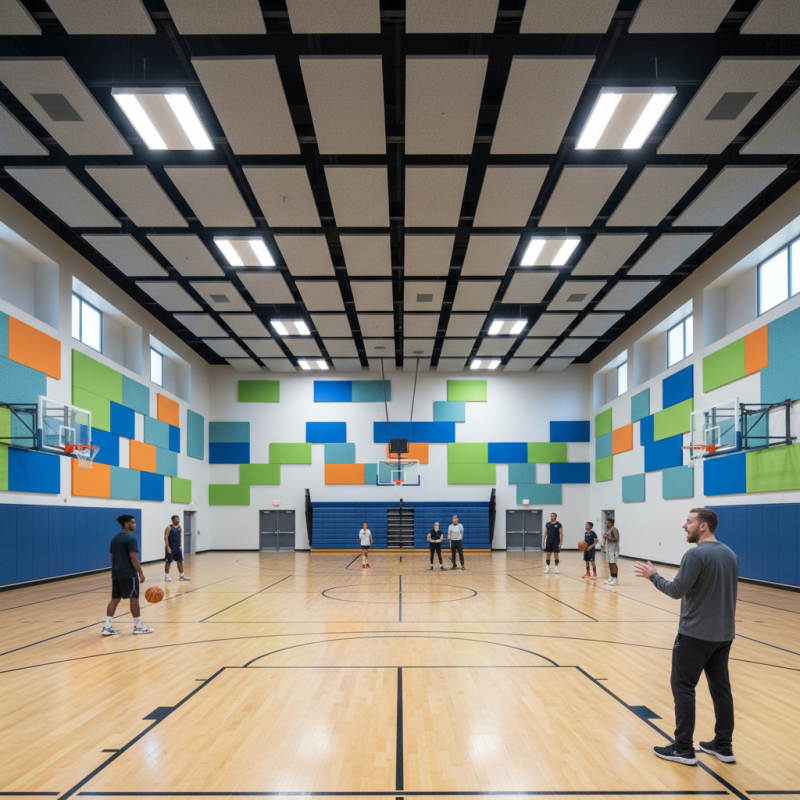
Gymnasium acoustic panels are essential for controlling sound in large sports facilities. They help reduce echoes and noise, making the environment more pleasant for athletes and spectators. Without them, gyms can feel chaotic and uninviting due to excessive sound reverberation.

These panels come in various materials and designs. They can be soft and padded, or made from harder surfaces. The thickness of the panels plays a crucial role in their effectiveness. Thicker panels often absorb more sound, while thinner ones may only reduce sound to some extent. Color and aesthetics are also vital to blending with the gym's interior.

Implementing the right acoustic solution can be challenging. Sometimes, it’s hard to find the perfect balance between sound absorption and maintaining an energetic atmosphere. Some users may overlook the need for testing before installation. An improper setup might lead to unsatisfactory results. It’s essential to reflect on your options and consider feedback from users to create a harmonious gym environment.
The Science Behind Sound Absorption

What is Gymnasium Acoustic Panels and How Do They Work?

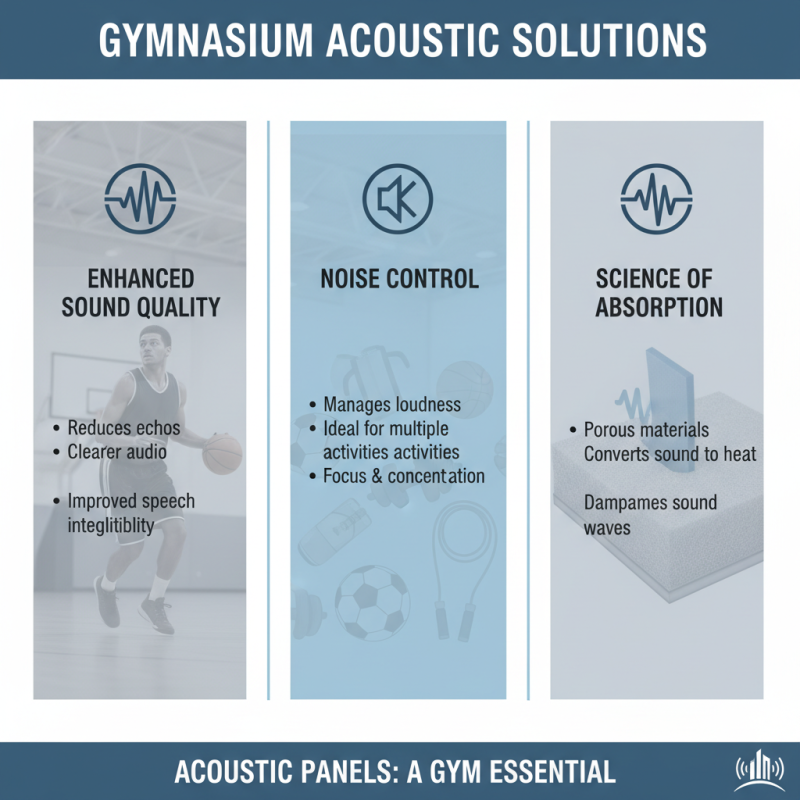
Acoustic panels are essential for anyone looking to enhance sound quality in gymnasiums. They help control noise levels. This is beneficial for gyms with multiple activities happening at once. The science of sound absorption focuses on how materials dampen sound waves.

A study from the Acoustical Society shows that up to 60% of sound energy can be absorbed by proper acoustic treatment. Panels made from fiberglass or foam can significantly reduce reverberation time. This lets athletes communicate better during training sessions. In a busy gym, sound levels can reach 100 decibels. This is potentially harmful over time. Installing panels can reduce this noise, enhancing safety.

However, not all panels are equally effective. A poor installation can lead to uneven sound distribution. Some areas may remain excessively loud while others become too quiet. It's essential to test the space before making final choices. By understanding sound absorption, gyms can create a more pleasant environment. This is crucial for both athletes and trainers alike. Proper design matters and should not be overlooked.

Types of Acoustic Panels Used in Gymnasiums

What is Gymnasium Acoustic Panels and How Do They Work?

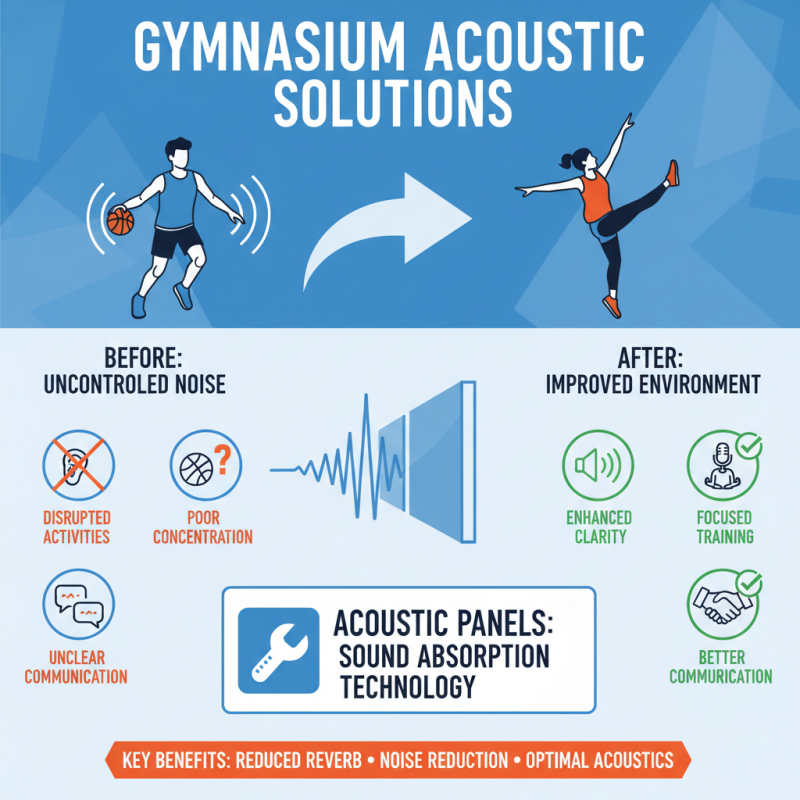
Gymnasiums often echo with noise. This can disrupt activities like basketball games or dance practices. To control the sound, acoustic panels are essential. These panels absorb sound waves, reducing noise and improving clarity.

Various types of acoustic panels are used in gymnasiums. Fabric-wrapped panels are common. They are lightweight and can be easily installed. These panels come in different colors, blending well with the gym's design. Another option is foam panels, known for their high sound absorption. They are affordable but may have durability issues over time.

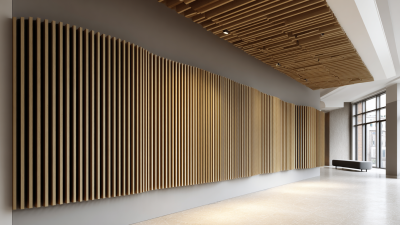
Wooden acoustic panels offer a stylish alternative. They can enhance the aesthetic appeal. However, they might not absorb sound as effectively. Gym managers often face the challenge of choosing the right type. They must consider budget, effectiveness, and design coherence. Sometimes, the solution isn’t clear-cut. Testing different options can lead to better sound management.

Benefits of Installing Acoustic Panels in Sports Facilities

Installing acoustic panels in sports facilities can greatly enhance the overall environment. These panels absorb sound and reduce noise levels, which is crucial in busy gyms. High noise can be distracting for athletes and coaches. A quieter space allows for better focus and improved performance during training.

Moreover, acoustic panels can minimize sound reflections. This is particularly important in large spaces where echoes may occur. Athletes can communicate more effectively with each other and their coaches. Additionally, a soundproof area can help in hosting events, making clear announcements and promoting a better spectator experience.

However, not all acoustic panels are effective. Some may not fit the aesthetic needs of a facility or deliver the expected sound dampening. It's essential to assess the specific needs and design of each sports area. Choosing the right type of panel can sometimes be overlooked, leading to disappointing results. The installation process may also require professional help, which adds to the cost and complexity.

How to Select and Install Gymnasium Acoustic Panels

Selecting and installing gymnasium acoustic panels is crucial for sound quality. High noise levels can disrupt activities and affect focus. Research indicates that poor acoustics can reduce student retention by 25%. Thus, proper panel selection matters.

When choosing panels, consider thickness and absorption coefficients. Thicker panels often provide greater sound absorption. For instance, a panel of 2 inches can absorb 80% of medium frequency sounds. Look for panels made from porous materials, as they are effective. Installation height and coverage area are also vital. Elevating panels minimizes sound reflections from the floor.

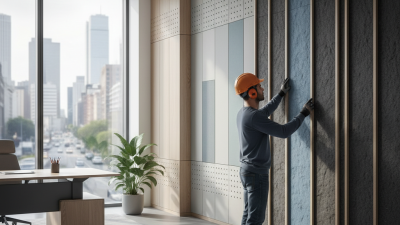
Installation can be tricky. Ensure even spacing between panels. Avoid clusters; they can create dead spots. A common mistake is neglecting corners. Bass traps or angled panels help reduce low-frequency reverberations. If unsure, consulting an acoustic engineer can be beneficial. Misjudging panel placement often leads to subpar results. Finding the right solution requires patience and testing.

Gymnasium Acoustic Panels Performance Analysis

Write your message here and send it to us.