Top 10 Fluted Acoustic Panels for Better Sound Quality in Your Space
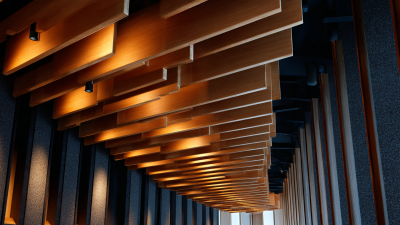
In the quest for enhanced sound quality within various environments, fluted acoustic panels have emerged as a popular solution among architects and designers alike. John Smith, a renowned acoustics expert, once stated, "Fluted Acoustic Panels not only improve sound absorption but also add an aesthetic element to any space." This highlights the dual benefit of these panels, transforming the auditory experience while simultaneously elevating the visual appeal of interiors.
Fluted acoustic panels utilize a unique design that effectively reduces noise and reverberation through strategically placed grooves. This innovative approach allows for optimal sound diffusion, making these panels ideal for settings such as recording studios, conference rooms, and personal entertainment areas. With an increasing demand for both functional and stylish acoustical solutions, understanding the top options available can significantly enhance any project.
In this article, we will explore the top 10 fluted acoustic panels that stand out in terms of performance and design. By integrating these panels into your space, you can create an environment that fosters clear communication and enjoyable sound quality, proving that aesthetics and functionality can indeed go hand in hand.

Top 10 Fluted Acoustic Panels for Enhanced Sound Quality in Various Spaces
When it comes to enhancing sound quality in various spaces, fluted acoustic panels offer an attractive and effective solution. These panels are designed to absorb sound waves and minimize echo, making them ideal for environments such as recording studios, home theaters, restaurants, and offices. By controlling sound reflections, fluted acoustic panels help create a more pleasant auditory experience, allowing conversations and music to be enjoyed without the disruptive background noise.
When selecting fluted acoustic panels, consider the material and thickness of the panels, as these factors significantly affect sound absorption. Additionally, the placement of the panels can greatly influence their performance; positioning them strategically in corners and along walls can optimize their acoustic benefits.
**Tips:** Always measure your space before purchasing panels to determine the quantity needed. Experiment with different panel arrangements to find the best configuration for your space. Also, don't overlook aesthetic aspects; many panels come in various colors and finishes, allowing you to seamlessly integrate them into your interior design while improving sound quality. By thoughtfully incorporating these elements, you can transform your space into an acoustically balanced environment that enhances both functionality and style.
Understanding the Importance of Acoustic Treatment for Sound Control
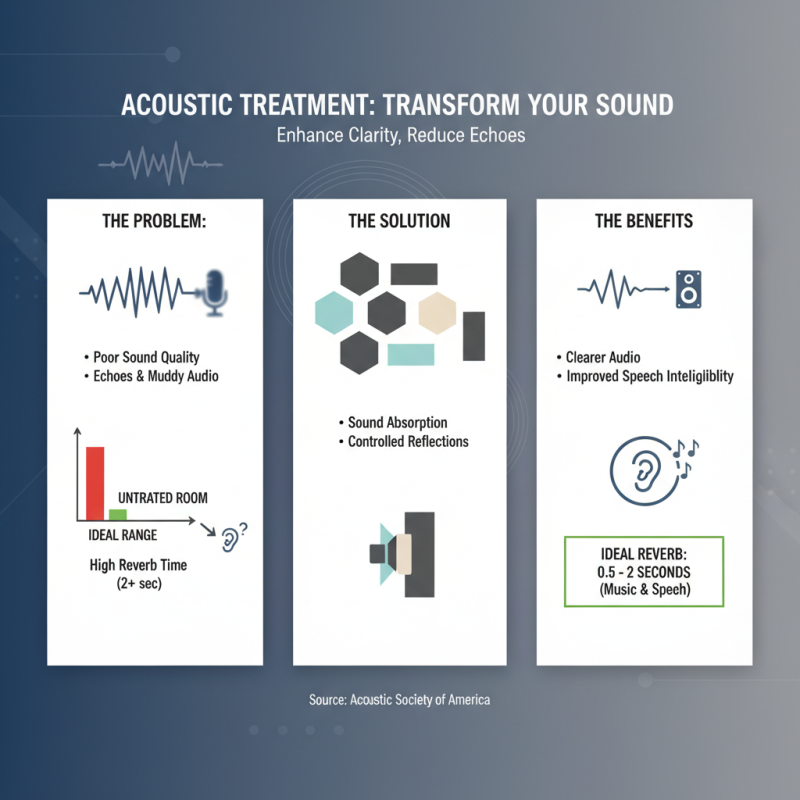
Acoustic treatment plays a crucial role in enhancing sound quality in various environments, from recording studios to home theaters. Poor acoustics can lead to sound reflections, echoes, and overall muddy audio quality, which can detract from the listener's experience. According to the Acoustic Society of America, untreated spaces can have a reverberation time that significantly exceeds the ideal range for music and speech (0.5 to 2 seconds). This can lead to difficulties in sound clarity and intelligibility, particularly in public spaces and venues.
Implementing effective acoustic treatment, such as fluted acoustic panels, can dramatically reduce unwanted reverberations and improve sound absorption. Research indicates that strategically placed acoustic panels can reduce decibel levels by up to 10 dB, providing a marked improvement in sound control. The use of multiple panel types and arrangements also allows for the customization of acoustic properties according to the unique characteristics of any given space, optimizing the listening experience. As the demand for heightened auditory environments grows in both professional and personal settings, understanding and applying acoustic treatment becomes not only beneficial but essential for achieving superior sound quality.
Key Features to Consider When Selecting Fluted Acoustic Panels
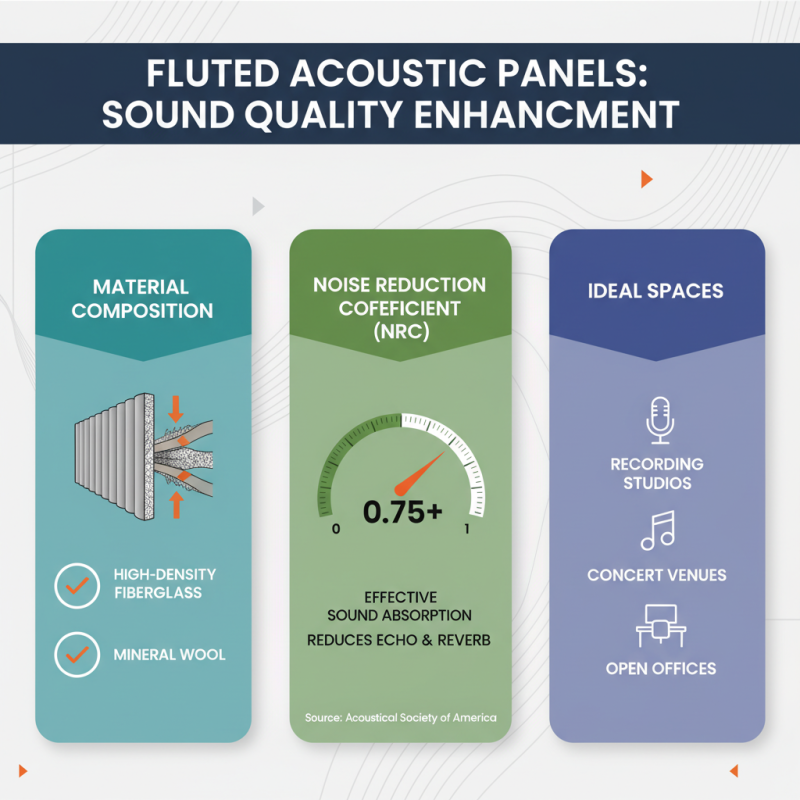
When selecting fluted acoustic panels for enhancing sound quality in a space, several key features should be prioritized. First, the material composition plays a significant role in sound absorption effectiveness. Panels made from high-density fiberglass and mineral wool are often recommended, as they can effectively reduce sound waves and prevent echo. According to a report by the Acoustical Society of America, panels with a Noise Reduction Coefficient (NRC) rating of 0.75 or higher are particularly effective in controlling sound reflections, making them an essential consideration for spaces such as recording studios, concert venues, and even open office environments.
Another important factor is the panel thickness. Thicker panels tend to absorb lower frequencies more effectively, which is crucial in environments where bass sounds may dominate. Research shows that panels with a thickness of at least 2 inches can significantly enhance acoustic performance, as this dimension enables them to tackle a wider range of sound frequencies. Furthermore, the design and pattern of fluted panels can also influence both aesthetics and sound quality. A study indicated that specific geometrical designs can diffuse sound waves, leading to a more balanced sound profile in the room. By considering these features—material, thickness, and design—users can select the ideal fluted acoustic panels to enhance their sound experience.
Comparative Analysis of Material Types and Their Acoustic Properties
When selecting fluted acoustic panels, it’s essential to understand the impact of material types on sound quality.
Common materials used in acoustic panels include fiberglass, foam, and wood.
Fiberglass panels are often praised for their high sound absorption properties, making them suitable for environments where clarity and reduction of echoes are a priority.
Their dense structure enables them to trap sound waves effectively, contributing to a more controlled acoustic environment.
Foam panels, particularly those with a fluted design, offer versatility in both application and aesthetic.
While they may not absorb sound as efficiently as fiberglass, their lightweight nature and varied thicknesses provide a practical solution for home studios and commercial spaces alike.
The open-cell structure of foam allows for decent sound absorption, particularly in lower frequency ranges, thus improving overall sound quality without overly complicating installation.
Wood panels, on the other hand, bring a unique acoustic quality, often preferred for their natural aesthetic and ability to reflect sound.
Depending on the wood type and finish, these panels can enhance the richness of sound while also providing some level of sound diffusion.
Combining different materials in a space can leverage the strengths of each type, leading to an ideal acoustic balance for various environments, from recording studios to conference rooms.
Industry Insights: How Acoustic Panels Improve Sound Quality Metrics
Acoustic panels play a crucial role in enhancing sound quality in various environments, from home theaters to open office spaces. These panels are designed to absorb sound waves, reducing echo and reverb which can muddle audio clarity. By utilizing fluted acoustic panels, users can significantly improve sound quality metrics such as speech intelligibility and music fidelity. This leads to a more pleasant auditory experience, making conversations clearer and music more enjoyable.
When considering the placement of acoustic panels, it is essential to strategically position them in areas where sound reflections are most problematic. Tips for effective installation include identifying spots on walls or ceilings where sound reflects back into the room, and applying panels in a pattern that minimizes these reflections. Utilizing a combination of different panel sizes and orientations can also enhance the overall sound management of the space.
Furthermore, the aesthetic appeal of fluted acoustic panels can complement the interior design while providing functional benefits. It’s beneficial to explore various finishes and colors that harmonize with the existing decor. This dual functionality ensures that sound quality improvements enhance not just auditory experiences but also the visual appeal of the environment.
Top 10 Fluted Acoustic Panels for Better Sound Quality