10 Essential Tips for Choosing Acoustic Ceiling Wood for Your Space
When it comes to designing functional and aesthetically pleasing interiors, the choice of materials can significantly impact the overall atmosphere of a space. One such element that has gained popularity in recent years is Acoustic Ceiling Wood. This innovative solution combines both style and sound absorption, making it a favorite among architects and interior designers seeking to enhance the acoustic quality of various environments, from offices to homes. However, with numerous options available on the market, selecting the right Acoustic Ceiling Wood can be overwhelming.
In this article, we aim to simplify the decision-making process by providing you with ten essential tips for choosing the ideal Acoustic Ceiling Wood for your space. From considering the wood species and finishes to evaluating sound absorption properties and installation methods, each tip is designed to guide you toward making an informed choice that aligns with your design goals and acoustic needs. Whether you are refurbishing an existing space or starting from scratch, understanding the nuances of Acoustic Ceiling Wood will empower you to create a harmonious balance between functionality and aesthetics.
Understanding the Basics of Acoustic Ceiling Wood and Its Benefits
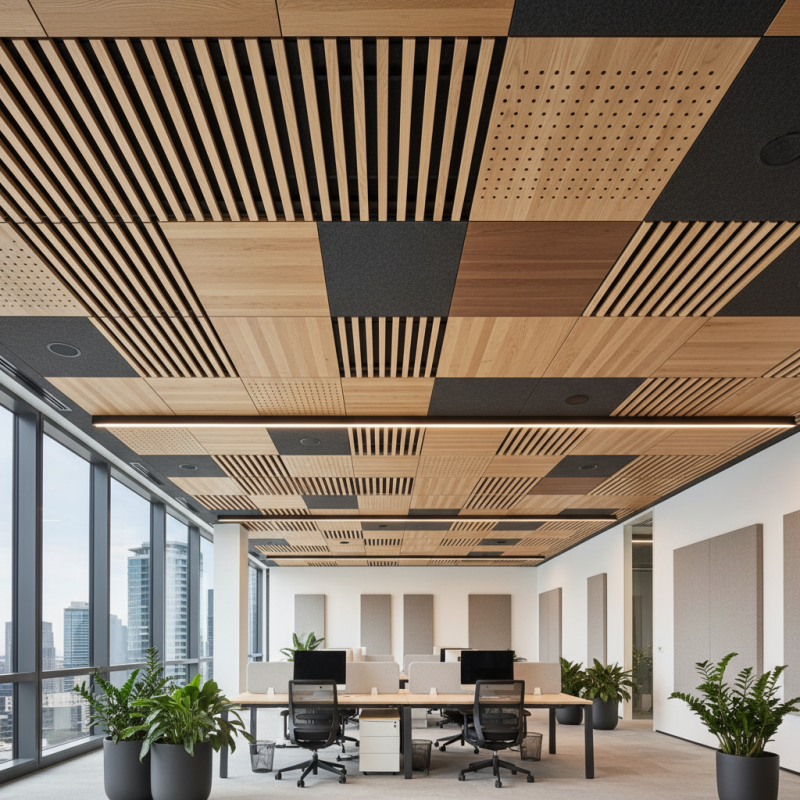
Acoustic ceiling wood is increasingly gaining popularity in both commercial and residential spaces due to its ability to enhance sound quality and aesthetics. Understanding the fundamental properties of acoustic ceiling wood can significantly impact your choice and its effectiveness in your environment. According to a study by the American Institute of Architects, environments that prioritize sound quality, such as offices and educational institutions, can see productivity improve by up to
20% when proper acoustic treatment is utilized.
The benefits of acoustic ceiling wood extend beyond mere sound absorption; they also contribute to the overall ambiance by introducing warmth and character to a space. The National Wood Flooring Association indicates that wood products can reduce echo and improve speech clarity, making them ideal for conference rooms and public venues. Moreover, acoustic wood ceilings are often designed with sustainability in mind, utilizing materials that can lead to
LEED certification, further enhancing their appeal among eco-conscious consumers. Choosing the right acoustic ceiling wood not only ensures effective sound management but also aligns with aesthetic and environmental values.
Evaluating Different Types of Acoustic Wood for Sound Absorption
When it comes to designing spaces with optimal sound quality, selecting the right acoustic ceiling wood is crucial. Various types of wood offer different sound absorption qualities, impacting the acoustic performance of a room. According to a report by the Acoustical Society of America, wood materials with a higher density and fibrous structure tend to absorb sound more effectively. For instance, hardwoods like oak and maple can provide superior acoustic properties compared to softer woods. Evaluating the density and grain pattern is essential in making the right choice for your space.
Tip 1: Before making a decision, consider the purpose of the room. For example, spaces designed for music production or conferencing will greatly benefit from wood types that enhance clarity and reduce echoes. On the other hand, a casual dining area might prioritize aesthetic appeal while still incorporating some acoustic properties.
Tip 2: Test the acoustic performance of wood samples in your space before installation. A simple yet effective method involves creating small panels and recording sound levels using a decibel meter, which can help visualize the wood's impact on sound levels. This hands-on approach can prevent costly mistakes and ensure the chosen material meets the required acoustic standards. By understanding these variables, you can make informed decisions that enhance both the aesthetics and functionality of your environment.
10 Essential Tips for Choosing Acoustic Ceiling Wood for Your Space
| Tip |
Description |
Type of Wood |
Sound Absorption Rating (NRC) |
| 1. Assess Your Space |
Consider the size, shape, and purpose of the room before choosing wood. |
Plywood |
0.30 |
| 2. Check Sound Absorption |
Ensure the wood has a good sound absorption coefficient. |
Bamboo |
0.45 |
| 3. Consider Aesthetics |
Choose a wood finish that complements your interior design. |
Oak |
0.50 |
| 4. Durability Matters |
Select wood that can withstand wear and tear in high-traffic areas. |
Maple |
0.40 |
| 5. Eco-Friendliness |
Opt for sustainably sourced wood to reduce environmental impact. |
Reclaimed Wood |
0.55 |
| 6. Installation Technique |
Choose wood that fits your installation method, be it glue, nails, or clips. |
Cedar |
0.35 |
| 7. Test Samples |
Always test wood samples in your space to evaluate aesthetics and sound absorption. |
Spruce |
0.37 |
| 8. Finishing Touches |
Consider finishes that enhance sound absorption while adding beauty. |
Birch |
0.32 |
| 9. Budget Wisely |
Plan your budget to include material and installation costs. |
Ash |
0.38 |
| 10. Seek Professional Advice |
Consult with acoustics experts or designers for the best results. |
Mahogany |
0.42 |
Assessing Aesthetic Factors: Color, Texture, and Style of Acoustic Wood
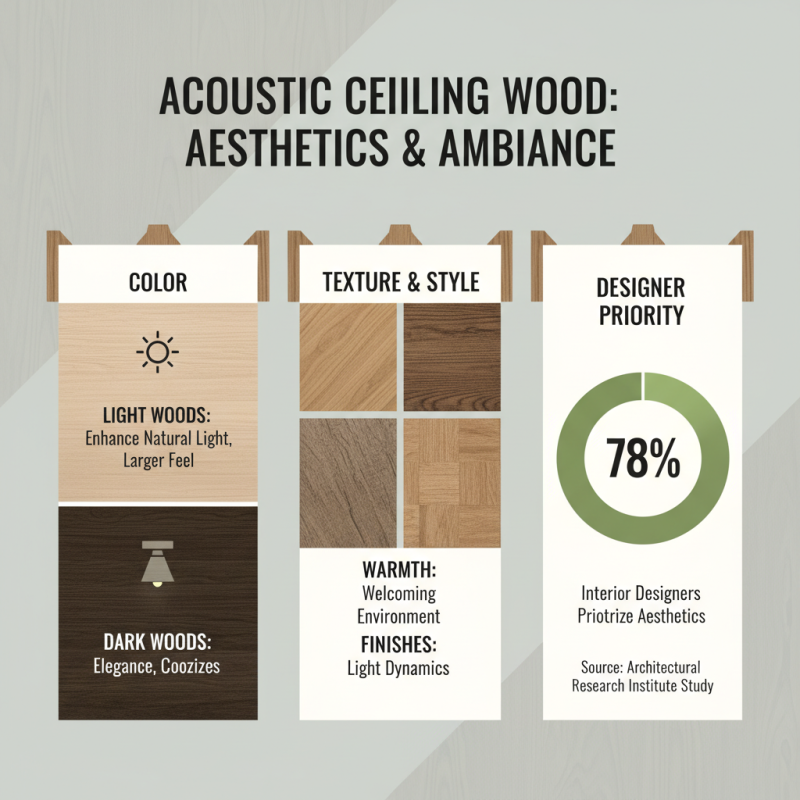
When choosing acoustic ceiling wood, aesthetic factors such as color, texture, and style play a crucial role in the overall ambiance of your space. A recent study from the Architectural Research Institute highlights that 78% of interior designers prioritize these elements when curating materials for their projects. The warmth of wood can create a welcoming environment, while different finishes can significantly influence the light dynamics within a room. For instance, lighter shades of wood can enhance natural light, making spaces appear larger, whereas darker tones can add a touch of elegance and coziness.
Tip: When selecting acoustic wood, consider the existing color palette of your space. Woods with a natural finish complement neutral tones well, while more vibrant stains can act as a focal point, enhancing the overall design.
Texture is another vital aspect that influences acoustics and visual appeal. A smooth finish may offer a modern aesthetic, while rough-sawn textures foster a rustic charm. According to a report by the Wood Products Council, textured surfaces can improve sound absorption qualities, making them suitable for spaces like offices and theaters where acoustics are essential.
Tip: When in doubt, order samples of various textures and finishes to see how they interact with light and sound in your specific environment. This hands-on approach allows for a more informed decision that aligns with both functional and aesthetic requirements.
Choosing the Right Wood Thickness for Optimal Acoustic Performance
When selecting acoustic ceiling wood, the thickness of the material plays a crucial role in achieving optimal acoustic performance. According to industry research published by the Acoustical Society of America, sound absorption characteristics significantly improve with wood thickness up to a certain point. Specifically, panels measuring at least 1 inch thick can effectively reduce reverberation time in spaces like recording studios and performance venues, allowing for clearer sound quality. This is particularly important in environments where speech intelligibility and musical clarity are paramount.
Moreover, a study by the National Institute of Building Sciences highlights that wood materials with varying thicknesses can cater to diverse acoustic needs. For example, thicker panels tend to provide better low-frequency sound absorption, while thinner options may excel in higher frequencies. It is essential, therefore, to assess the acoustic requirements of the space and choose wood thickness accordingly. By understanding the relationship between wood thickness and acoustic performance, you can create an environment that not only looks aesthetically pleasing but also performs exceptionally well in terms of sound quality.
Maintenance Tips to Preserve the Quality of Acoustic Ceiling Wood
When it comes to maintaining the quality of acoustic ceiling wood, regular upkeep is crucial. One of the primary maintenance tips is to keep the wood clean and free from dust or residue buildup. A gentle, damp cloth can be used to wipe down the surfaces periodically, ensuring that any particles that could disrupt the acoustic properties are removed. Avoid using harsh chemicals or abrasive materials, as these can damage the finish and affect sound absorption.
In addition to cleaning, it's important to keep the humidity levels stable in the space where the acoustic ceiling wood is installed. Wood is sensitive to moisture, and fluctuations can lead to warping or cracking. Investing in a dehumidifier or humidifier can help maintain the optimal conditions for the wood. Finally, periodic inspections for any signs of wear or damage are essential. Addressing small issues such as scratches or dents promptly can prevent more significant problems down the road and help preserve the wood's appearance and functionality.