7 Essential Tips for Choosing Seamless Acoustic Ceiling Solutions
In the rapidly evolving world of interior design, Seamless Acoustic Ceilings have emerged as a vital component in creating functional and aesthetically pleasing environments. According to a report by the global construction market analytics firm,
MarketsandMarkets, the acoustic ceiling market is expected to reach $17.37 billion by 2026, demonstrating a compound annual growth rate (CAGR) of 8.3% from 2021. This rise is fueled by increasing demand for noise reduction solutions in diverse settings, from commercial offices to educational institutions.
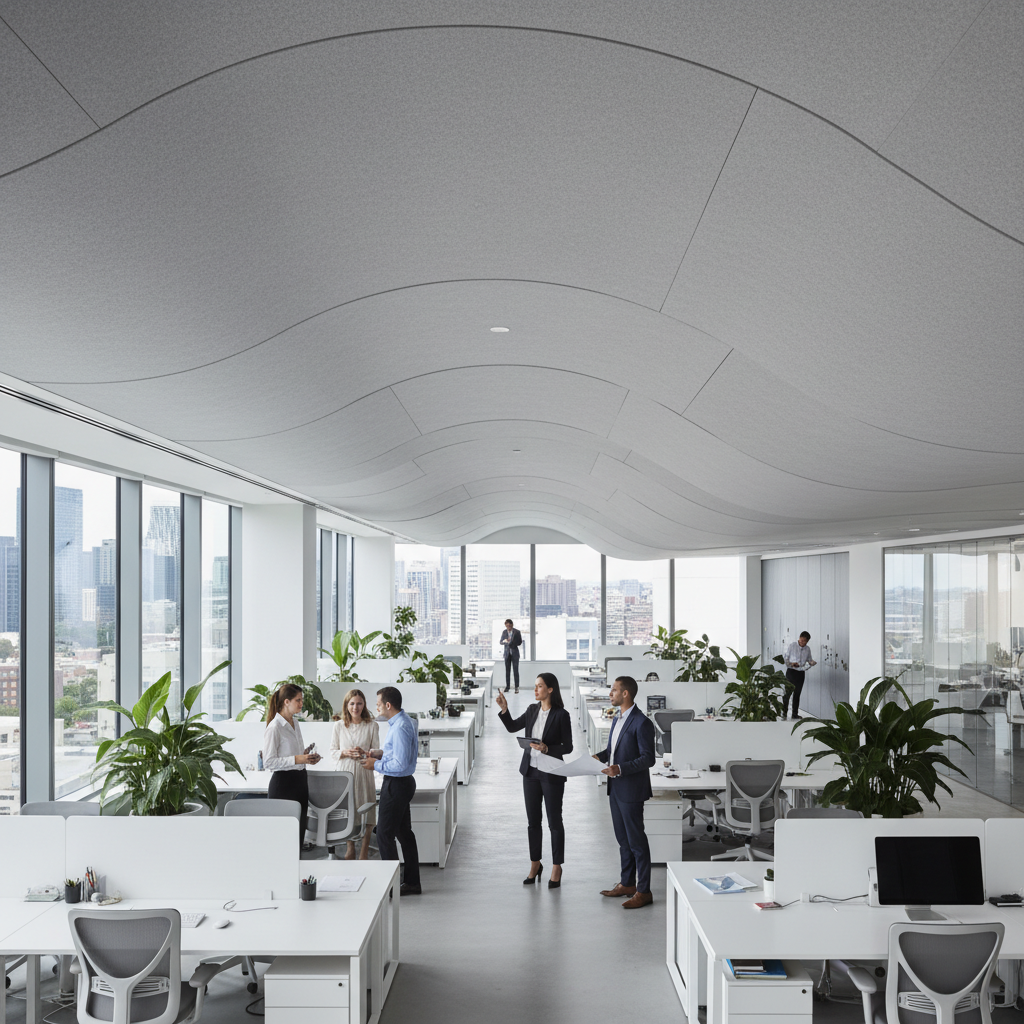
Leading industry expert Dr. Rachel Green, a renowned acoustics consultant, emphasizes the significance of selecting the right acoustic ceiling solution: "Choosing the right Seamless Acoustic Ceiling is not just about aesthetics; it profoundly impacts the acoustics and overall experience of the space." With growing awareness of the importance of sound management in enhancing productivity and well-being, it’s essential for designers and architects to consider various factors when making their selection. Our exploration of the top 7 essential tips will equip you with the knowledge needed to choose the perfect Seamless Acoustic Ceiling solution for your next project.
Key Factors to Consider for Optimal Acoustic Performance in Seamless Ceiling Solutions
When selecting seamless acoustic ceiling solutions, it is crucial to consider several key factors to ensure optimal acoustic performance. The design should prioritize high sound absorption while maintaining a visually appealing appearance. Systems with features such as air-purifying technology can enhance indoor air quality while minimizing sound distractions, making them ideal for environments like classrooms and concert halls where clarity of speech and music is vital. This balance is especially important in multipurpose spaces that serve various acoustic needs, necessitating careful attention to the material and construction of the ceiling.
Another essential consideration is the integration of aesthetic elements with functional requirements. Innovative designs that allow for seamless integration of lighting and other services not only enhance visual appeal but also contribute to the overall acoustic performance. With the introduction of advanced acoustic solutions, the possibilities for creative interior design are expanding, allowing architects and designers to achieve their desired outcomes without compromising on sound quality. Attention to these aspects will not only improve the effectiveness of the space but also contribute positively to the overall user experience.
Understanding the Impact of Noise Reduction Coefficients on Acoustic Ceiling Selection
When selecting seamless acoustic ceiling solutions, understanding the Noise Reduction Coefficient (NRC) is essential. The NRC is a crucial metric that assesses how much sound is absorbed versus reflected by a ceiling. A higher NRC indicates better sound absorption, making it vital for spaces where acoustic performance is a priority, such as offices, schools, and healthcare facilities. By evaluating the NRC of different ceiling materials, you can ensure a quieter and more comfortable environment.
To aid in your selection process, here are some essential tips:
- First, consider the specific acoustic needs of your space. Different environments may require varied levels of sound absorption, so tailor your choice accordingly.
- Second, prioritize materials with high NRC ratings, as these will significantly enhance the acoustic quality of your area.
- Lastly, consult with professionals who can help assess your space's acoustics and recommend the best seamless ceiling solutions, ensuring that you make a knowledgeable choice that meets both aesthetic and functional requirements.
Analyzing Material Options: The Role of Sustainability in Acoustic Ceiling Choices
When selecting acoustic ceiling solutions, sustainability plays a critical role in material options. Choosing eco-friendly materials not only contributes to environmental conservation but also ensures a healthier indoor atmosphere. Products made from recycled or rapidly renewable resources, such as bamboo or recycled metal, can significantly reduce the carbon footprint of a construction project. Furthermore, sustainable materials often offer superior acoustic performance, enhancing sound absorption while aligning with green building practices.
In addition to performance and sustainability, considering the lifecycle of materials is essential. Opting for ceiling solutions that require minimal maintenance and have long-lasting durability can help lessen resource consumption over time. Moreover, many manufacturers have begun to prioritize transparency around the sourcing and manufacturing processes of their products. By opting for brands committed to sustainable practices, architects and builders can make informed choices that support both aesthetic and environmental goals, ultimately leading to smarter and more responsible building projects.
Evaluating Aesthetic Integration: Harmonizing Design with Functional Acoustic Solutions
When selecting seamless acoustic ceiling solutions, it is crucial to balance aesthetic integration with functionality. The design of any interior space requires a cohesive look that enhances ambiance while addressing practical acoustic needs. Careful consideration of materials, colors, and textures can create a visually appealing environment that does not compromise on sound control. By choosing acoustic ceiling solutions that harmonize with the overall design theme, one can achieve a seamless blend that elevates the space.
Emerging trends in high-end aesthetic surfaces highlight the importance of innovation in design. Selecting the right materials, such as sintered stone, can vastly improve the aesthetic while providing effective acoustic properties. As the demand for visually striking yet functional interior solutions grows, designers are encouraged to explore options that not only meet performance criteria but also contribute to the overall beauty of the environment. This thoughtful approach ensures that every element works together, creating a space that is both functional and inherently stylish.
Exploring Cost-Effectiveness: Balancing Budget with Long-Term Acoustic Benefits
When it comes to selecting seamless acoustic ceiling solutions, balancing cost-effectiveness with long-term acoustic benefits is essential. Organizations need to carefully assess their budgets while ensuring they invest in high-quality acoustic treatments that deliver optimal sound performance. Although initial costs may seem daunting, the long-term advantages—such as enhanced sound quality and reduced reverberation—can justify the expense. With proper planning, clients can navigate this landscape without compromising on quality or breaking the bank.
Moreover, the transformation of spaces, much like community housing initiatives, illustrates the importance of strategic investments in effective solutions that serve multiple purposes. Just as the conversion of outdated facilities into valuable housing showcases a commitment to sustainability and community needs, so too should the choice of acoustic solutions find a balance between financial responsibility and the acoustic environment. By thoughtfully integrating quality materials, decision-makers can ensure that their installations not only meet current needs but also support future acoustic functionality, embodying a holistic approach to interior design and space utility.
Acoustic Ceiling Solutions: Cost vs. Long-Term Benefits