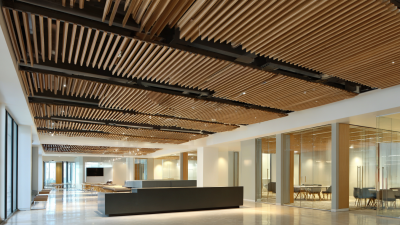
The Science Behind Curved Acoustic Panels Improving Sound Quality in Modern Spaces
In today's architectural landscape, sound quality is increasingly recognized as a crucial element in the design of modern spaces, ranging from offices to concert halls. According to a report by the International Journal of Architectural Research, effective acoustic treatment can enhance speech intelligibility by up to 40%, significantly impacting work efficiency and overall user satisfaction.
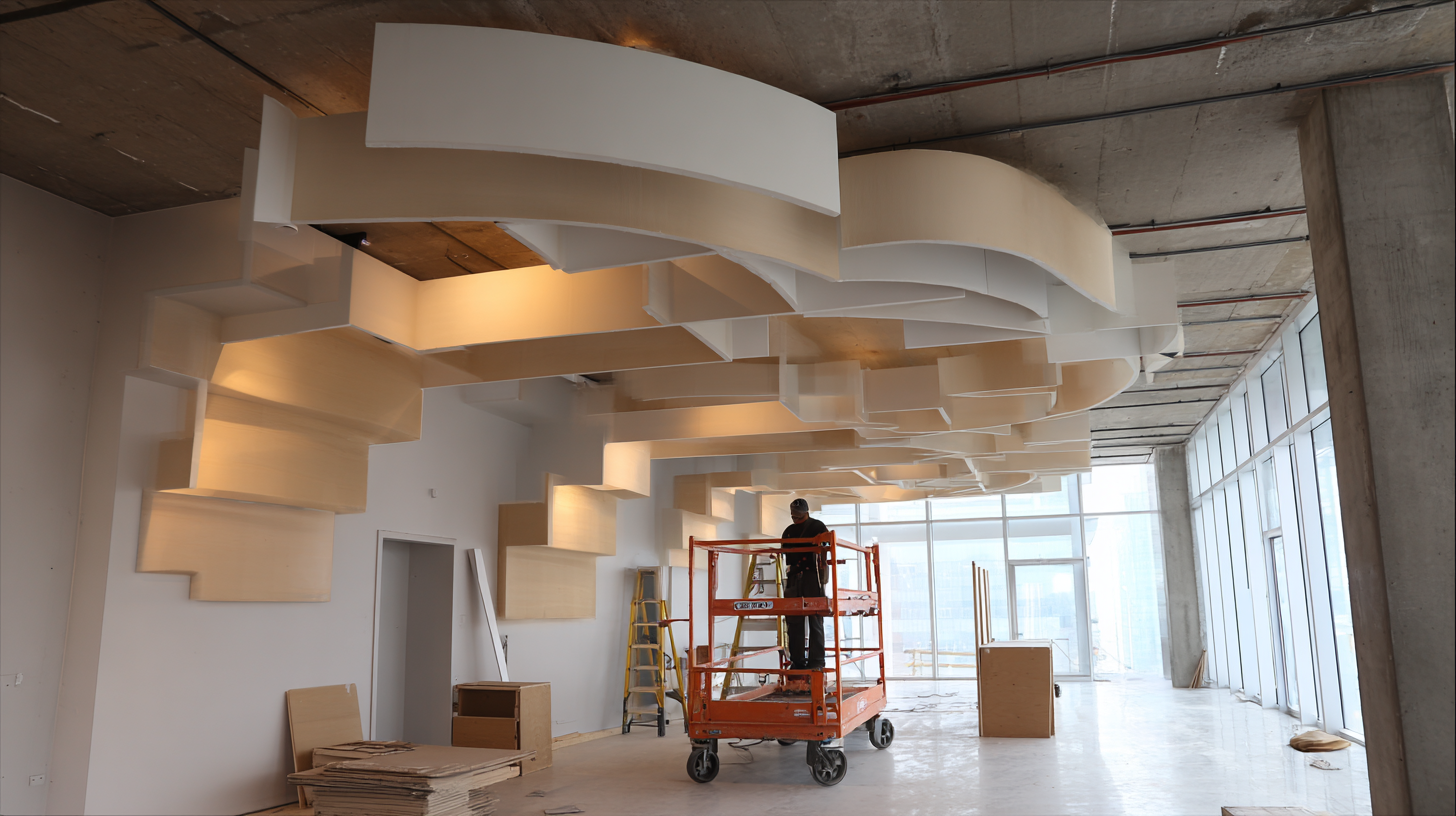 Among the most innovative solutions are Curved Acoustic Panels, which not only serve as aesthetically pleasing design elements but also optimize sound distribution and absorption. These panels leverage advanced materials and geometric configurations to minimize sound reflections and reverberations, leading to clearer auditory experiences in varied environments.
As the demand for optimal acoustic conditions in public spaces and workplaces grows, understanding the science behind Curved Acoustic Panels becomes essential for architects, designers, and contractors aiming to create high-performing sound environments.
Among the most innovative solutions are Curved Acoustic Panels, which not only serve as aesthetically pleasing design elements but also optimize sound distribution and absorption. These panels leverage advanced materials and geometric configurations to minimize sound reflections and reverberations, leading to clearer auditory experiences in varied environments.
As the demand for optimal acoustic conditions in public spaces and workplaces grows, understanding the science behind Curved Acoustic Panels becomes essential for architects, designers, and contractors aiming to create high-performing sound environments.
Understanding Acoustic Principles: How Curved Panels Function in Sound Absorption
Curved acoustic panels utilize fundamental principles of sound absorption to enhance audio quality in modern environments. The shape of these panels allows them to interact with sound waves more effectively than flat surfaces. When sound waves hit a curved panel, they are dispersed in multiple directions rather than being reflected back directly. This diffusion reduces echoes and reverberation, creating a clearer auditory experience within a space.
The effectiveness of curved panels also hinges on the materials used in their construction. Commonly made from sound-absorbing materials like foam or fabric, these panels are designed to minimize sound reflection. The curvature adds an additional layer of complexity, as it encourages sound waves to lose energy upon contact, thus converting sound energy into heat. This interaction not only improves the overall acoustic profile of a room but also contributes to a more comfortable listening environment, whether in a concert hall, studio, or office space.
The Impact of Curvature on Acoustic Performance: Benefits and Limitations
The impact of curvature on acoustic performance is a crucial aspect of designing effective sound control solutions in modern spaces. Curved acoustic panels are engineered to manipulate sound waves in ways that flat surfaces cannot achieve. Their unique geometry allows them to diffuse sound more evenly across a room, minimizing echo and reverberation. By redirecting sound waves, these panels can enhance speech intelligibility and improve the overall auditory experience, making them particularly beneficial in environments like auditoriums, theaters, and open-plan offices.
However, while curved panels offer significant advantages, they also come with certain limitations. The effectiveness of these panels can vary depending on the specific shape and material used, as well as the room's dimensions and existing acoustic treatments. Improper placement or an overly pronounced curve may lead to uneven sound distribution, potentially exacerbating acoustic issues rather than alleviating them. Consequently, it is essential to consider both the design and acoustic characteristics of the space when integrating curved acoustic panels, ensuring that their benefits are fully realized while managing their limitations effectively.
The Science Behind Curved Acoustic Panels Improving Sound Quality in Modern Spaces - The Impact of Curvature on Acoustic Performance: Benefits and Limitations
| Acoustic Panel Type |
Curvature Type |
Sound Absorption Coefficient |
Average Frequency (Hz) |
Benefits |
Limitations |
| Curved Foam Panel |
Convex |
0.85 (at 500 Hz) |
500 |
Excellent for mid-frequency absorption, aesthetic appeal |
Limited effectiveness at low frequencies |
| Curved Wooden Panel |
Concave |
0.75 (at 250 Hz) |
250 |
Natural aesthetic, good for sound diffusion |
More expensive material, not as effective in high frequencies |
| Curved Fabric Panel |
Hybrid |
0.90 (at 1000 Hz) |
1000 |
High effectiveness across frequencies, customizable designs |
Potential for staining over time |
| Curved Acoustic Tile |
Spherical |
0.70 (at 125 Hz) |
125 |
Good low-frequency absorption, easy to install |
Heavy, may require additional support |
Quantifying Sound Quality Improvement: Industry Studies and Statistical Data
Curved acoustic panels are increasingly recognized for their ability to enhance sound quality in modern spaces, supported by various industry studies that quantify their effectiveness. Research indicates that the unique shape of these panels can significantly reduce reverberation times and improve auditory clarity in both residential and commercial environments. For instance, a study conducted by the Acoustical Society of America highlighted that installations of curved panels in auditoriums led to a 30% improvement in speech intelligibility, making them an invaluable asset for enhancing acoustic performance.
Tip: When selecting acoustic panels, consider the specific contours and dimensions that best fit your space. Curved designs can target sound waves more effectively, reducing echoes.
Statistical analysis further demonstrates the advantages of curved panels over flat designs. A survey by the National Institute of Standards and Technology reported that venues utilizing these innovative solutions experienced a 25% reduction in noise complaints from occupants, showcasing the real-world impact of improved sound management. By integrating data-driven approaches, designers can optimize the placement and configuration of acoustic panels to maximize sound quality.
Tip: Regularly assess the sound quality in your space post-installation to identify any areas needing further treatment. Adjusting panel placement based on ongoing feedback can lead to even better results.
Design Considerations for Modern Spaces: Aesthetic vs. Acoustic Optimization
In modern architectural design, the integration of curved acoustic panels represents a sophisticated balance between aesthetic appeal and acoustic functionality. While these panels serve the crucial role of enhancing sound quality within a space, their design must also address the visual aspects that contribute to the overall ambiance. Curved surfaces naturally diffuse sound waves, reducing echoes and creating a more pleasant auditory experience. However, achieving this acoustic optimization often requires careful consideration of materials, colors, and shapes that align with the intended design vision.
Moreover, the challenge lies in harmonizing these functional elements with the artistic requirements of a contemporary space. Designers must navigate the fine line between selecting materials that maximize sound absorption and choosing forms that complement the existing interior aesthetics. This often involves collaboration between architects and acoustic engineers to ensure that the final installation not only performs effectively but also enhances the visual narrative of the environment. By prioritizing both aesthetic and acoustic optimization, spaces can become more than just functional areas; they can evolve into a cohesive blend of beauty and sound efficiency that captivates occupants and visitors alike.
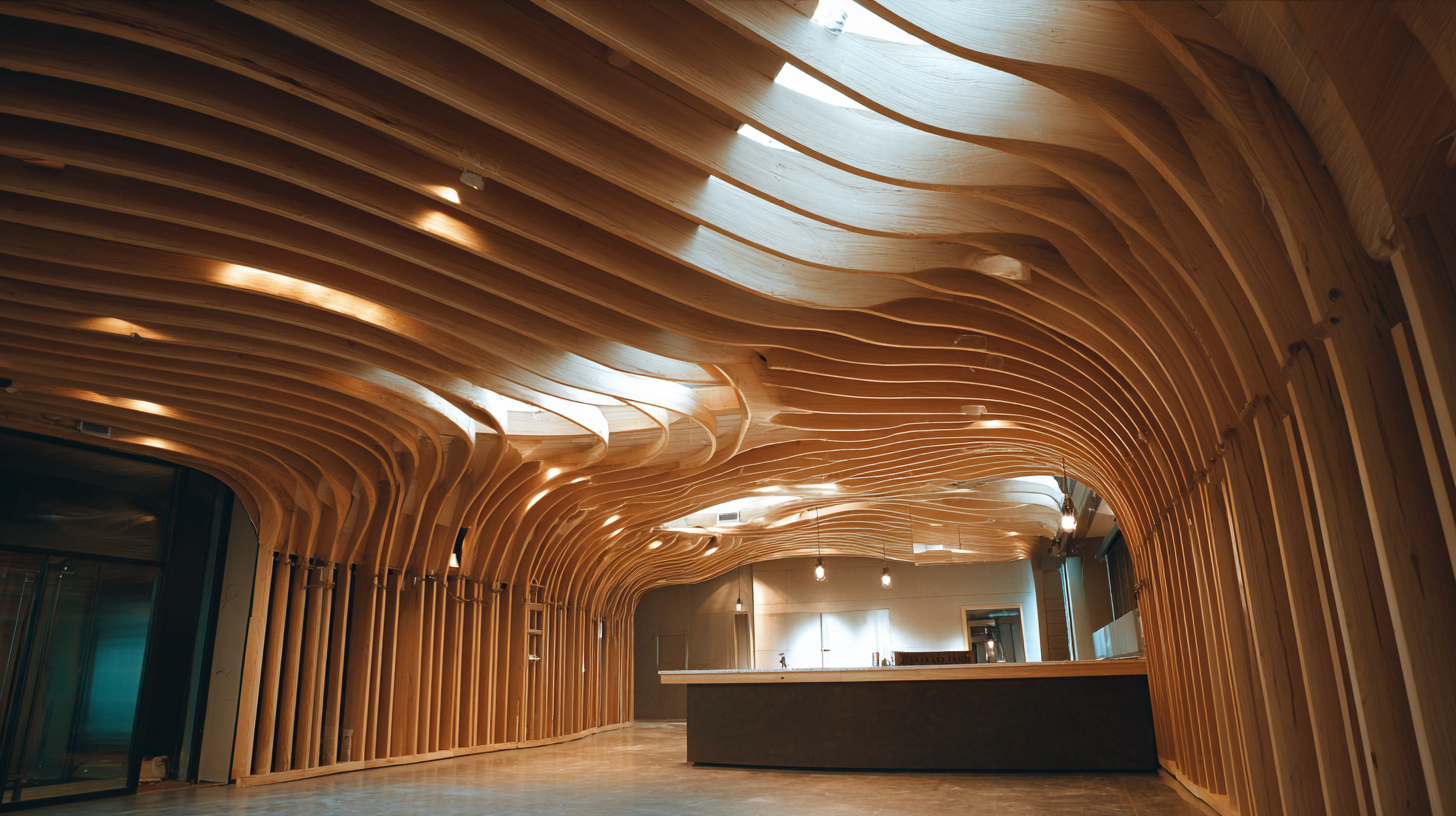
Applications of Curved Acoustic Panels: From Concert Halls to Home Theaters
Curved acoustic panels are becoming essential in various spaces, including concert halls, theaters, and even home theaters. Their design not only enhances aesthetic appeal but also significantly improves sound quality by effectively controlling sound reflections and echoes. In a concert hall, the precise placement of these panels ensures that sound waves are evenly distributed throughout the space, providing each audience member with an optimal listening experience. Similarly, in home theaters, curved panels help to create an immersive surround sound atmosphere, highlighting dialogue clarity and music richness.
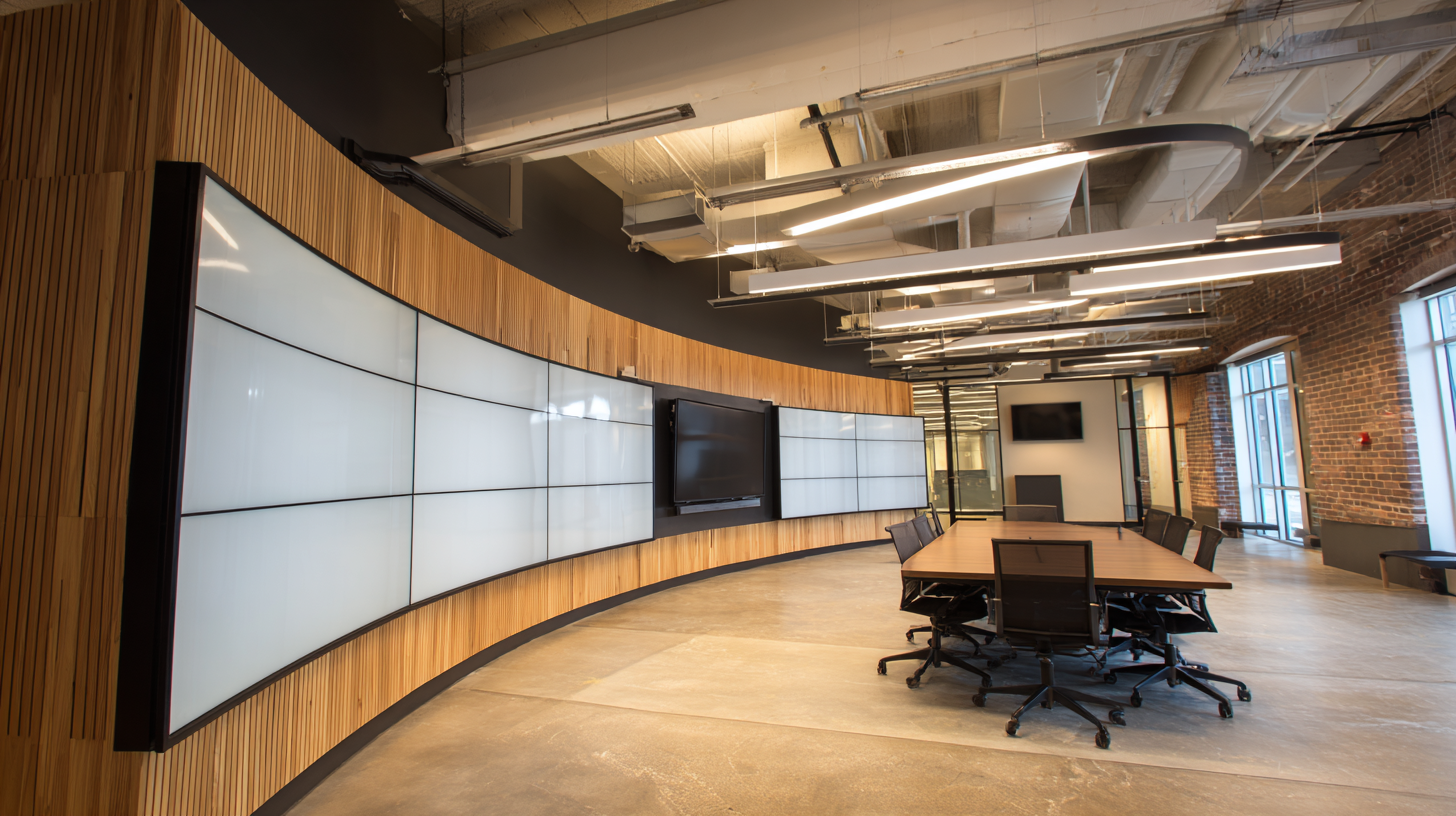
When incorporating curved acoustic panels into your space, consider their placement carefully. Ensure that they are positioned in areas where sound tends to bounce, such as corners and flat walls. Additionally, selecting the right material is crucial as different finishes can affect sound absorption. For a modern look that complements your interior design, opt for panels in varied textures and colors, adding both functionality and visual interest.
One important tip for homeowners is to combine curved acoustic panels with other soundproofing solutions, such as carpets and curtains. This holistic approach can further reduce noise pollution and enhance overall sound quality, making your entertainment experience infinitely more enjoyable.