Curved Acoustic Panels Tips for Soundproofing Your Space?
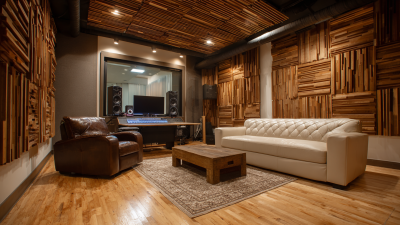
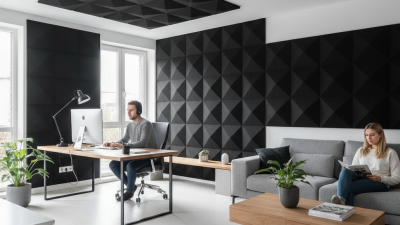
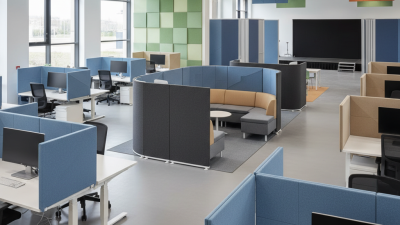
In a world filled with noise, a quiet space is a treasure. Curved Acoustic Panels can significantly enhance your environment. These panels are designed to absorb sound, offering both beauty and functionality. They are particularly useful in offices, home theaters, and recording studios.
Imagine walking into a room where echoes fade away. The serene atmosphere promotes focus and creativity. Curved Acoustic Panels come in various designs, allowing you to choose what fits your taste. Their unique shapes can add visual interest while serving their purpose. However, installation might be tricky. If not placed correctly, you could miss out on their full benefits.
Soundproofing is often about trial and error. Sometimes, areas may still feel noisy despite using panels. Adjusting your layout can lead to improved results. Don't hesitate to experiment with different spots. With the right approach, Curved Acoustic Panels can transform your space into a peaceful haven.
Introduction to Curved Acoustic Panels for Soundproofing
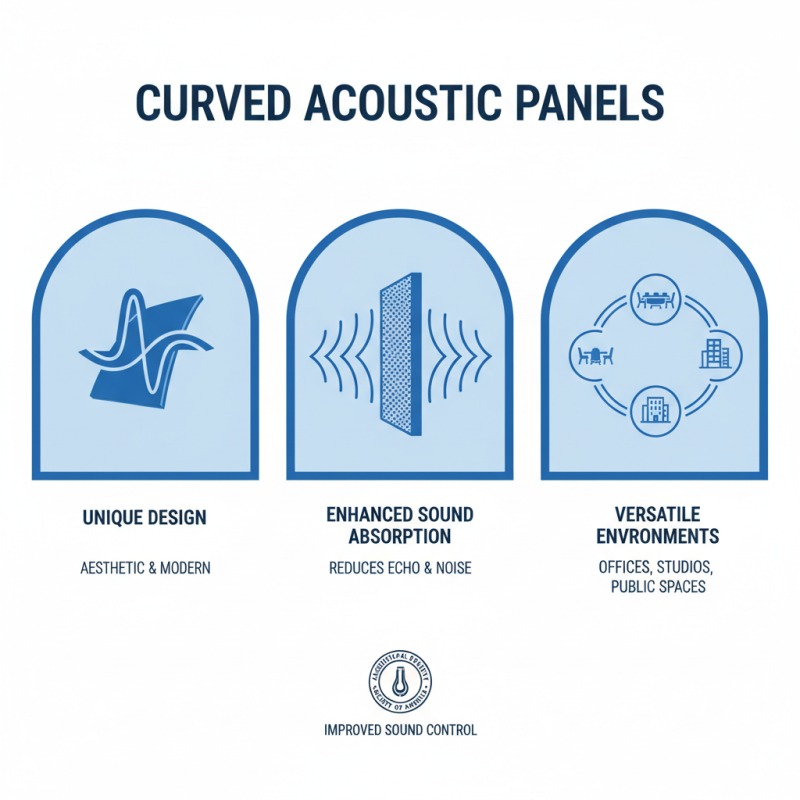
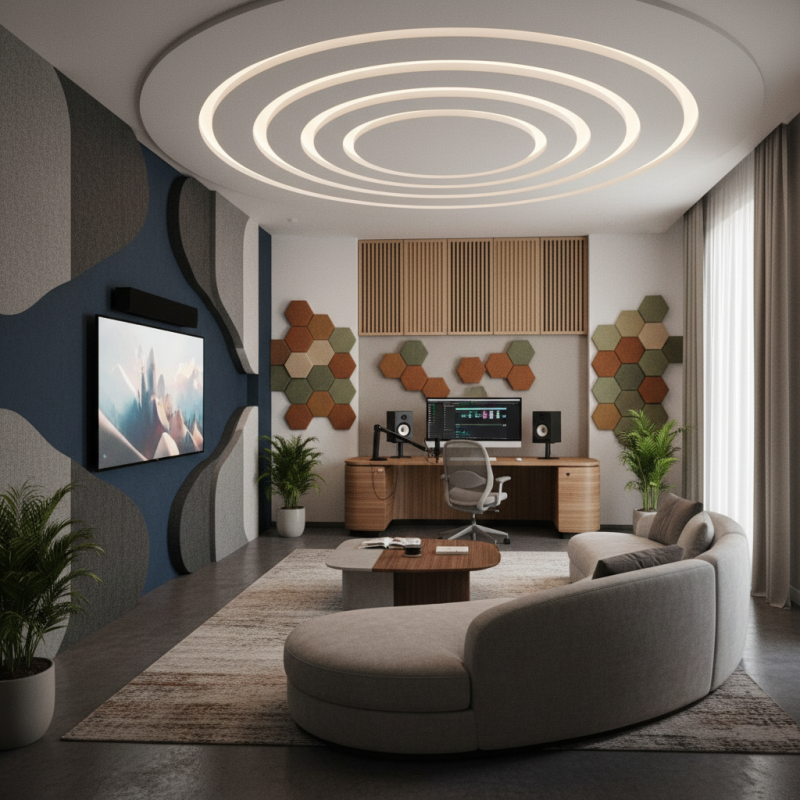
Curved acoustic panels are gaining attention for their unique design and effective soundproofing capabilities. These panels utilize curvature to enhance sound absorption. According to a report by the Acoustical Society of America, curved surfaces can improve sound control in various environments. They help reduce unwanted noise and echo, making spaces more comfortable.
Incorporating these panels into a space can lead to notable improvements. For example, offices with acoustic panels can achieve a 25% reduction in noise levels. This creates an environment conducive to productivity. When designing with these panels, consider the placement carefully. Improper positioning can lead to uneven sound distribution. Not every curve suits all spaces.
Visual appeal is another aspect to consider. Curved panels can be aesthetically pleasing, adding a modern touch. However, improper installation may compromise their effectiveness. Users often overlook this detail. Attention to both function and form is crucial. Balancing design and soundproofing is a challenge that needs reflection.
Benefits of Curved Acoustic Panels in Soundproofing Spaces
Curved acoustic panels offer unique benefits in soundproofing spaces. Their design enhances sound absorption, making environments quieter and more comfortable. The curves help to diffuse sound waves effectively. Therefore, they reduce echoes and improve overall acoustics. This is particularly beneficial in large rooms with high ceilings.
By strategically placing these panels, you can control the ambiance of a space. For instance, in conference rooms, they can minimize distractions. In homes, they create a soothing atmosphere that enhances relaxation. However, the effectiveness can vary based on placement. Not every wall needs panels; some areas might need more focus.
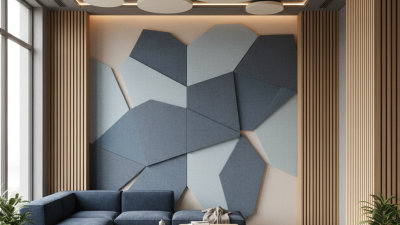
The aesthetic appeal of curved panels cannot be overlooked. They bring a modern touch to interiors. While they are functional, they can also serve as art pieces. Still, it's important to consider the balance between style and sound absorption. Sometimes, achieving the right look might compromise effectiveness. It's essential to reflect on both aspects for optimal results.
Installation Tips for Curved Acoustic Panels in Different Environments
When considering the installation of curved acoustic panels, context is key. Each environment requires a tailored approach. According to a study by the Acoustical Society of America, sound absorption can improve up to 80% in properly treated spaces. Curved panels excel in aesthetics and functionality. Their shape diffuses sound better than flat panels, preventing sound waves from bouncing wildly.
Placement is everything. For home theaters, consider mounting panels on walls that face speakers. This minimizes direct sound reflection. In offices, panel placement near workstations can reduce noise distractions. An ideal height is ear level when seated. You might think about adding extra panels. Too few may not yield desired results.
Material choice also matters. Use lightweight materials for easier installation. However, some thinner options may lack effectiveness. It's essential to balance appearance and soundproofing efficiency. Always remember, installation imperfections can occur. Gaps or misalignments can hinder performance. Regular assessments are vital to ensure optimal acoustic quality.
Maintenance and Care for Your Curved Acoustic Panels
Maintaining your curved acoustic panels is essential for effective soundproofing. Regular dusting with a soft cloth can keep them looking fresh. Dirt and grime can affect performance. Keep an eye on any stains. Spot cleaning can prevent long-term damage.
For deeper cleaning, use a damp sponge. Avoid harsh chemicals, as they may harm the fabric. Drying them completely is crucial to avoid mold. It’s a good idea to check for any wear and tear periodically. Small rips can be a big problem later.
The environment impacts your panels. Humidity, for instance, can warp the shape. Ensure your space has adequate ventilation. Regularly review how panels react to different sound levels. Each adjustment can lead to a better acoustic experience.
Curved Acoustic Panels Tips for Soundproofing Your Space - Maintenance and Care for Your Curved Acoustic Panels
| Tip |
Description |
Frequency of Maintenance |
Additional Care |
| Regular Dusting |
Use a soft cloth to remove dust build-up. |
Weekly |
Avoid using water to clean. |
| Check for Damage |
Inspect panels for any signs of wear or tear. |
Monthly |
Repair or replace damaged panels. |
| Proper Installation |
Ensure panels are hung properly to maximize sound absorption. |
At installation |
Follow manufacturer guidelines. |
| Avoid Excess Humidity |
Keep the environment dry to prevent mold. |
Regularly |
Use a dehumidifier in humid areas. |
| Consult Professionals |
Seek expert advice for installation or maintenance issues. |
As needed |
Hire certified acoustic professionals. |
Alternative Soundproofing Solutions to Consider Alongside Panels
When considering soundproofing, curved acoustic panels are just one option. They add style while helping reduce noise. However, other solutions can enhance your space’s acoustics. For instance, heavy curtains can block sound from windows. Rugs and carpets absorb sound, too. Think about how soft surfaces can make a difference.
In addition to panels, bookshelf walls can offer insulation. They create barriers that disrupt sound waves. Plants also contribute. Large plants can dampen echo and add a touch of nature. Don’t underestimate the impact of your furniture layout. Arranging furniture strategically might require some trial and error.
Exploring these alternatives can improve your soundproofing effort. Sometimes, the most straightforward solutions are overlooked. Assess how different elements interact in your space. It might lead you to rethink your approach. Be open to experimenting with combinations for the best results.
Curved Acoustic Panels Effectiveness Compared to Alternative Soundproofing Solutions