What Are Commercial Acoustic Panels and How Do They Improve Sound Quality?
In today's fast-paced urban environment, the quality of sound in commercial spaces is more critical than ever. Businesses—from bustling restaurants to serene office settings—are increasingly recognizing the importance of acoustic comfort in enhancing overall customer experience and productivity. One effective solution that has gained prominence in this context is the use of Commercial Acoustic Panels. These specially designed panels help in mitigating unwanted noise, thereby creating a more pleasant auditory environment.
Commercial Acoustic Panels work by absorbing sound waves, reducing echoes, and minimizing background noise that can lead to distractions. Whether installed in concert halls, conference rooms, or open-plan offices, these panels play a pivotal role in shaping the acoustic atmosphere of a space. Their versatility allows them to blend seamlessly into any decor, while their functionality significantly contributes to improved speech intelligibility and sound clarity. As businesses strive to create inviting and efficient spaces, the implementation of Commercial Acoustic Panels emerges as a crucial consideration for architects, designers, and property owners alike.

What Are Commercial Acoustic Panels?
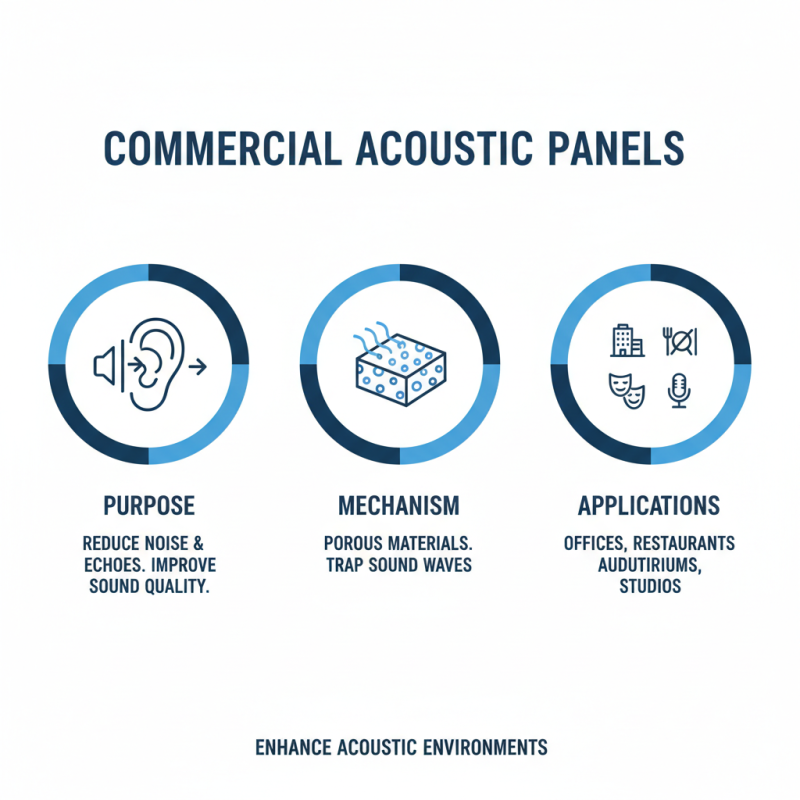
Commercial acoustic panels are specialized sound-absorbing materials designed to reduce unwanted noise and enhance the overall acoustic environment in various settings, such as offices, restaurants, auditoriums, and recording studios. These panels are typically made from porous materials that trap sound waves, preventing them from bouncing off hard surfaces and creating echoes. By strategically placing these panels on walls or ceilings, businesses can effectively mitigate issues related to sound reverberation and background noise.
The design and installation of commercial acoustic panels can significantly impact a room’s sound quality. They come in various shapes, sizes, and colors, allowing for both functional and aesthetic integration within any space. When sound waves hit these panels, the energy is absorbed rather than reflected back into the room, leading to clearer communication and a more pleasant auditory experience. This is particularly beneficial in environments where speech intelligibility is crucial, such as conference rooms or classrooms, where clarity can enhance productivity and learning.
Types of Commercial Acoustic Panels Available
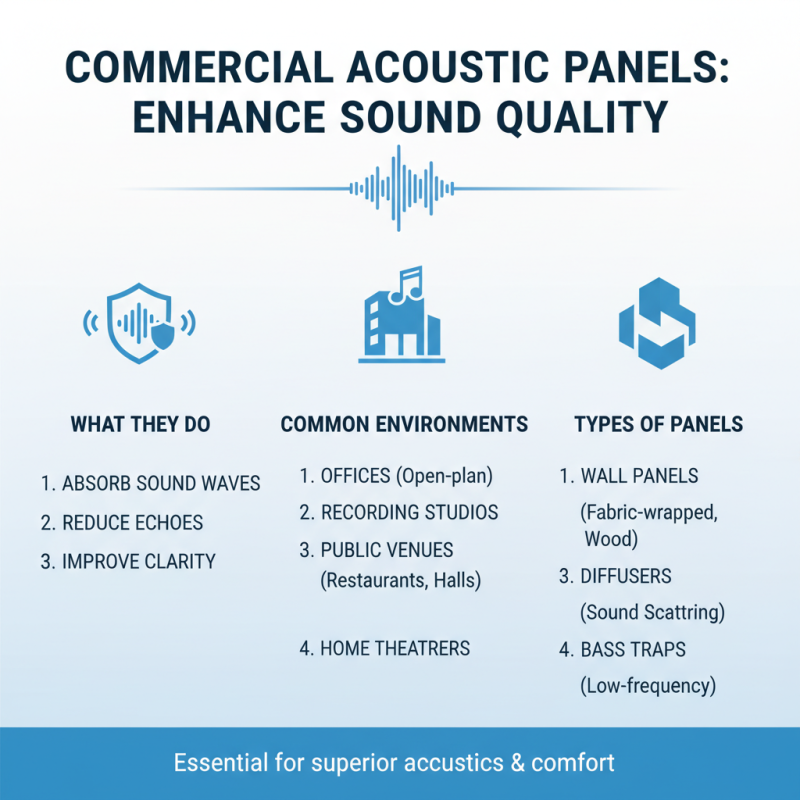
Commercial acoustic panels are essential in environments where sound quality is a priority, such as offices, recording studios, and public venues. These panels are designed to enhance the acoustics of a space by absorbing sound waves, reducing echoes, and improving overall clarity. Various types of commercial acoustic panels are available, each tailored to specific needs and aesthetics.
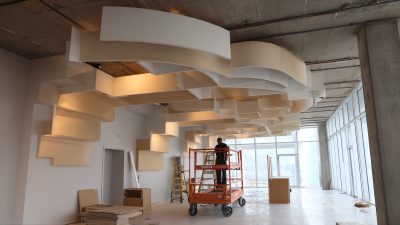
One popular type is absorption panels, which are made from porous materials that effectively capture sound energy. They can be wall-mounted or suspended from ceilings, making them versatile for different applications. Another type is diffusion panels, which scatter sound waves to create a more balanced sound environment. This is particularly useful in larger spaces where echoes can be problematic. Additionally, custom panels can also be produced to fit unique design requirements, allowing for seamless integration into any decor.
Tips: When selecting acoustic panels, consider the placement and the size of the space to maximize their effectiveness. Placing panels at strategic points, such as corners and near sound sources, can significantly enhance sound quality. Additionally, for a more aesthetically pleasing environment, choose panels that complement the existing decor, ensuring that both function and style are achieved.
How Acoustic Panels Improve Sound Quality
Acoustic panels are designed to absorb sound waves, reducing unwanted noise and improving overall sound quality in various environments, particularly in commercial settings.
According to a study by the Architectural Acoustics Journal, effective use of acoustic panels can decrease reverberation time by up to 50%,
which is pivotal in spaces like offices, conference rooms, and restaurants where clear communication is essential. The absorption coefficients of these panels can vary widely based on
material and design, with some panels absorbing up to 0.95 in specific frequency ranges, making them highly effective in enhancing auditory clarity.
In addition to improving sound quality, acoustic panels can significantly impact productivity and comfort. Research from the National Institute of Health suggests that better
sound management in workplaces can increase employee efficiency by 20%, as reduced noise leads to fewer distractions. By strategically
implementing acoustic panels, spaces can achieve an ideal balance of sound, where speech intelligibility is enhanced and background noise is minimized. This not only fosters a
conducive environment for work and interaction but also contributes to the overall well-being of individuals within these spaces.
Factors Influencing Acoustic Panel Effectiveness
The effectiveness of commercial acoustic panels is influenced by several key factors, including material composition, density, and placement within a space. The materials used in acoustic panels determine how sound waves are absorbed or transmitted. Panels made from porous materials, such as fiberglass or foam, are more effective in reducing mid to high-frequency sounds, while denser materials can better target lower frequencies. Understanding these characteristics allows for more tailored solutions for specific acoustic problems in environments like restaurants, offices, or recording studios.
Another crucial factor is the density of the acoustic panel. Denser panels tend to absorb sound more efficiently, which is critical in spaces with high levels of noise or reverberation. Additionally, the thickness of the panels plays a role; thicker panels can absorb a broader range of frequencies. Furthermore, the placement of these panels can significantly alter their effectiveness. Strategic positioning on walls and ceilings can maximize sound absorption and diffusion, leading to a notable improvement in overall sound quality. Factors such as room dimensions and existing furnishings also affect how sound behaves in a space, and should be considered when designing an acoustic treatment plan.
Effectiveness of Commercial Acoustic Panels
Applications of Commercial Acoustic Panels in Various Environments
Commercial acoustic panels are versatile sound-absorbing solutions widely used in various environments, where controlling sound quality is essential. In office spaces, they help reduce echo and background noise, fostering a more productive atmosphere by allowing employees to communicate without unnecessary distractions. By strategically placing these panels on walls or ceilings, businesses can enhance speech intelligibility and create a comfortable acoustic environment conducive to collaboration.
In educational settings, acoustic panels play a vital role in improving learning outcomes. Classrooms and lecture halls benefit from reduced reverberation time, enabling students to hear their instructors clearly. By minimizing auditory distractions, these panels contribute to a focused learning environment, allowing students to engage more effectively with the material. Additionally, performance venues such as theaters and concert halls utilize commercial acoustic panels to fine-tune sound quality, ensuring that the audience experiences optimal audio clarity and balance during performances. Through their various applications, acoustic panels demonstrate their importance in enhancing sound quality across different environments.
What Are Commercial Acoustic Panels and How Do They Improve Sound Quality?
| Environment |
Panel Type |
Sound Absorption Coefficient |
Thickness |
Application Benefits |
| Recording Studios |
Foam Panels |
0.80 |
2 inches |
Enhanced sound clarity, reduced echo |
| Auditoriums |
Fabric Wrapped Panels |
0.95 |
3 inches |
Improved speech intelligibility, better performance acoustics |
| Offices |
Perforated Wood Panels |
0.70 |
1.5 inches |
Reduced noise distractions, improved focus |
| Restaurants |
Acoustic Ceiling Tiles |
0.85 |
1 inch |
Quieter environment, pleasant dining experience |
| Gyms |
Acoustic Wall Panels |
0.75 |
2 inches |
Controlled noise levels, enhanced comfort |