How to Choose the Best Black Acoustic Wall Panels for Your Space?
When considering how to choose the best Black Acoustic Wall Panels, it's crucial to focus on both aesthetics and functionality. Expert sound designer Emily Harper emphasizes, “Good acoustic panels should blend seamlessly with your space while enhancing sound quality.” This statement illustrates the importance of finding the right balance between design and performance.
The market offers many options, making it challenging to pick the ideal Black Acoustic Wall Panels. Factors like material, thickness, and absorption ratings can influence your choice. Rooms like studios, offices, or homes benefit greatly from these panels, as they reduce noise and enhance clarity. However, selecting the wrong type can lead to disappointing results.
Not all panels are created equal. Some may look great but fail to perform effectively. It’s essential to weigh various factors and consider the specific needs of your area. Researching product reviews and testing samples can be invaluable for your decision. Remember, the right Black Acoustic Wall Panels can transform your environment, while the wrong choice might not satisfy your sound needs.
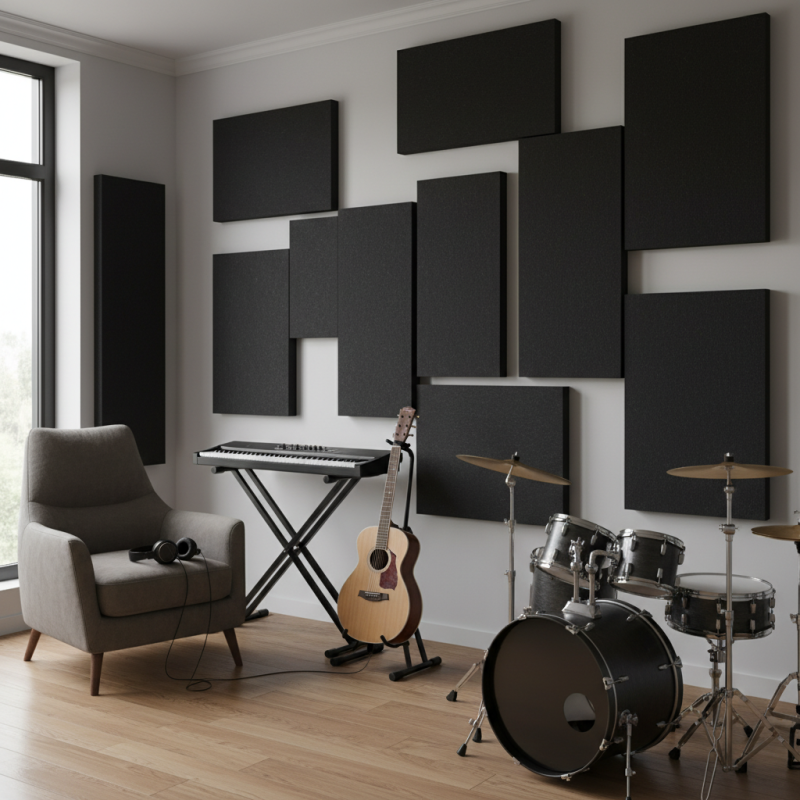
Understanding Acoustic Wall Panels: Definition and Benefits
Acoustic wall panels are essential for enhancing sound quality in various spaces. They help absorb sound waves, which reduces echo and noise levels. This is particularly beneficial in areas like recording studios, home theaters, or open offices.
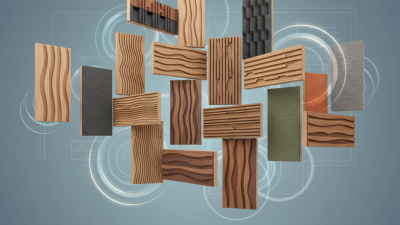
These panels come in different materials and designs. Some are made of foam, while others use wood or fabric. Choosing the right type can be challenging. For instance, while foam panels are effective, they might not match your room's aesthetics. Additionally, wood panels may look stunning, but they can be pricier.
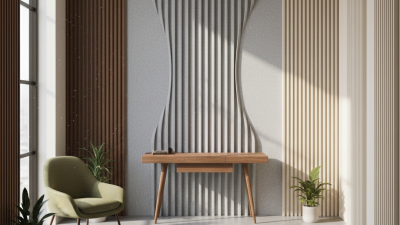
When selecting acoustic wall panels, consider functionality and design. Visualize how they fit into your overall decor. Ask yourself: Do they complement the existing style? Are they easy to install? Remember, what works for one room may not suit another. Finding the balance between aesthetics and acoustics is key to creating the perfect environment.
Acoustic Wall Panels Comparison: Material Effectiveness
Factors to Consider When Choosing Black Acoustic Wall Panels
When selecting black acoustic wall panels, several important factors come into play. The size of the room significantly affects sound absorption. Smaller spaces may require denser panels to trap sound waves effectively. Conversely, larger areas might benefit from a combination of panels and other acoustic treatments. Studies show that proper panel placement can improve sound quality by up to 30%.
Material composition is another crucial aspect. Panels made from natural fibers typically perform better than synthetic options. A report from the Acoustical Society of America indicates that natural materials can reduce noise levels by as much as 50%. Color and texture also matter; black panels can sometimes absorb more heat and light. This can make a room feel warmer or change the way sound interacts with surfaces.
Budget constraints often lead to compromises. Cheap panels may not provide adequate soundproofing. Investing in quality options can deliver better long-term results, even if the initial cost is higher. The aesthetic shouldn't be overlooked either. Black panels can enhance a room's decor but can also lead to a dull atmosphere if not paired with the right colors.
Exploring Different Materials for Acoustic Wall Panels
When choosing black acoustic wall panels, materials play a crucial role. Options range from foam to wood, each offering unique benefits. For instance, foam panels are lightweight and easy to install. They can absorb sound waves effectively, reducing echo in a room. However, they may not be the most aesthetically pleasing choice for everyone.
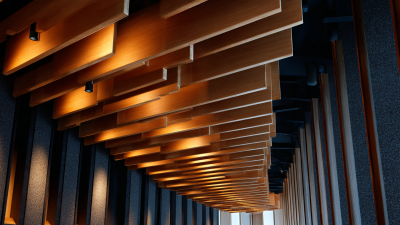
On the other hand, wooden panels provide a warm, elegant look. They may not absorb sound as well as foam. However, they add a touch of sophistication to any space. Their natural grain patterns can enhance interior design. Some people find wood too expensive or challenging to install, which can be a downside.
Consider the thickness of the material too. Thicker panels usually offer better sound absorption. Yet, they can be heavy and might require professional installation. Reflect on your budget, aesthetic preferences, and installation needs. This decision can shape the atmosphere of your space significantly. Balancing aesthetics and functionality is essential for achieving the best results.
How to Choose the Best Black Acoustic Wall Panels for Your Space?
| Material |
Sound Absorption Coefficient (NRC) |
Thickness |
Price Range (per panel) |
Installation Difficulty |
| Polyester Fiber |
0.85 |
1 inch |
$30 - $50 |
Easy |
| Wood Fiber |
0.70 |
1.5 inches |
$40 - $70 |
Moderate |
| Foam |
0.95 |
2 inches |
$25 - $45 |
Easy |
| Mineral Wool |
0.90 |
2 inches |
$35 - $60 |
Moderate |
| Acoustic Plaster |
0.80 |
0.5 inches |
$50 - $80 |
Difficult |
Analyzing Aesthetic and Functional Considerations for Your Space
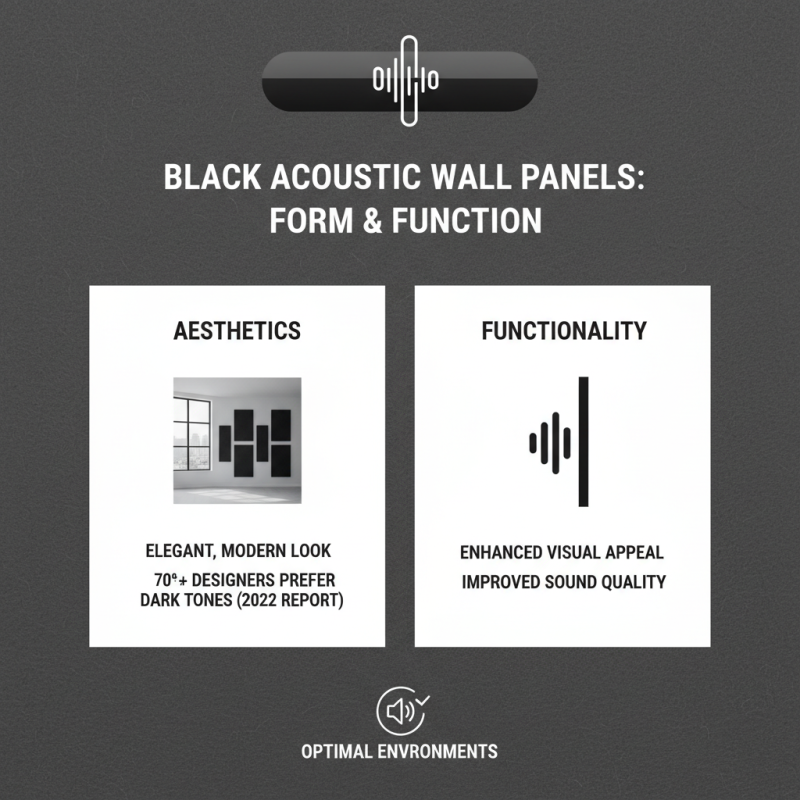
When selecting black acoustic wall panels, aesthetics and functionality play critical roles. The color black can create an elegant, modern look. According to a 2022 industry report, over 70% of designers prefer darker tones for minimalist environments. The right panels enhance visual appeal while maintaining sound quality.
Functionality matters just as much. Acoustic panels help reduce noise. A study found that spaces with proper soundproofing can improve productivity by up to 30%. However, achieving the ideal balance isn’t straightforward. The thickness, material, and placement of the panels impact effectiveness. Thin panels may not absorb low frequencies well. This could lead to echoes and unwanted reverberation in larger rooms. Designers often overlook these details.
Another aspect to consider is texture. Smooth surfaces might clash with the black color scheme, creating visual tension. Textured panels can enhance depth, but may require more maintenance. Choosing the right finish can be challenging. Not all finishes work well in high-traffic areas. The potential for scuffs and marks can lead to a need for frequent replacements.
Installation Tips and Maintenance for Acoustic Wall Panels
Installing acoustic wall panels can significantly enhance your space. Proper installation ensures maximum sound absorption. Begin by preparing the surface. Clean the wall thoroughly to remove dust and grease. Use a level to mark where the panels will go. This will help keep them straight. Make sure to measure twice; it’s easy to make mistakes.
Use adhesive or mounting hardware that suits your wall type. Some panels work best with glue, while others require nails or screws. If you're unsure, consult guidelines for your panels. Be mindful of spacing between each panel. Too close, and you lose sound absorption; too far, and you lessen the aesthetic effect.
Regular maintenance is essential for durability. Dust the panels regularly to keep them looking fresh. If they become stained, clean with a damp cloth, but avoid harsh chemicals. It’s easy to overlook maintenance, which is a mistake. Neglecting upkeep can lead to a diminished acoustic performance over time. Reflect on your space; how often do you check the panels?