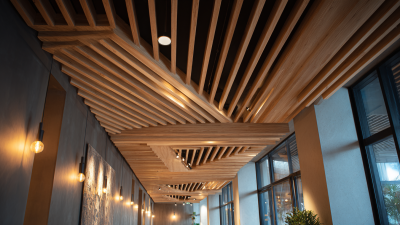
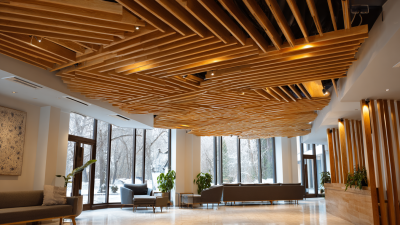
2025 How to Choose the Best Acoustic Ceiling Wood for Your Space
In recent years, the demand for Acoustic Ceiling Wood has seen a significant rise as architects and interior designers increasingly recognize its role in enhancing both aesthetics and acoustics within various spaces. According to a report from the Market Research Future, the global acoustic ceiling market is projected to witness a compound annual growth rate (CAGR) of 6.4% over the next five years, driven by the growing need for soundproofing solutions in commercial and residential buildings. As noise pollution becomes a pressing issue in urban environments, choosing the right materials—such as Acoustic Ceiling Wood—has become paramount in creating tranquil and productive spaces.
When selecting Acoustic Ceiling Wood, factors such as sound absorption, material sustainability, and aesthetic appeal must be taken into account. Research from the Acoustical Society of America emphasizes that effective sound-absorbing materials can reduce reverberation times by up to 60%, showcasing the critical role that ceiling design plays in sound management. Furthermore, with increased focus on eco-friendly building practices, sustainably sourced woods are not only appealing for their visual qualities but are also integral in promoting a healthier environment. By understanding how to choose the best Acoustic Ceiling Wood for your specific requirements, you can invest in a solution that balances functionality, style, and sustainability for your space.
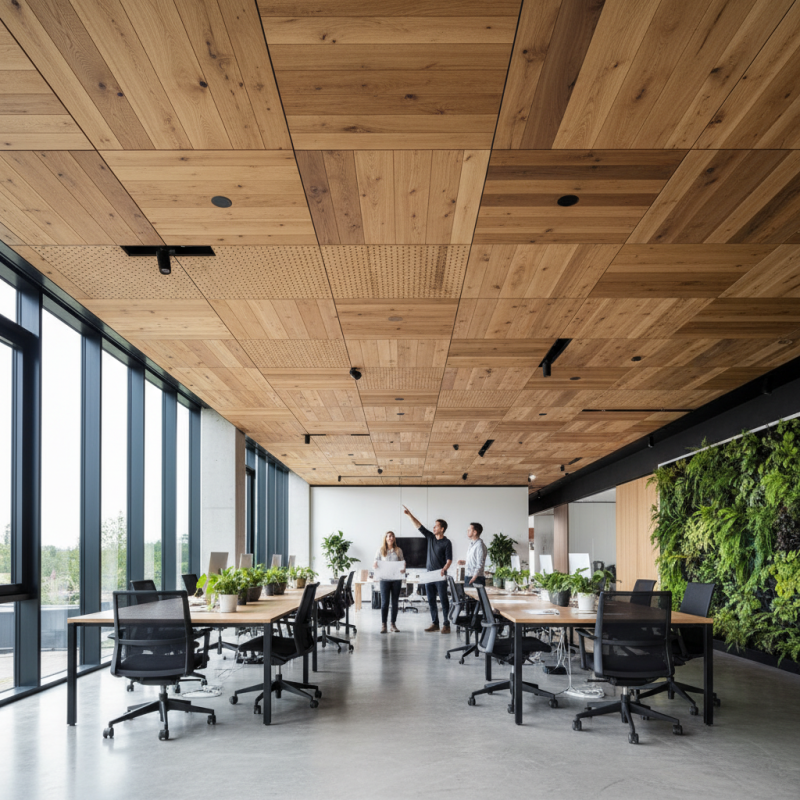
Choosing Acoustic Ceiling Wood: Key Considerations for Your Space
When selecting acoustic ceiling wood for your space, it’s essential to consider a few key factors that will influence both functionality and aesthetics. First, evaluate the acoustic properties required for your environment. Different wood types and finishes can absorb sound differently; for instance, softer woods like pine are often more effective at sound absorption compared to harder woods. It’s crucial to analyze the specific needs of your space—whether it’s a bustling office, a tranquil home, or a lively restaurant—as this will guide your material choice.
Another vital consideration is the design and style of the wood. The aesthetic appeal can significantly affect the overall ambiance of your room. Options range from rich, dark finishes that impart warmth to lighter, more contemporary styles that create a sleek look. Additionally, think about the sustainability of the materials you choose. Selecting eco-friendly options not only benefits the environment but can also enhance the reputation of your space, especially in commercial settings where sustainability is becoming increasingly important. By carefully balancing these considerations, you can choose acoustic ceiling wood that enhances both the functionality and visual appeal of your environment.
Acoustic Ceiling Wood Comparison (2025)
This chart compares various acoustic ceiling wood options based on their Noise Reduction Coefficient (NRC). Higher NRC values indicate better sound absorption, which is crucial in selecting the right material for acoustics in your space.
Understanding Acoustic Properties of Wood: A Guide to Sound Absorption
When selecting acoustic ceiling wood for a specific space, understanding its sound absorption properties is crucial. Research has shown that different wood types can significantly affect their acoustical performance. For instance, denser woods such as oak have a higher sound absorption coefficient in low-frequency ranges, making them ideal for spaces like auditoriums or concert halls where bass sounds need to be managed effectively. According to a report from the Acoustical Society of America, materials with a Noise Reduction Coefficient (NRC) of 0.75 or higher are classified as good sound absorbers, making species like Douglas fir and maple excellent options for enhancing acoustics in varied environments.
In addition to wood type, factors such as surface finish and thickness also play vital roles in sound absorption. A study published in the Journal of Wood Science indicates that unfinished wood surfaces can provide better acoustic performance compared to varnished ones, as natural fibers can trap sound waves more efficiently. Moreover, thicker wood panels generally offer improved sound attenuation, which can be crucial in open-plan offices or learning spaces where noise levels can distract from productivity and concentration. Therefore, when choosing acoustic ceiling wood, it’s essential to consider both the inherent properties of the wood as well as its treatment and installation methods to achieve optimal acoustic results.
2025 How to Choose the Best Acoustic Ceiling Wood for Your Space - Understanding Acoustic Properties of Wood: A Guide to Sound Absorption
| Wood Type |
Sound Absorption Coefficient (α) |
Thickness (inches) |
Density (lbs/ft³) |
Aesthetic Appeal |
| Oak |
0.30 |
1 |
44 |
Warm, Classic |
| Maple |
0.28 |
1 |
38 |
Light, Modern |
| Pine |
0.35 |
1 |
34 |
Rustic, Cozy |
| Cherry |
0.32 |
1 |
38 |
Elegant, Rich |
| Walnut |
0.29 |
1 |
40 |
Sophisticated, Dark |
Evaluating Wood Types: Density and Its Impact on Acoustic Performance
When it comes to selecting the best acoustic ceiling wood for your space, understanding the density of different wood types is crucial. Density directly affects the acoustic performance, playing a vital role in sound absorption and transmission. Denser woods, such as oak or walnut, tend to have better sound-blocking capabilities, making them ideal for studios or rooms where noise control is essential. Conversely, lighter woods can absorb sound more efficiently, which is beneficial in spaces meant for relaxation, such as home theaters.
Tips for choosing the right wood based on density include considering the specific acoustic needs of your space. For environments requiring enhanced sound insulation, opt for denser woods that will minimize sound leakage. On the other hand, if your goal is to create a harmonious acoustic environment, lighter woods can provide the necessary balance while enhancing the overall aesthetic. Always balance your aesthetic preferences with the functional aspects of sound performance to make an informed choice.
Additionally, don't forget to think about the wood's finish, as this can further impact its acoustic properties. A matte finish may help with sound absorption, while a glossy finish could enhance sound reflection. The right choice will depend on your desired ambiance and sound dynamics, so take time in evaluating these factors to create the perfect setting.
Aesthetic Appeal vs. Functionality: Balancing Design and Sound Control
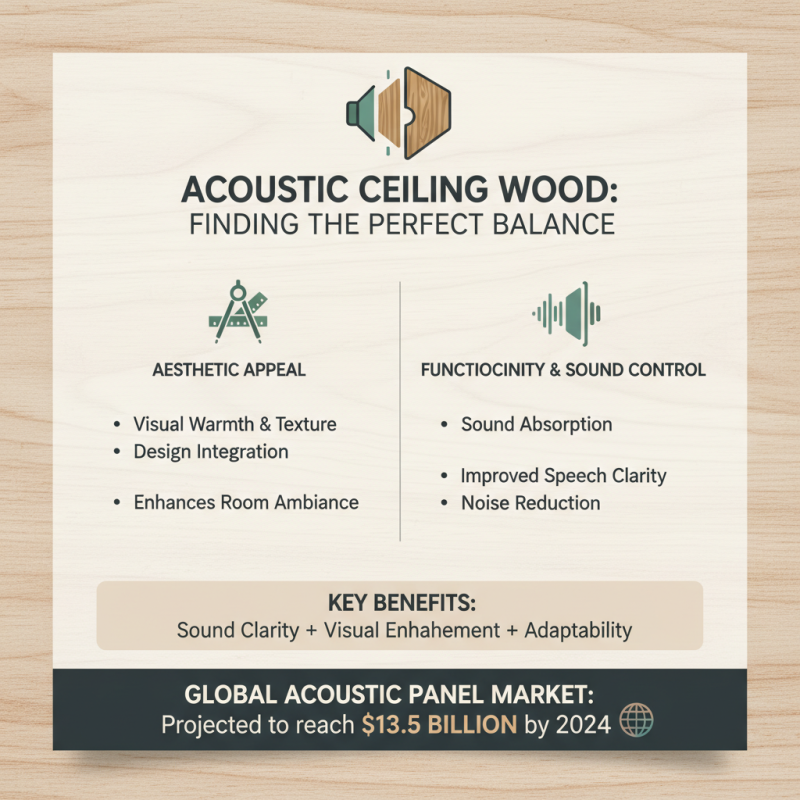
When selecting the best acoustic ceiling wood for your space, it is essential to balance aesthetic appeal with functionality. The integration of sound control and design not only enhances the visual aspect of a room but also significantly impacts the acoustic qualities within. As indoor environments increasingly lean towards multifunctionality, particularly in spaces like concert halls and conference rooms, the need for materials that offer both sound clarity and visual warmth becomes paramount. According to industry reports, the global acoustic panel market is projected to reach USD 13.5 billion by 2034, highlighting the growing emphasis on sound management in architectural design.
Sustainable practices are also an essential consideration in this balance. Companies increasingly leverage eco-friendly production methods and materials that cater to both design and environmental responsibility. For instance, the advancement in wooden panels reflects a trend where craftsmanship intersects with innovation, creating options that meet the aesthetic desires of developers and the technical needs of designers. By choosing the right acoustic wood, architects and interior designers can create spaces that not only look stunning but also foster a better auditory experience, adhering to the emerging trend of optimizing environments for both visual and sound qualities.
Installation Techniques: Maximizing Acoustic Benefits in Ceiling Design
When it comes to selecting acoustic ceiling wood for your space, understanding installation techniques is crucial to maximizing its acoustic benefits. Opt for a layout that minimizes sound reflections by strategically placing acoustic panels. This can be achieved by staggering the panels to avoid parallel surfaces, which can trap sound waves. Such arrangement not only enhances the overall aesthetic but also promotes a more harmonious sound experience within the room.
Here are some tips to consider during installation: First, ensure the ceiling wood is installed at the appropriate distance from the existing ceiling to allow for optimal airflow and sound absorption. Second, use different panel sizes to diversify the sound absorption across the frequency spectrum, catering to both bass and treble sounds. Finally, consider incorporating soundproofing materials behind the panels for better insulation from external noise, reinforcing the acoustic performance of your design. By carefully implementing these techniques, you can create an effective acoustic environment with your chosen ceiling wood.