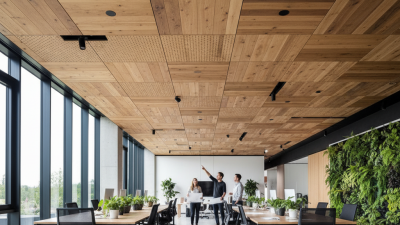
How to Choose the Right Gymnasium Acoustic Panels for Your Facility
In today’s fast-paced environment, gymnasiums are not merely places for physical activity; they are multipurpose facilities that host a range of activities, from sports to community events. One of the critical aspects that contribute to the effectiveness of these spaces is their acoustic treatment. According to a 2022 report by the Acoustical Society of America, improperly managed sound environments can lead to decreased concentration and increased stress levels, negatively affecting both athletes and spectators. This underscores the importance of selecting the right Gymnasium Acoustic Panels to optimize sound control and enhance the overall experience within these facilities.
Research indicates that inappropriate acoustics can reduce participation in physical activities by as much as 20%, highlighting the need for gymnasium managers to prioritize soundproofing solutions. Effective acoustic panels not only minimize sound reverberation but also improve communication, allowing trainers and coaches to give instructions more efficiently. Consequently, understanding the various types of Gymnasium Acoustic Panels available and their specific applications is crucial for facility managers aiming to create an optimal training environment. By making informed choices based on acoustical performance data and user feedback, decision-makers can significantly enhance the functionality and appeal of their gymnasiums.
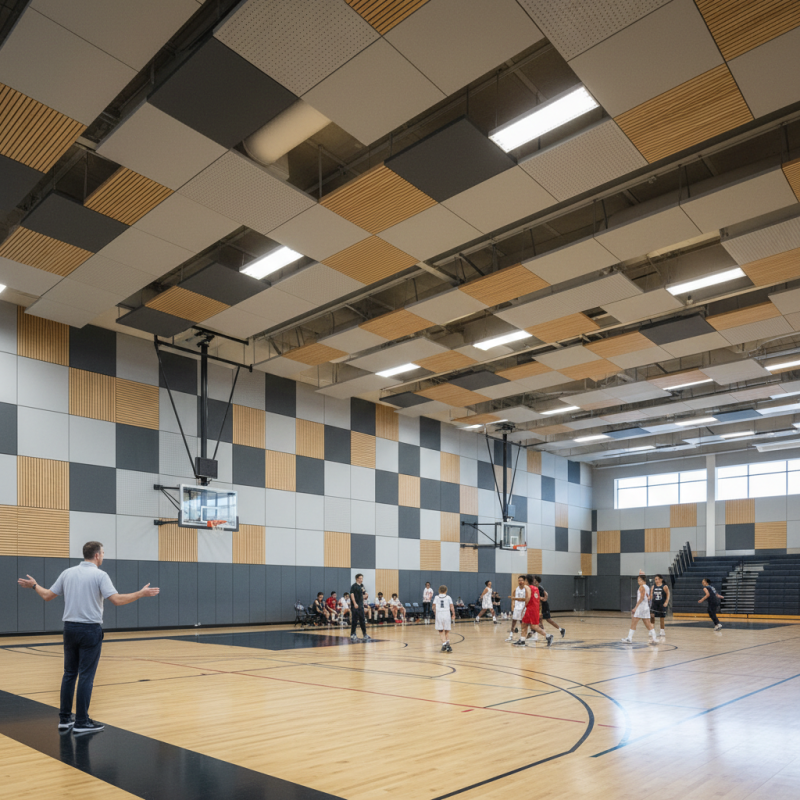
Understanding the Importance of Acoustic Control in Gymnasiums
Acoustic control plays a crucial role in gymnasiums, where high energy and activity levels often lead to significant noise pollution. The bouncing of sound off hard surfaces can create an echoing effect, which not only disturbs athletes' focus but also makes it difficult for instructors and coaches to communicate effectively. By understanding the importance of acoustic control, facility managers can create an environment that enhances performance and overall enjoyment for users.
Selecting the right acoustic panels is essential in managing sound levels within a gymnasium effectively. Panels are designed to absorb sound rather than reflect it, reducing echoes and creating a more harmonious atmosphere. When choosing these panels, factors such as material, thickness, and placement should be considered to address specific acoustic challenges. Properly installed acoustic panels can transform a noisy space into one where conversations are clear, and athletes can concentrate without unnecessary distractions, ultimately improving the overall functionality of the facility.
Acoustic Control in Gymnasiums: Impact of Different Panel Types
This chart illustrates the effectiveness of various types of gymnasium acoustic panels in reducing sound levels (in decibels) across different frequency ranges (in Hz). The data highlights the importance of selecting the right acoustic treatment to enhance the auditory experience in gym facilities.
Identifying Your Facility's Unique Acoustic Needs
Identifying your facility's unique acoustic needs is a crucial step in selecting the right gymnasium acoustic panels. Every gym has its own characteristics, such as size, layout, and activities conducted, which all influence sound quality and reverberation levels.
For instance, a large open space may experience excessive echo, which can disrupt communication and concentration during training or events.
Conversely, a smaller facility might require soundproofing to prevent noise from external sources, ensuring an optimal environment for athletes and spectators alike.
To accurately determine your facility's acoustic requirements, consider conducting a thorough sound assessment. This process involves evaluating
current noise levels, identifying troublesome frequencies, and understanding how sound travels within the space. Engaging with an acoustics professional can provide valuable insights and recommendations tailored to your specific situation.
Additionally, involving staff and users in this assessment can shed light on areas of concern that may not be immediately apparent, ensuring that the selected acoustic panels effectively address the unique challenges of your gymnasium.
Types of Acoustic Panels Suitable for Gym Environments
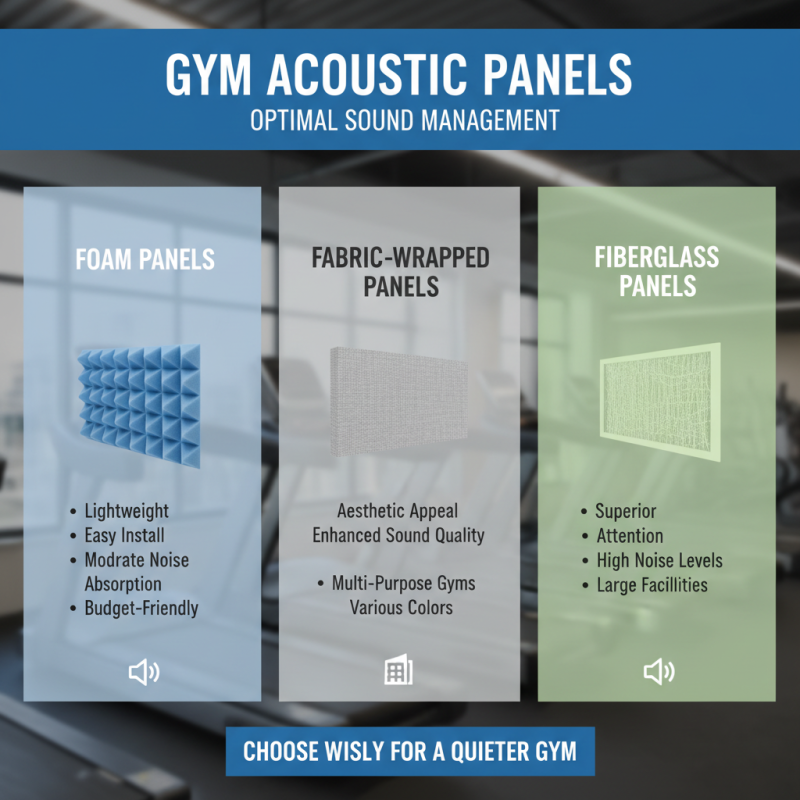
When selecting acoustic panels for gym environments, it's essential to consider the types that are specifically designed to manage sound effectively in large, open spaces. Common options include foam panels, fabric-wrapped panels, and fiberglass panels. Foam panels are lightweight and easy to install, providing adequate sound absorption for moderate noise levels. Fabric-wrapped panels offer a more aesthetically pleasing option while enhancing sound quality, making them a popular choice for multi-purpose gyms. Fiberglass panels, known for their exceptional sound attenuation properties, are ideal for larger facilities or areas prone to high noise levels.
**Tips:** When choosing acoustic panels, consider the aesthetics of your facility. Look for colors and designs that complement your gym's interior while still providing functional benefits. Additionally, assess the specific noise issues in your gym—whether it's echoes during classes or sound bleed between rooms—to determine the best type and placement of panels for optimal results. Always seek panels that fit the specific dimensions of your space to maximize effectiveness.
Another important aspect is installation. For gym environments, select panels that can withstand frequent use and cleaning. Some panels come with protective coverings that are durable and easy to maintain, crucial for busy facilities. Always ensure the panels are installed correctly, as improper placement can significantly reduce their sound-absorbing effectiveness. Engaging a professional for installation can ensure that you're making the most out of your acoustic treatment solutions.
Factors to Consider When Selecting Gymnasium Acoustic Panels
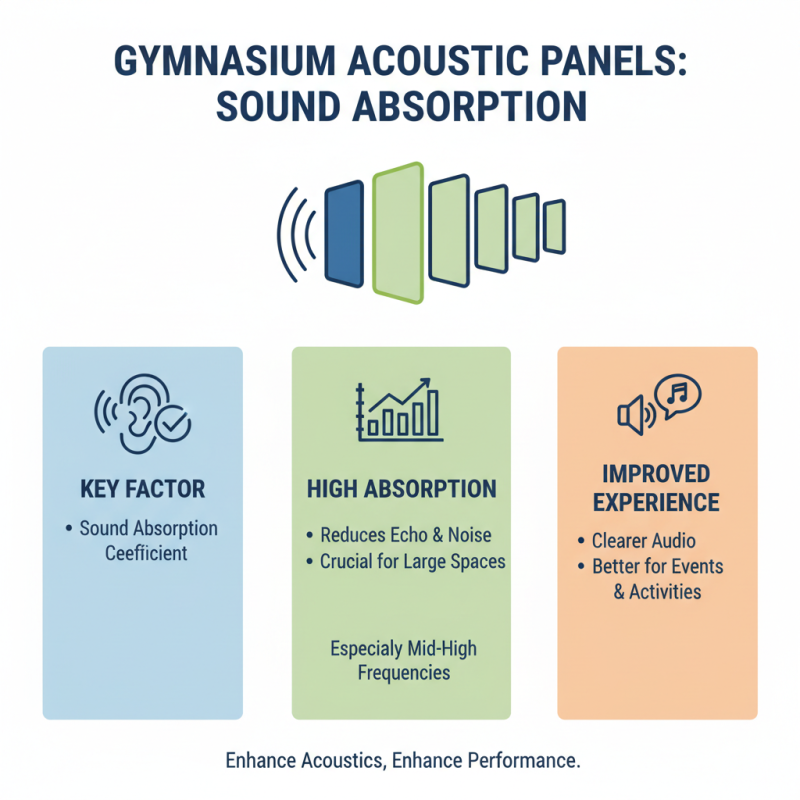
When selecting gymnasium acoustic panels, one of the primary factors to consider is the panel’s sound absorption coefficient. This rating indicates how effectively a material can absorb sound, which is crucial in large spaces where echoes and noise can become disruptive. Look for panels that provide a high absorption rating, especially in the mid to high frequency ranges, as these can significantly improve the auditory experience during events and activities.
Another important aspect to evaluate is the panel's material and durability. Gymnasiums often experience high levels of foot traffic and wear, so it’s imperative to choose panels that are not only effective in sound absorption but also resistant to damage. Additionally, consider the aesthetics and design of the panels—opt for colors and styles that complement your facility while helping to create a positive environment for athletes and spectators alike. By balancing functionality with appearance, you can enhance both the sound quality and the overall atmosphere of your gymnasium.
Installation Tips for Optimal Acoustic Performance in Gyms
When it comes to enhancing the acoustic environment in gymnasiums, the installation of acoustic panels is crucial. Proper installation not only improves sound quality but also makes the space more conducive for various activities. To achieve optimal acoustic performance, consider the following tips during installation.
Firstly, choose the right locations for your panels. Common areas that benefit from acoustic treatment include walls near noisy equipment, areas where voices are projected, and spaces where sound waves tend to reflect. Placing panels in these strategic locations can significantly reduce echoes and background noise, creating a more focused environment for workouts and classes.
Secondly, consider the height and alignment of your panels. It's essential to install them at ear level when people are engaged in activities like group fitness or sports instruction. For larger gyms, arranging panels in a staggered pattern across walls can help diffuse sound waves evenly, providing a balanced auditory experience throughout the facility. Additionally, using different thicknesses and types of panels can further enhance sound absorption, catering to the specific acoustic needs of your gym. By following these tips, gym owners can create a more enjoyable and effective workout atmosphere.
How to Choose the Right Gymnasium Acoustic Panels for Your Facility
| Acoustic Panel Type |
Material |
Sound Absorption Coefficient (NRC) |
Installation Method |
Recommended Setup |
| Foam Panels |
Polyurethane Foam |
0.90 |
Adhesive or Wall-mounted |
Ceiling and walls |
| Fabric Wrapped Panels |
Fiberglass |
0.85 |
Framed and Wall-mounted |
Around seating areas |
| PVC Panels |
Vinyl |
0.70 |
Suspended or Wall-mounted |
Near windows and entry points |
| Wood Panels |
Wood Laminate |
0.75 |
Wall-mounted |
Perimeter and high ceilings |
| Mineral Wool Panels |
Mineral Fiber |
0.95 |
Grid system or Wall-mounted |
High noise areas |