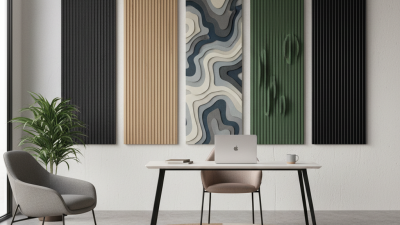
How to Choose Fluted Acoustic Panels for Your Space?
Choosing the right acoustic treatment can transform your space. Fluted Acoustic Panels offer both style and functionality. Their design not only enhances sound quality but also adds visual appeal.
When selecting Fluted Acoustic Panels, consider the dimensions of your room. A small room might benefit from lighter colors to create a sense of space. Larger areas may require darker tones for a more cohesive look.
Think about your specific needs. Do you want to improve sound clarity or reduce echo? Reflect on how these panels will fit your existing decor. Finding the perfect match can be a challenge, but it’s worth the effort for the desired outcome. Make sure to explore various textures and finishes. Remember, this decision can greatly influence the overall atmosphere of your area.
Understanding Fluted Acoustic Panels and Their Benefits
Fluted acoustic panels are becoming popular in modern design. They offer a unique aesthetic while providing sound absorption. These panels have grooves or flutes that diffuse sound waves, making a space quieter. They can transform a noisy room into a serene environment. The design is both functional and visually appealing.
Choosing the right fluted acoustic panel is essential. Consider the material and thickness of the panel. Thicker panels usually absorb more sound. Different materials have various acoustic properties. You might find yourself confused by the options available. Test different finishes to see how they blend with your decor. It's not always easy to know what works best.
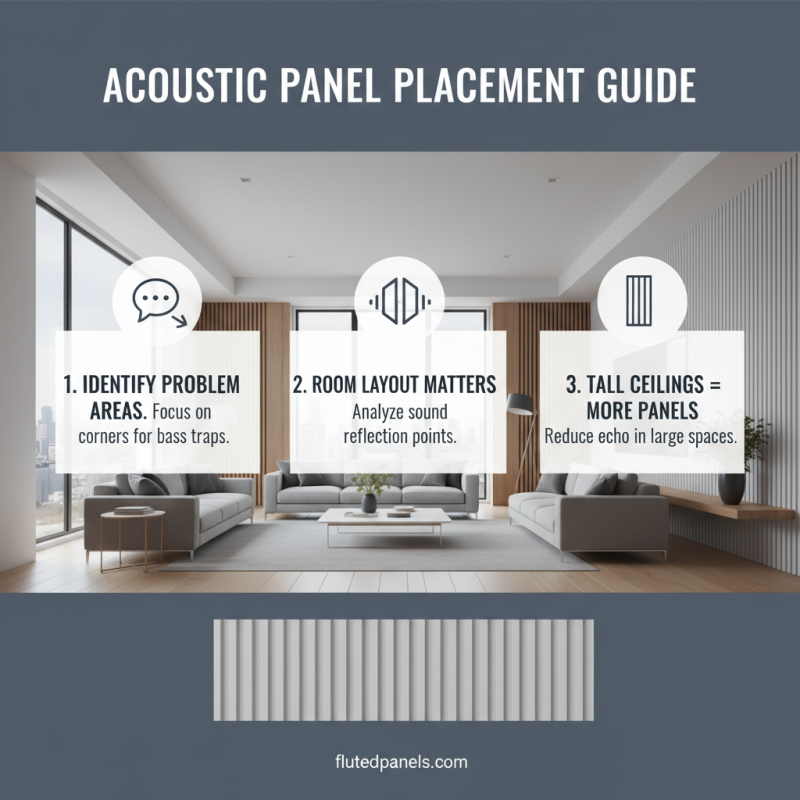
The application of fluted panels can be tricky. Placement matters significantly in sound control. Hanging a panel too high or low can affect performance. You may need to experiment with positioning. Take note of how the sound changes as you make adjustments. Reflecting on these details is crucial for achieving your desired acoustic environment.
Assessing the Acoustic Needs of Your Space
When choosing fluted acoustic panels for your space, assessing your acoustic needs is crucial. Research indicates that many environments, such as offices and schools, suffer from excessive noise. According to the World Health Organization, noise can lead to various health issues, including stress and insomnia. Understanding your specific acoustic challenges will guide your panel selection.
Tip: Start with a sound level assessment. Utilize a decibel meter app to measure existing noise levels. This step helps you pinpoint areas needing the most attention. If you notice levels exceeding recommended thresholds, consider which panel thickness suits your needs—thicker panels generally offer better sound absorption.
Furthermore, consider the materials and textures that suit your space. Wood-based panels may enhance warmth and aesthetics. In contrast, fabric-covered options may provide better absorption. Research shows that different textures can impact sound behavior significantly. Reflect on whether your space hosts gatherings, meetings, or quiet reflection. Ultimately, engaging with your environment's unique acoustic traits will ensure effective sound management.
Tip: Experiment with panel placement. Begin by placing panels in high-reflection areas, like corners and near hard surfaces. Monitor changes in sound quality, and adjust as needed. Sometimes, achieving the desired acoustic environment requires flexibility and patience.
Choosing the Right Material for Fluted Acoustic Panels
When selecting fluted acoustic panels, material choice plays a crucial role. Different materials have varying sound absorption properties. For example, fiberglass is commonly used due to its high acoustic performance. According to industry reports, fiberglass panels can absorb up to 90% of sound in certain frequencies. This can significantly improve sound quality in a space.
Wood is another common material. It provides a warm aesthetic while maintaining decent sound absorption. Studies suggest that wood panels can reduce sound by 50% in specific environments. However, they might not perform as well in low-frequency ranges compared to fiberglass.
Choosing the right material involves understanding the specific acoustics of your space. Consider the size and function of the room. In a large concert hall, fiberglass panels might be more effective. Yet, in smaller offices, wood may offer style without compromising too much on acoustics. Always assess the balance between aesthetics and sound performance. Not every choice will be perfect. Understanding that limitations exist will guide better decisions.
Determining the Ideal Size and Shape for Your Panels
When choosing fluted acoustic panels, consider their size and shape carefully. The dimensions can significantly impact both the aesthetic and performance of your space. For smaller rooms, panels that are vertically aligned can create a sense of height. In large spaces, horizontal panels may help balance the sound.
Tips: Focus on the room's purpose. A workspace may benefit from thinner panels, while a studio could require thicker ones for deeper sound absorption. It’s important to measure your walls accurately. Sketch a layout to visualize placement.
Experimenting with shapes can also yield interesting results. Rectangle panels offer a classic look. However, circular or custom shapes can add personality. Remember, trial and error is part of the process. Perhaps the first design won’t work perfectly. That’s okay. Reflect on the outcome and adjust as needed.
How to Choose Fluted Acoustic Panels for Your Space? - Determining the Ideal Size and Shape for Your Panels
| Panel Shape |
Dimensions (inches) |
Thickness (inches) |
Sound Absorption Coefficient |
Ideal Use Case |
| Rectangle |
24 x 48 |
2 |
0.85 |
Studio or Home Theater |
| Square |
24 x 24 |
1 |
0.75 |
Offices or Conference Rooms |
| Custom Shapes |
Varies |
2 |
0.90 |
Creative Spaces or Art Studios |
| Hexagon |
20 x 20 |
1.5 |
0.80 |
Restaurants or Cafes |
| Panel Strips |
2 x 48 |
1 |
0.70 |
Theaters or Performance Areas |