How to Choose Fluted Acoustic Panels for Better Sound Quality?
Choosing the right fluted acoustic panels can significantly enhance sound quality in any space. These panels offer both aesthetic appeal and functional benefits. Their unique design allows for effective sound absorption and diffusion, creating a balanced acoustic environment.
When selecting fluted acoustic panels, consider the material and thickness. Different materials impact sound absorption differently. Thicker panels often absorb lower frequencies better. However, finding the right balance can be tricky. Sometimes, overspending on panels leads to minimal improvement. Reflect on your specific needs.
Also, think about placement. Location matters; panels must be strategically placed to work effectively. Many forget this essential aspect. Testing various configurations can be helpful. Everyone’s acoustic requirements are unique, and that’s part of the challenge. Embracing trial and error might lead to unexpected yet satisfactory results.
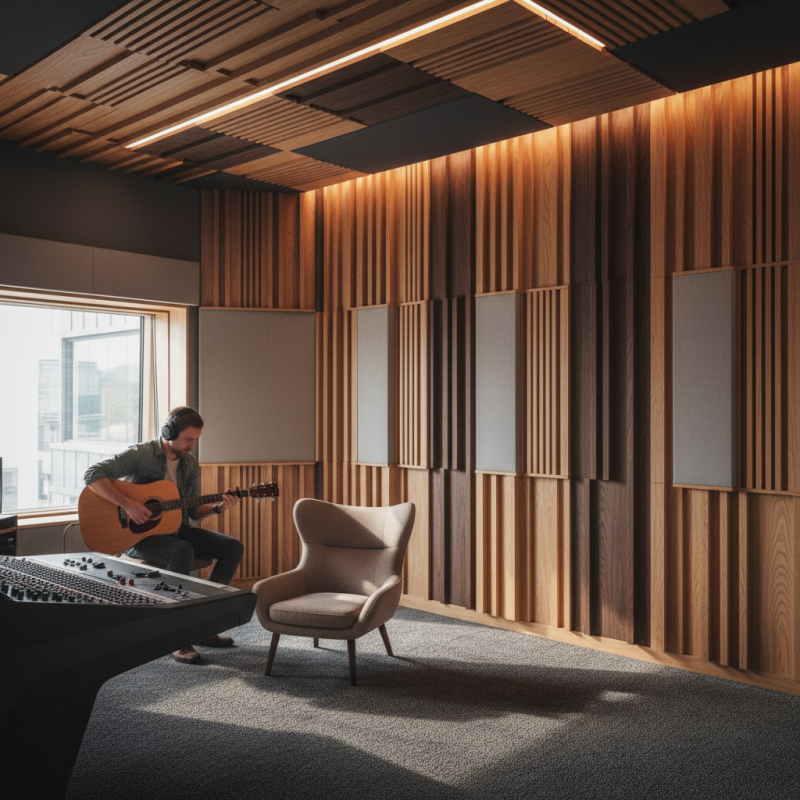
Factors to Consider When Selecting Fluted Acoustic Panels
Choosing fluted acoustic panels can significantly enhance sound quality in a space. Several factors should influence your decision.
Consider the size of the room. Larger areas often require more extensive panel coverage. Smaller rooms might benefit from fewer panels, but placement is crucial.
Next, think about material density. Denser panels absorb sound better but can be heavier. Lighter panels are easier to install but may not provide the same level of soundproofing.
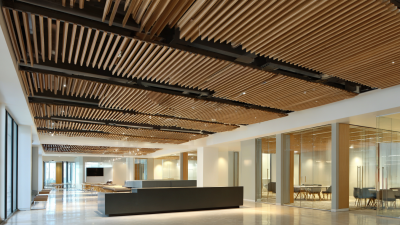
The design matters too. Fluted patterns can add an aesthetic appeal while improving acoustics. However, some designs may not fit every style.
You should also evaluate your specific needs. Are you minimizing echoes in a home theater? Or perhaps enhancing sound clarity in a conference room?
This focus will guide your choices. Don’t overlook color and finish, as they affect overall ambiance. Reflect on how these factors tie together to create a sound environment that feels both functional and inviting.
Understanding the Benefits of Fluted Acoustic Panels for Sound Quality
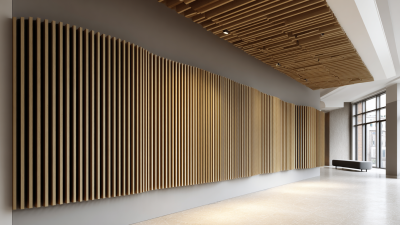
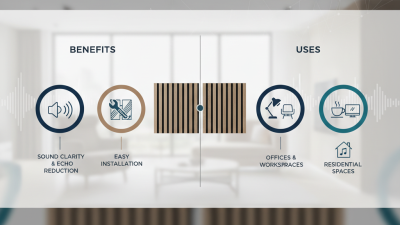
Fluted acoustic panels offer unique benefits for enhancing sound quality. Their distinctive grooves change how sound waves interact with surfaces. This feature helps to diffuse sound, reducing echoes in a space. As a result, conversations become clearer, and background noise diminishes significantly.
Choosing the right panel can be tricky. You must consider the material's density and the panel's thickness. Thicker panels often better absorb low frequencies. However, they might not fit all design aesthetics. Fluted panels should complement your room’s decor while effectively managing sound. An imbalance here can lead to a less than ideal setup.
Installation is another area to ponder. Panels need to be strategically placed for maximum effect. Simply covering walls is not enough. Testing different locations might be necessary to find the best configuration. Some users report uneven results, which can be frustrating. A bit of trial and error could lead to the best outcome.
How to Choose Fluted Acoustic Panels for Better Sound Quality?
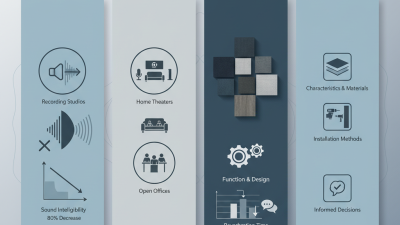
| Dimension |
Material |
Thickness |
NRC Rating |
Applications |
| 2' x 4' |
Compressed Fiberglass |
2" |
0.95 |
Recording Studios |
| 2' x 2' |
Polyester Fiber |
1" |
0.75 |
Home Theaters |
| 4' x 4' |
Mineral Wool |
3" |
1.00 |
Conference Rooms |
| 2' x 3' |
Wood Fiber |
1.5" |
0.85 |
Music Rooms |
Different Materials Used in Fluted Acoustic Panels and Their Impact
When selecting fluted acoustic panels, material choice is crucial. Wood, fiberglass, and foam each deliver different sound absorption qualities. For instance, wood panels can provide warmth and natural aesthetics while functioning well in mid to high frequency absorption. Reports suggest that wood can reduce echo by up to 30% in small spaces. However, they may not perform as effectively in controlling low frequencies.
Fiberglass panels, on the other hand, excel in high-frequency sound absorption. They are relatively light and easy to install. Studies indicate that fiberglass can achieve a Noise Reduction Coefficient (NRC) of 0.90 or higher. This means they absorb nearly 90% of sound waves at certain frequencies. Unfortunately, they can be more brittle and require careful handling.
Foam panels are an accessible option and come in various shapes. They are lightweight and effective, especially in home studios. Yet, they might not provide the same durability as wood or fiberglass. Some studies note that foam panels tend to offer lower NRC ratings, often around 0.70. Users should reflect on their space needs and consider these varying attributes before making a decision.
Impact of Different Materials on Sound Absorption in Fluted Acoustic Panels
Measuring Your Space for Optimal Placement of Acoustic Panels
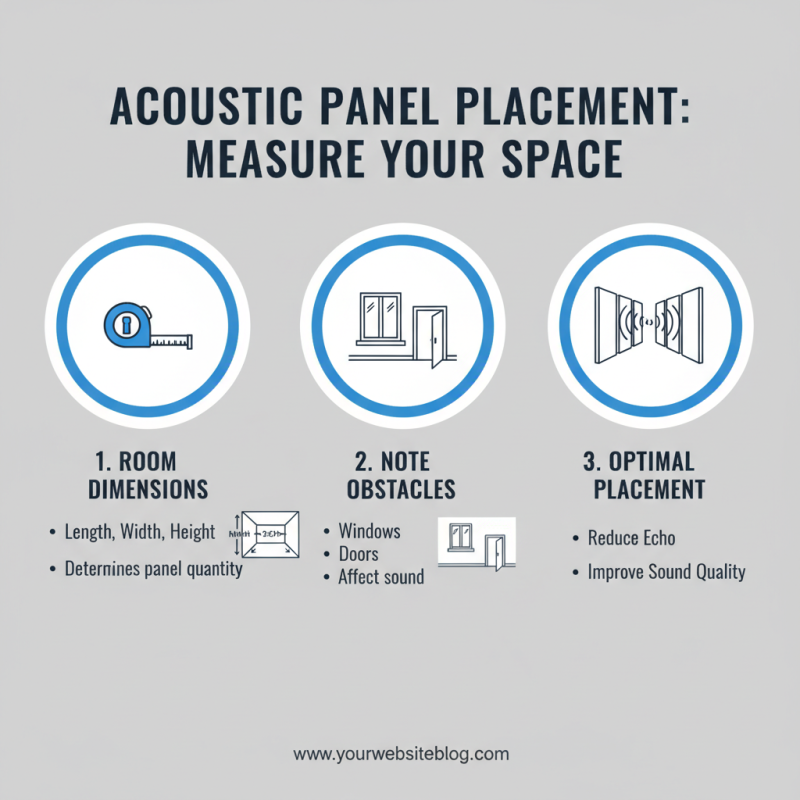
Measuring your space accurately is crucial for optimal acoustic panel placement. Start by assessing the dimensions of the room. Use a tape measure to get the length, width, and height. This information helps determine how many panels you’ll need. Take note of windows and doors; these can affect sound distribution.
Once you have measurements, consider the room’s functionality. Is it a music studio, home theater, or a personal space? Different rooms require varied placements. Sound waves behave differently in corners and flat surfaces. Placing panels in these areas can enhance sound quality.
Don't forget to check for furniture placement. Large sofas or bookshelves absorb sound. They can create dead spots. Reflect on where you spend the most time. Many overlook the importance of angles. Experiment with panel placement to find what works. Sometimes, it takes a few tries to get it right. Be patient with the process and adjust as needed.
Design and Aesthetics: Choosing Fluted Acoustic Panels that Fit Your Style
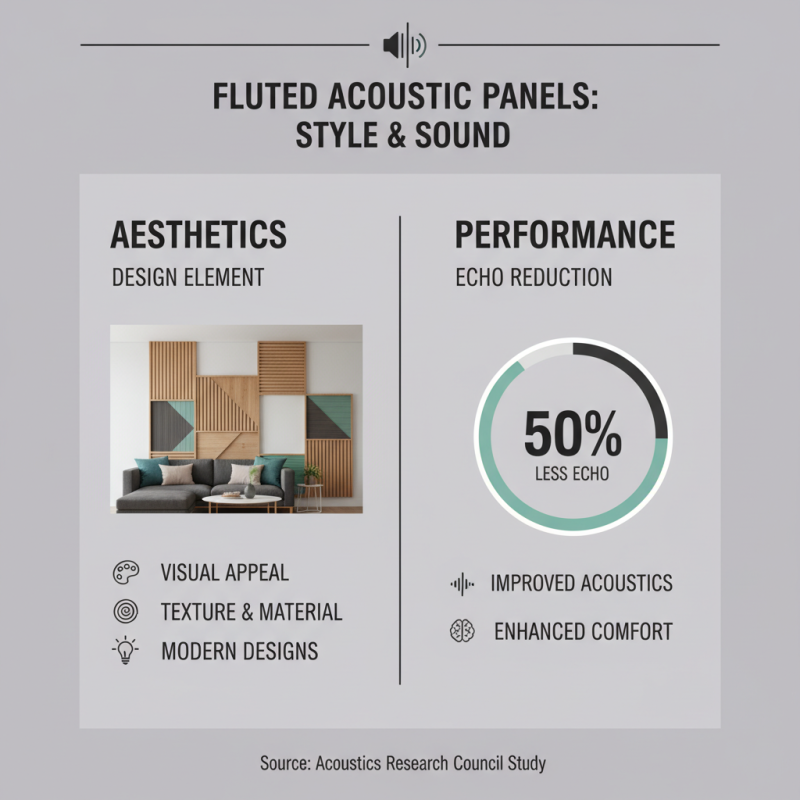
When choosing fluted acoustic panels, aesthetics play a crucial role. These panels aren’t just functional; they are also a design element. According to a study by the Acoustics Research Council, the right acoustic treatment can reduce echo by up to 50%. This means that, besides improving sound quality, they can enhance the visual appeal of your space.
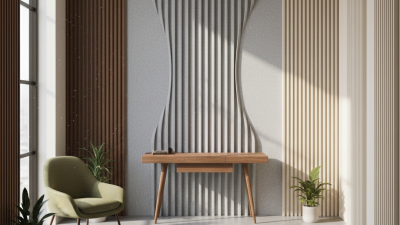
Consider colors and textures that align with your style. Natural wood finishes can provide a warm, inviting feel. Meanwhile, bold colors can energize a room. Fluted patterns are not just about looks; they can diffuse sound waves effectively. A report from the Soundproofing Association indicates that these textures can lead to a 20% increase in sound absorption efficacy compared to flat surfaces.
However, selecting the wrong type of panel can be counterproductive. Some designs might clash with existing decor. It’s important to visualize how the panels will integrate into your space. Overly complex patterns might overwhelm a minimalist setting. Reflecting on the balance between style and function is key to improving both sound quality and the overall atmosphere.