How to Choose the Best Gymnasium Acoustic Panels for Your Space?
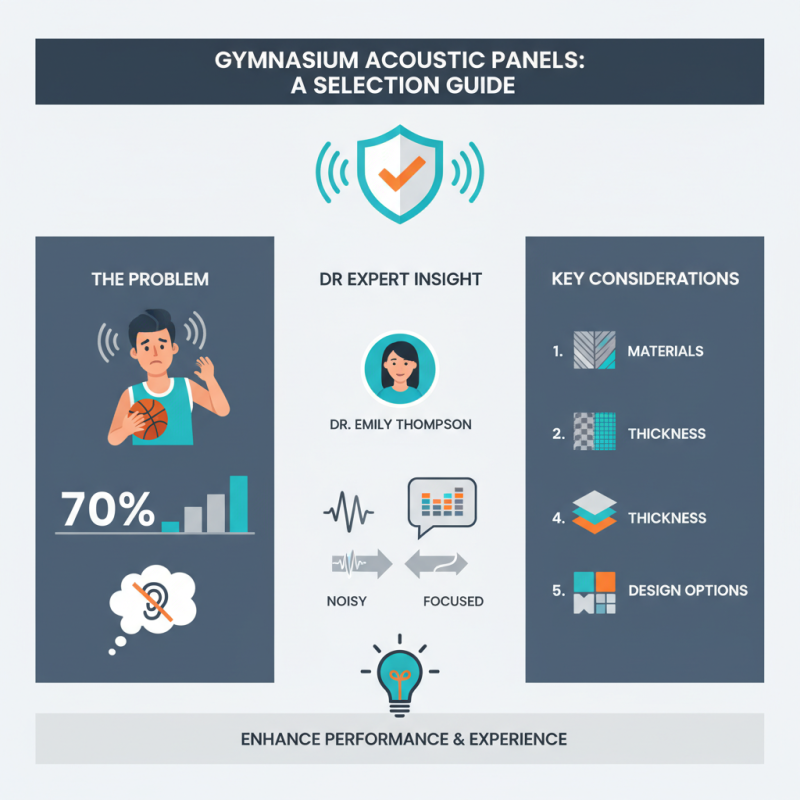
When selecting the best Gymnasium Acoustic Panels for your space, understanding the acoustics is crucial. Poor acoustics can affect performance and engagement levels. According to a report by the Acoustical Society of America, around 70% of gym spaces struggle with sound absorption. This statistic highlights the importance of effective acoustic solutions.
Industry expert Dr. Emily Thompson states, "Choosing the right Gymnasium Acoustic Panels can transform a noisy environment into a space that enhances focus and reduces distractions." This underscores the need for informed choices in panel selection.
Many panels offer aesthetic appeal along with functionality. However, not every product will meet your gym's specific needs. Evaluate materials, thickness, and design options. A well-thought-out approach can lead to significant improvements in sound quality and overall user experience. Don’t underestimate the impact of proper acoustics. A well-informed selection process can yield results that benefit both athletes and spectators alike.
Understanding the Importance of Acoustic Treatment in Gymnasiums
Acoustic treatment in gymnasiums is crucial for enhancing sound quality. Sound reverberation can disrupt communication during training sessions and events. High ceilings and hard surfaces worsen this issue, leading to an unpleasant experience for users. By addressing acoustics, gymnasiums can create a more enjoyable environment that fosters focus and engagement.
When choosing acoustic panels, consider your space’s dimensions. Larger gyms may need thicker panels to absorb more sound. The panel material also matters; foam or fabric-covered options can both be effective. However, understanding their differences is important. Foam panels are lightweight, while fabric options can provide aesthetic appeal. Engaging with professionals can provide insights based on your specific needs.
Not every installation goes perfectly. Some users find that certain panels don’t meet expectations. Experimentation is key. Adjusting panel placement may yield better results. Tracking how sound behaves in your gym can reveal areas that need more treatment. Regular assessments ensure that your acoustic solutions evolve as your space changes.
Types of Acoustic Panels: Materials, Sizes, and Designs for Your Needs
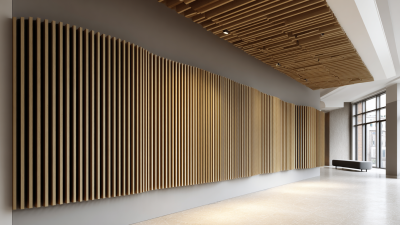
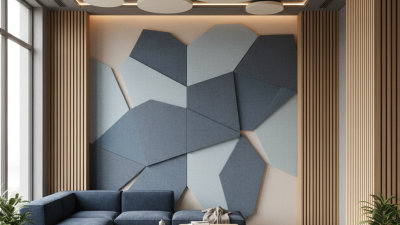
When selecting gymnasium acoustic panels, understanding the materials, sizes, and designs is crucial. Various materials impact sound absorption differently. Foam panels are great for mid-range frequencies. Mineral wool panels excel in wider frequency ranges. Wood and fabric panels can also enhance aesthetics while reducing echo.
Consider the panel size that suits your gym's dimensions. Larger panels cover more surface area, which may be helpful in big spaces. Smaller panels can be used in focused areas, like near sound sources. The placement of these panels significantly impacts their effectiveness. Think about installing them on walls and ceilings for best results.
Tips for optimizing your acoustic environment: Use mixed materials for diverse sound absorption. Regularly check the condition of panels. Damaged panels lose efficiency. Assess the design and color to match your gym's theme. Not every solution works perfectly for every space, so stay flexible and open to adjustments. Find solutions that resonate with your specific needs.
Evaluating Sound Absorption Coefficients and Their Impact on Acoustics
Choosing the right acoustic panels for a gymnasium involves careful consideration of sound absorption coefficients. These coefficients measure how well a material can absorb sound. Higher coefficients indicate better absorption, which is crucial in a busy gym environment. An effective acoustic panel can significantly reduce echoes and background noise.
When evaluating options, consider the material and thickness of the panels. Thicker panels generally provide better sound absorption. However, they may not always fit aesthetically into your space. Color and design also play a role in overall gym appeal. It’s important to find a balance between functionality and visual harmony.
Understanding the specifications may require expertise. It's vital to consult with professionals who specialize in acoustics. They can offer insights tailored to your specific gym layout. Keep in mind that the space's height and volume also impact sound dynamics. A panel that works in one area might not be suitable in another. Proper evaluation ensures the best outcome for your acoustic needs.
Impact of Sound Absorption Coefficients on Gymnasium Acoustics
This chart illustrates the sound absorption coefficients for different types of acoustic panels suitable for gymnasiums. Understanding these values helps in selecting the appropriate panels to enhance the acoustics of your space.
Factors Influencing Installation: Placement, Height, and Coverage Ratio
When selecting gymnasium acoustic panels, installation factors are crucial. Placement is key to sound absorption. Panels should be strategically located to minimize echoes and improve overall sound quality. In fact, the Acoustic Society of America suggests that tailored panel placement can enhance sound absorption by up to 30%. This makes understanding your space’s layout vital.
Height is another critical consideration. Panels should not only cover walls but also reach heights where sound reflects off ceilings. In spaces with high ceilings, placing panels at various heights can yield better results. Reports show that sound-reflective surfaces can increase noise levels by 20% if not addressed.
Coverage ratio further influences acoustic performance. Experts recommend covering 15% to 20% of the surface area in a gymnasium with acoustic panels. Irregular coverage can lead to uneven sound absorption, which can create frustrating acoustical dead zones. Consideration of these factors will ensure a more harmonious environment. Balancing aesthetics with functionality is important, but too much emphasis on design may overlook essential acoustic needs.
How to Choose the Best Gymnasium Acoustic Panels for Your Space?
| Factor |
Description |
Recommended Values |
| Placement |
Positioning panels optimally to control sound reflection and absorption.
|
Wall corners, above seating areas |
| Height |
The vertical position of the panels to maximize their effectiveness.
|
At least 6 feet above the floor |
| Coverage Ratio |
The proportion of surface area covered by acoustic panels in the gym.
|
15-25% of total wall area |
| Material Type |
The kind of materials used in the panels affecting sound absorption characteristics.
|
Fabric-wrapped foam, fiberglass |
| Panel Thickness |
Thickness of the panels, influencing sound absorption frequency range.
|
2-4 inches |
Budget Considerations: Cost-Effective Solutions for Effective Acoustic Control
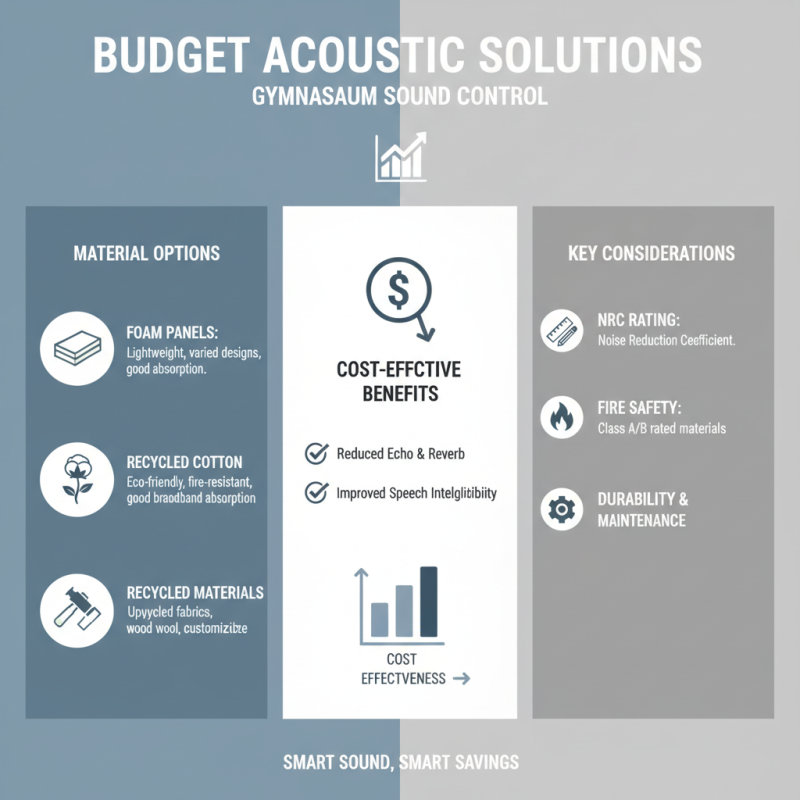
Choosing the right acoustic panels for a gymnasium often hinges on budget considerations. Many assume that effective sound control must come at a high price, but that isn’t necessarily true. There are various budget-friendly materials that can help reduce echo and enhance sound quality without breaking the bank. These options include foam panels, cotton, or even recycled materials. Each option offers different benefits and drawbacks, making it important to research them thoroughly.
When considering cost-effective solutions, focus on installation methods. Some panels are easy to install yourself, saving on professional costs. Others require special installation techniques, which can add to the overall budget. It’s essential to evaluate what you can do and where you may need help. Allocating funds wisely also means knowing which areas of your gymnasium need immediate acoustic improvement versus those that can wait. Taking the time to plan can lead to better long-term results.
Furthermore, paying attention to aesthetic appeal can also affect your budget. Custom colors or designs might add to costs. It's worth reflecting on whether the investment will significantly enhance the atmosphere of your space. Consider experimenting with various options before committing. Balancing cost and quality can unveil solutions that beautifully marry function and aesthetic, all within your budget.