How to Choose the Best Fluted Acoustic Panels for Your Space
When selecting the best fluted acoustic panels for your space, it's essential to consider various factors. Industry expert Sarah Thompkins states, "The right acoustic panels can transform any room." Fluted acoustic panels are not just about aesthetics; they also play a vital role in sound management.
These panels come in various colors, styles, and sizes. The texture of fluted panels can create a unique visual appeal while effectively absorbing sound. However, not all panels are created equal. Many underestimate the importance of material quality and installation techniques. A poorly chosen panel might not deliver the desired acoustic benefit.
While fluted acoustic panels enhance a room, choosing the right ones requires reflection. Consider your space's specific acoustics. Think about your design goals. The right panels should resonate with both sound and style, creating a harmonious environment.
Understanding Fluted Acoustic Panels and Their Benefits
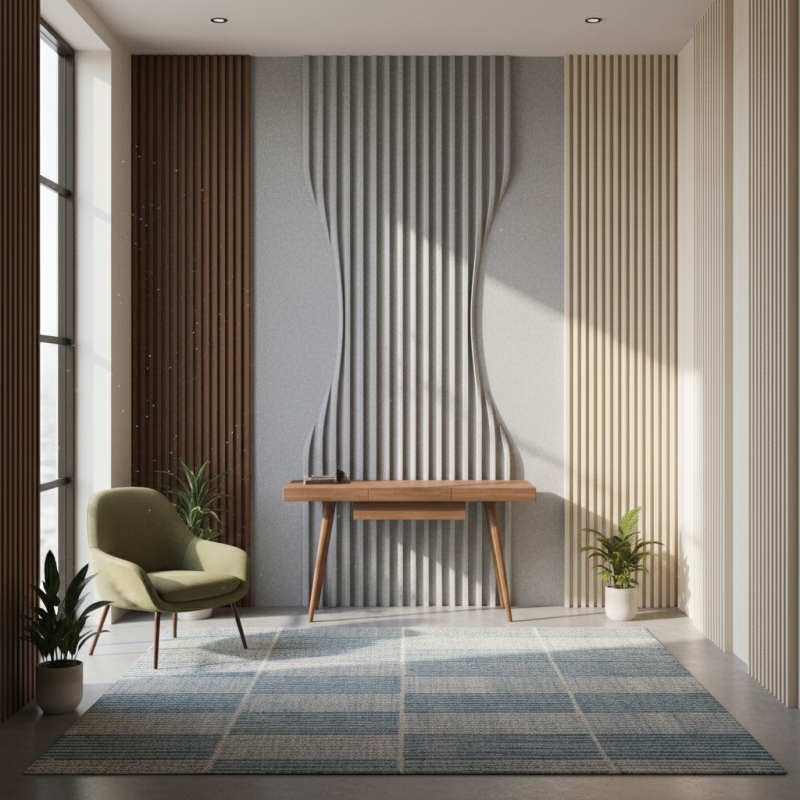
Fluted acoustic panels are designed to enhance sound quality in various spaces. These panels feature grooves that effectively scatter sound waves. This design helps to reduce echoes and improve clarity in a room. Their aesthetic appeal adds a unique visual element to walls. They can complement both modern and traditional interiors, making them versatile.
Installing fluted acoustic panels can significantly improve the acoustics of spaces like studios and offices. Users often report a more comfortable environment after installation. However, the effectiveness can vary based on room design and panel placement. Not every space is the same, and some adjustments might be necessary. Learning about a room's particular acoustic challenges is essential for the best results.
When choosing the right panels, consider the materials and colors. Some options are more absorbent than others. Colors can influence the overall ambiance, which is also important. Experimenting with different combinations might lead to unexpected results. Ultimately, careful thought and reflection on your specific needs lead to success.
Selecting the Right Material for Acoustic Performance
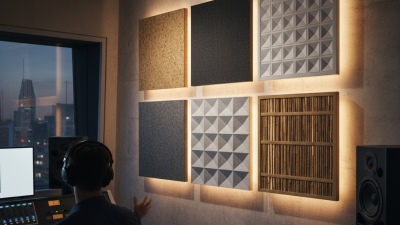
When it comes to selecting acoustic panels, the right material is vital for optimal sound control. Wood, fabric, and foam panels all have unique properties that can greatly influence their performance. Wood panels often add a warm aesthetic while providing decent sound absorption. Fabric panels can absorb specific frequencies better, creating a more balanced sound. Foam panels are lightweight, easy to install, and are effective at dampening high frequencies.
Tips: Consider the room's purpose when choosing your panels. A music studio may benefit from dense foam, while a home theater might require wood to enhance acoustics. Don't underestimate the impact of color and texture; a well-chosen fabric can enhance the decor while performing its role.
Experimentation is key. Test different materials in your space before making a final decision. Listen for clarity or muddiness in the sound. Sometimes, a combination of materials works best. It’s essential to learn from the outcomes. Adjusting the arrangement might yield surprising results. Pay attention to areas where sound feels harsh or flat. Your acoustic journey is part of the process.
How to Choose the Best Fluted Acoustic Panels for Your Space - Selecting the Right Material for Acoustic Performance
| Panel Material |
NRC Rating |
Thickness (inches) |
Color Options |
Application Area |
| Fabric Wrapped Foam |
0.85 |
2 |
Various Colors |
Recording Studios |
| Wood Fiber |
0.75 |
1 |
Natural Wood Finishes |
Office Spaces |
| Polyester |
0.80 |
1.5 |
Multiple Colors |
Home Theaters |
| Mineral Fiber |
0.70 |
2 |
White, Black |
Schools, Hospitals |
| Acoustic Plaster |
0.85 |
0.75 |
Custom Finish |
Performance Venues |
Choosing the Ideal Thickness and Density for Your Needs
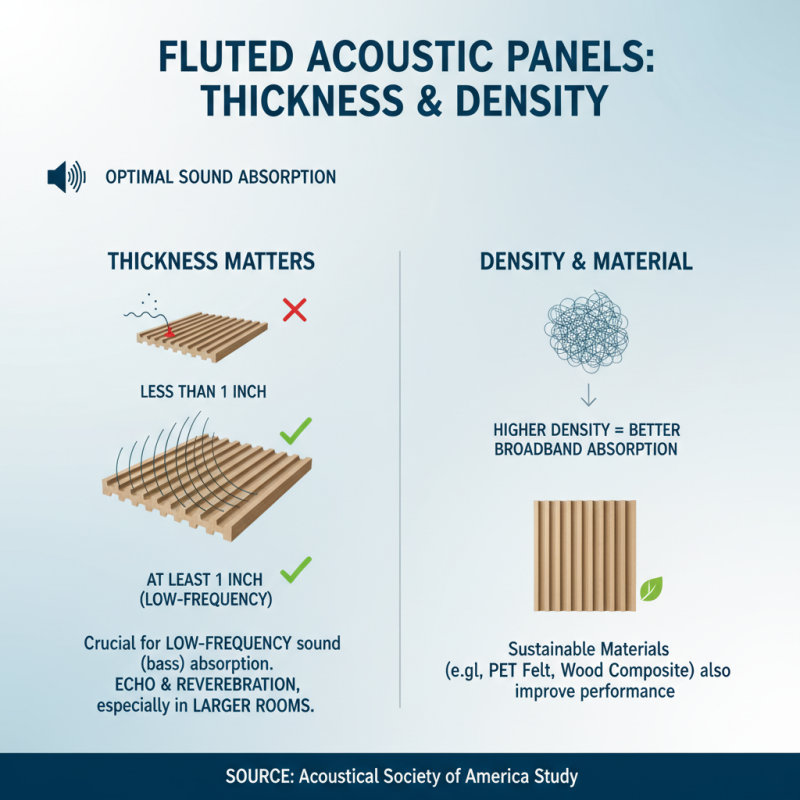
Choosing the right thickness and density of fluted acoustic panels is crucial for achieving the best sound absorption in your space. According to a study by the Acoustical Society of America, panels with a thickness of at least 1 inch are often more effective in low-frequency sound absorption. This can be particularly noticeable in larger rooms, where bass frequencies can resonate and create unwanted echo and reverberation.
Density plays an important role in performance as well. Higher density panels (greater than 6 lbs per cubic foot) tend to absorb sound more efficiently. However, overly dense materials may not provide the desired balance of sound clarity and warmth. Analyzing your specific environment is key; for example, a home theater might benefit from panels that balance density and thickness to optimize both dialogue clarity and music quality.
Simple metrics often overlook the nuanced interactions between panel characteristics and room dimensions. Rooms filled with high ceilings may need thicker panels, while smaller spaces might work with thinner options. Listening tests are invaluable in this process. Test different options before committing. Your final choice should reflect not only data but also personal preference in sound quality.
Installation Tips for Maximizing Acoustic Efficiency
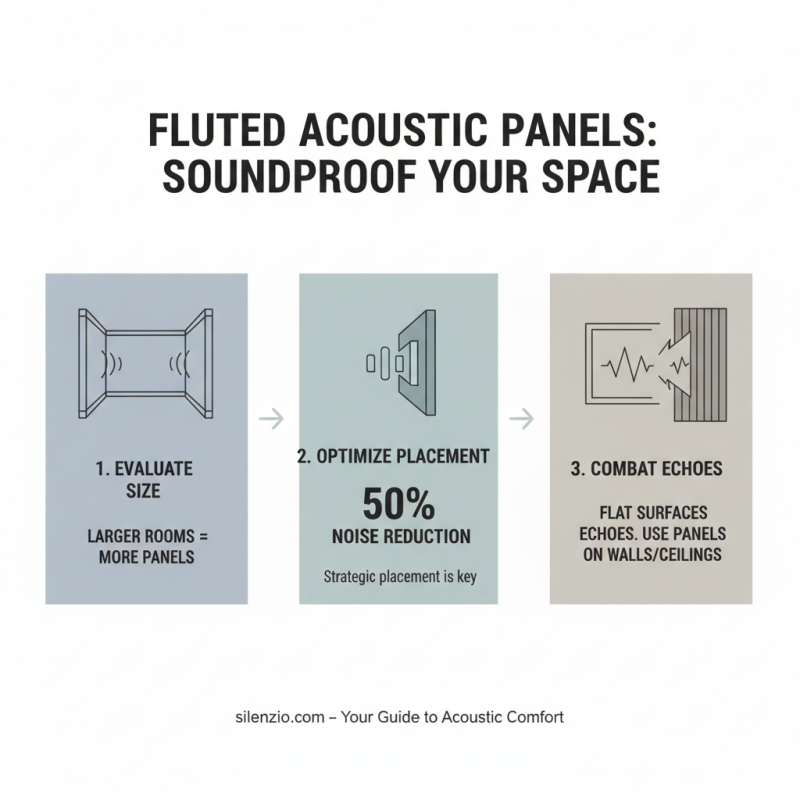
When it comes to acoustic efficiency, the installation of fluted acoustic panels plays a crucial role. Proper placement can enhance sound absorption and reduce unwanted noise reverberation. Studies have shown that strategically installed panels can decrease sound levels by up to 25%. This can transform a space from echo-prone to acoustically balanced with minimal effort.
For the best results, consider these tips. First, analyze your room’s acoustics. Are there specific areas where sound resonates more? Place your fluted panels in these hotspots. Also, avoid putting panels too close to each other. Ideally, leave a gap of at least one foot between panels to allow sound waves to disperse effectively. Lastly, don’t overlook the height at which you install them. Panels placed between eight and sixteen feet high are most effective for absorbing sound.
Reflect on your choices. Have you considered both aesthetics and function? Sometimes, a visually appealing arrangement may compromise performance. So, balance is essential. Ensure that your design complements the acoustics you are aiming to achieve. A thoughtful approach can lead to both an appealing and sound-efficient environment.