How to Choose the Best Commercial Acoustic Panels for Your Space?
Choosing the right Commercial Acoustic Panels for your space requires careful consideration. Acoustic treatment is essential for enhancing sound quality in any environment, from offices to recording studios. According to a report by the Acoustical Society of America, effective sound absorption can reduce noise levels by up to 30%. This improvement contributes to better productivity and comfort.
Expert John Smith, an industry leader, states, “The efficiency of Commercial Acoustic Panels largely depends on their material and placement.” This insight underscores the importance of selecting panels that suit your specific needs. Factors such as panel thickness, density, and surface texture play crucial roles in performance. Many overlook these details, leading to suboptimal sound control.
It's vital to gather information and seek professional guidance when choosing panels. Even minor mistakes, like improper installation, can result in disappointing outcomes. Prioritizing quality over cost is often a necessary reflection. In a world where sound matters more than ever, investing in the right Commercial Acoustic Panels can significantly transform your space.

Choosing the Right Material for Your Commercial Acoustic Panels
Choosing the right material for commercial acoustic panels is crucial for creating an effective sound environment. Acoustic panels come in various materials such as foam, fabric, and mineral wool. Each has its unique properties and applications. Foam panels are lightweight and great for reducing mid to high frequencies. Fabric-covered panels offer aesthetic value along with sound absorption. Mineral wool panels excel in both sound absorption and fire resistance, making them ideal for commercial spaces.
When selecting materials, consider your space's size and purpose. Larger rooms may require denser materials to control sound effectively. Panels that are too thin might not absorb lower frequencies well, leading to echo. Think about the aesthetics too. The finish of the panels can significantly impact the overall look of your space.
Tips: Always request samples before making a final decision. Testing different materials in your space can reveal their effectiveness. Seek advice from an acoustic consultant. They can provide insights on the best options tailored to your specific needs. Each project is unique, and what works in one space may not work in another. Keep exploring until you find the perfect fit.
Understanding Acoustic Performance Ratings: NRC and STC Explained
Acoustic performance ratings are crucial when selecting commercial acoustic panels. Two key metrics to consider are Noise Reduction Coefficient (NRC) and Sound Transmission Class (STC). NRC measures how much sound is absorbed by a material, which is vital for controlling echo and reducing noise levels in a space. A higher NRC value indicates better sound absorption. STC, on the other hand, quantifies how well a barrier blocks sound from one room to another. This rating is essential for maintaining privacy in office environments.
Effective acoustic design requires careful selection of panels. Here are some tips:
Look for panels with an NRC rating of 0.7 or higher for spaces like conference rooms. This level effectively reduces reverberation. For spaces needing sound separation, consider products with high STC ratings of 50 and above.
Remember that not all panels fit every environment. Reflections and soundwaves behave differently depending on various factors like room shape and furniture placement. Take the time to test the panels in your space. Adjust and rearrange to find the best sound configuration. Your choices shouldn’t just rely on ratings; real-world performance is crucial.
How to Choose the Best Commercial Acoustic Panels for Your Space?
| Panel Type |
NRC Rating |
STC Rating |
Material |
Thickness |
| Fabric Wrapped Panel |
0.85 |
36 |
Fiberglass |
2 inches |
| Foam Panel |
0.75 |
30 |
Polyurethane |
1 inch |
| Wooden Panel |
0.80 |
32 |
Wood Fiber |
2 inches |
| Mineral Fiber Panel |
0.90 |
34 |
Mineral Wool |
1 inch |
Evaluating Panel Thickness and Density for Optimal Sound Absorption
When selecting commercial acoustic panels, thickness and density play critical roles. These factors directly influence a panel’s sound absorption capabilities. Research indicates that panels with thickness ranging from two to six inches offer improved performance. A study by the National Institute of Standards and Technology found that materials with higher density absorb sound better. They provide an effective barrier against noise, making them ideal for offices or studios.
Density is not just a number; it determines how well the panel can reduce echo and reverberation. Panels with a density of 6-9 pounds per cubic foot outperform lighter alternatives in sound absorption. This means the right choice can significantly enhance clarity in sound-critical environments. However, heavier panels may not always be practical for every space. Weight can limit installation options, restricting design flexibility.
Thickness also affects aesthetics and practicality. Thicker panels can create a bulkier look, which might not suit all interiors. Moreover, their positioning is crucial for maximum effectiveness. Irregular shapes can complicate installations. Balancing sound absorption with design elements frequently requires careful planning. It's essential to weigh your needs against potential limitations to achieve the desired results.
How to Choose the Best Commercial Acoustic Panels for Your Space?
This chart illustrates the relationship between panel thickness and density, showcasing the optimal sound absorption levels for different types of commercial acoustic panels.
Selecting Panel Aesthetics: Colors, Fabrics, and Custom Designs
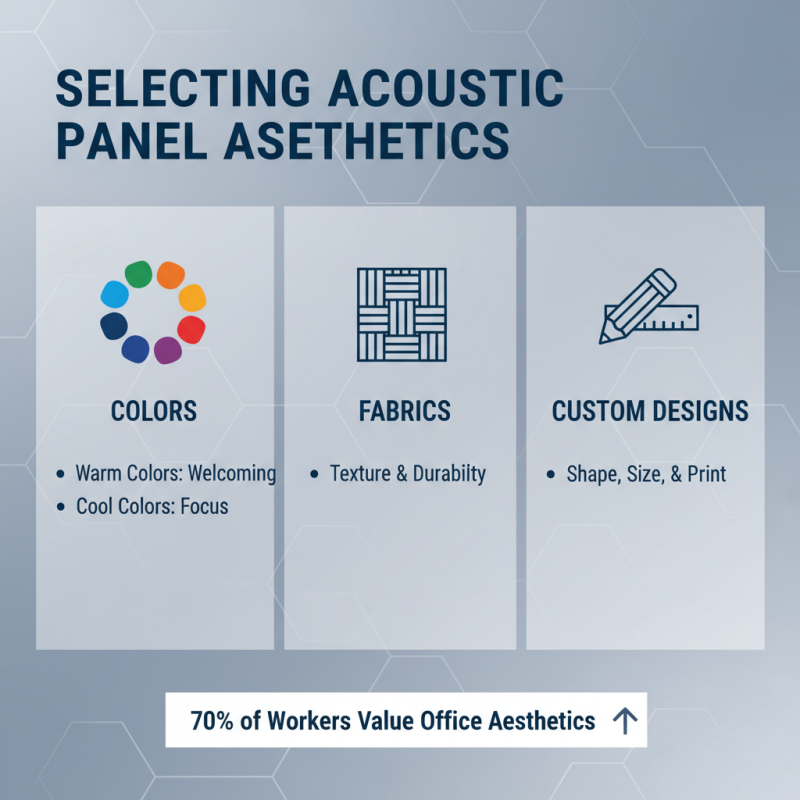
Choosing the right aesthetics for commercial acoustic panels goes beyond mere function. It’s a fusion of design and performance. A recent study indicates that 70% of workers value their office environment's aesthetics. When selecting colors, consider the psychology behind them. Warm colors can create a welcoming feel, while cool colors promote focus.
Fabric choices also play a critical role. Textiles like polyester offer sound absorption while providing a variety of textures. According to industry reports, panels made from high-quality fabrics can enhance acoustical efficiency by 30%. This not only reduces noise but also elevates the overall look of the space. Custom designs can reflect your brand’s identity and foster creativity in the environment.
However, achieving the perfect balance can be challenging. It’s easy to overthink vibrancy and feel overwhelmed by options. Take time to match patterns and colors carefully. Consider how elements interact with natural light and space layout. Reflecting on these details helps ensure that aesthetics and functionality work in harmony, creating a visually appealing and acoustically sound environment.
Assessing Budget Considerations: Cost vs. Quality in Acoustic Solutions
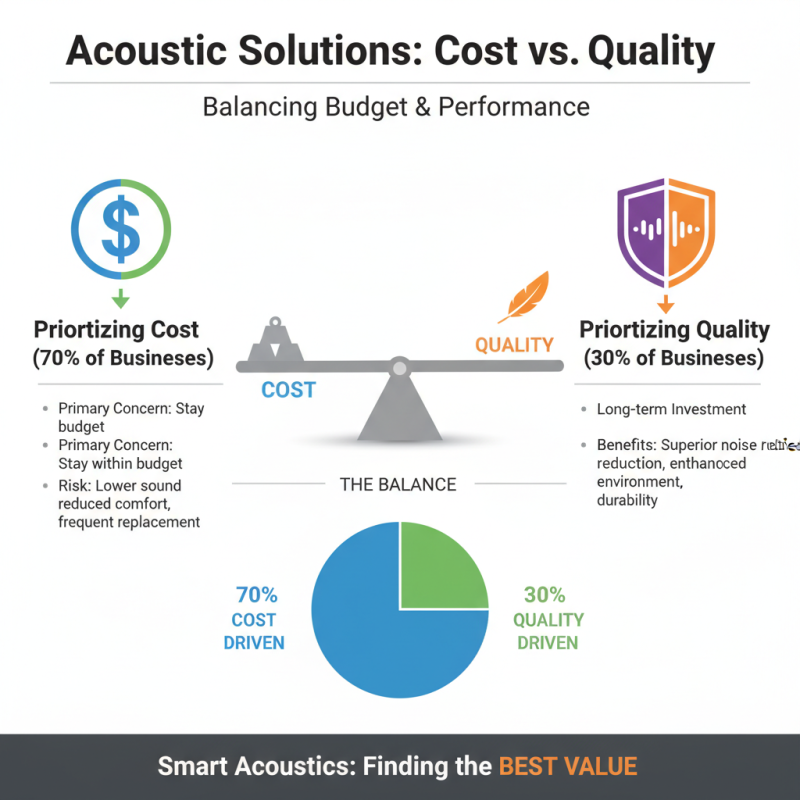
Selecting commercial acoustic panels involves balancing cost and quality. Many organizations struggle to find the best solution within their budget. A recent industry report indicates that a significant number of businesses often prioritize cost over quality when investing in acoustics. In fact, around 70% of companies claim their primary concern is staying within budget.
However, focusing solely on upfront costs can lead to long-term issues. Lower-quality panels may provide a temporary solution but can deteriorate quickly. Research shows that investing in high-quality acoustic solutions can enhance sound absorption effectiveness by up to 80%. While high-end panels may seem expensive, they often offer better durability and performance, ultimately saving money on replacements.
Acoustic solutions should be viewed as an investment. High-quality options, although initially pricier, yield superior results. The right panels improve not just sound quality but also employee productivity and satisfaction. Weighing cost against potential benefits can guide businesses toward more informed decisions. Ultimately, the right approach fosters a better auditory environment while ensuring financial prudence.