How to Choose the Best Acoustic Partition Panel for Your Space in 2025
In recent years, the demand for effective sound management solutions in various environments has surged, highlighting the significance of Acoustic Partition Panels. Recent industry reports indicate that the market for acoustic solutions is projected to grow by over 7% annually, driven by an increasing awareness of the impacts of noise pollution on productivity and well-being. Acoustic Partition Panels serve as a vital tool in enhancing acoustic comfort across diverse spaces, from open offices to educational institutions, by providing tailored sound insulation and absorption.
As workplaces and public areas evolve to meet the needs of modern users, the selection of appropriate acoustic solutions becomes paramount. Factors such as material composition, panel thickness, and design aesthetics play crucial roles in achieving optimal sound control. Furthermore, according to a study published by the National Institute of Standards and Technology, effective acoustic treatments can improve focus and decrease stress levels, underscoring the necessity for careful consideration during the selection process.
Navigating the myriad of options available can be daunting. Thus, understanding how to choose the best Acoustic Partition Panel for your space in 2025 is essential for creating environments that foster productivity, creativity, and comfort, ensuring that you are equipped to make informed decisions about the acoustic landscape of your environment.

Factors to Consider When Selecting Acoustic Partition Panels in 2025
When selecting acoustic partition panels for your space in 2025, there are several critical factors to consider. The effectiveness of sound absorption is paramount; look for panels that have a Noise Reduction Coefficient (NRC) rating of at least 0.70 to ensure a significant reduction in sound transmission. According to industry reports, spaces designed with high NRC-rated panels can reduce noise levels by up to 10 decibels, improving both privacy and concentration in workplaces and educational environments.
Another important factor is the material composition of the panels. Opt for panels made from sustainable and non-toxic materials, as this not only contributes to indoor air quality but also aligns with growing environmental standards. Research indicates that eco-friendly acoustic solutions are becoming increasingly popular, making up nearly 35% of the market share in 2023, a trend that is projected to grow into 2025.
Tips for Selecting Acoustic Panels:
- Consider the installation flexibility of the panels; options that allow for easy arrangement can better adapt to changing spaces.
- Aesthetic appeal is also crucial—choose colors and textures that harmonize with your interior design while serving their functional purpose.
By focusing on these elements, you can create an effective and visually appealing acoustic environment that meets your needs for
2025.
Understanding Different Types of Acoustic Materials and Their Performance
When selecting the best acoustic partition panel for your space, understanding the different types of acoustic materials available is crucial. Acoustic panels are commonly made from foam, fiberglass, fabric-wrapped fiberglass, and mineral wool. Each material offers unique benefits and performance characteristics. For example, foam panels are lightweight and effective for absorbing high-frequency sounds, making them ideal for music studios or home theaters. On the other hand, fiberglass panels provide a broader range of sound absorption, efficiently tackling both mid and low frequencies, which is beneficial in open office environments where noise reduction is necessary.
Additionally, fabric-wrapped fiberglass panels offer both aesthetic appeal and high performance, allowing for customization in design without sacrificing acoustic efficiency. Mineral wool is another excellent option, known for its soundproofing qualities and thermal insulation properties, which can be particularly advantageous in commercial spaces requiring both sound and temperature control. By evaluating the specific performance of these materials, you can choose an acoustic partition panel that aligns with your needs, ultimately enhancing the acoustic comfort and functionality of your environment.
Evaluating Acoustic Panel Ratings: NRC and STC Explained
When selecting the best acoustic partition panel for your space, understanding the key acoustic ratings—Noise Reduction Coefficient (NRC) and Sound Transmission Class (STC)—is essential. NRC measures how much sound a material can absorb, with ratings ranging from 0 to 1. A higher NRC indicates that the panel is more effective at capturing sound waves, making it ideal for environments where noise reduction is crucial, such as recording studios or offices with open layouts. Evaluating the NRC helps ensure that the chosen panel will minimize the echo and reverberation within a room, contributing to a more peaceful atmosphere.
In contrast, STC focuses on how well a material prevents sound from traveling through it. STC ratings also vary, with a higher score indicating better sound insulation. This is particularly important when considering partitions between rooms where privacy and sound isolation are needed—such as between conference rooms or between living spaces in multi-family dwellings. When evaluating potential acoustic panels, it’s vital to look at both NRC and STC ratings to ensure that they meet both absorption and soundproofing needs, allowing for a more harmonious and functional space tailored to your specific requirements.
Sizing Your Acoustic Partition: How to Measure and Plan Effectively
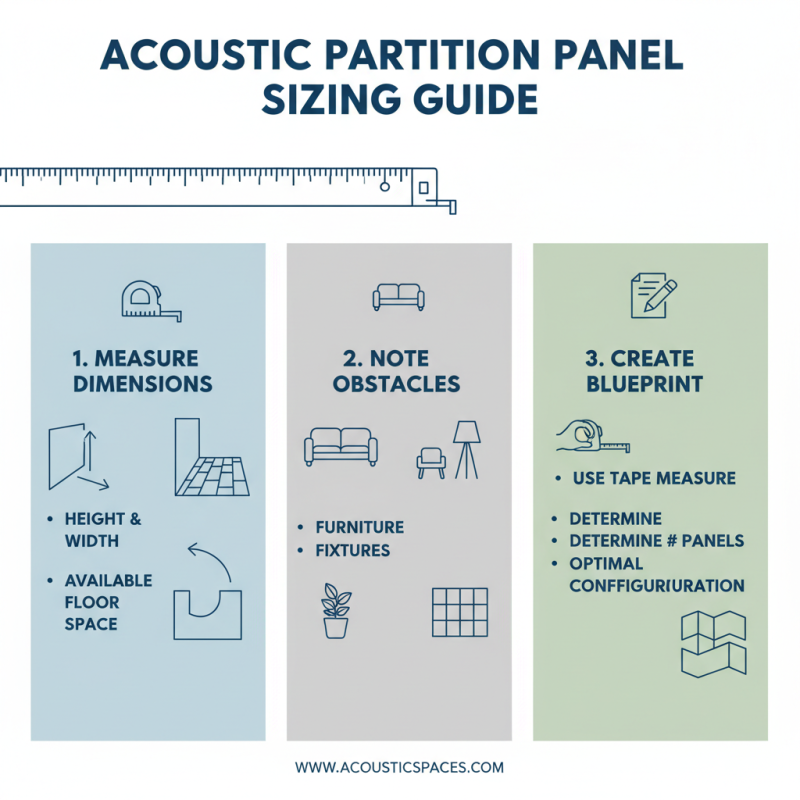
When selecting the best acoustic partition panel for your space, proper sizing is crucial. To begin, measure the dimensions of the area you wish to partition. This includes not only the height and width of the space but also the available floor space. Consider any existing furniture or fixtures that may affect the placement of the panels. Using a tape measure, note down these measurements to create a clear blueprint of the area. This will aid in determining the number of panels required and their optimal configuration.
Next, think about the functionality of the space. Different acoustic panels have varying sound absorption capabilities and aesthetic designs, which may influence how you wish to arrange them. If you are looking to create a quiet workspace, focus on panels that offer higher soundproofing qualities. Additionally, consider how the panels will interact with the overall design of the room. Sketching a few layout options can help visualize how different sizes and configurations will affect the acoustics and aesthetics simultaneously. By thoroughly measuring and planning, you can choose acoustic partition panels that not only fit your space perfectly but also enhance its functionality.
Cost-Effectiveness of Acoustic Solutions: Budgeting for Your Space in 2025
When budgeting for acoustic solutions in 2025, it’s essential to evaluate the cost-effectiveness of various acoustic partition panels. According to a report from the Acoustical Society of America, the global market for acoustic treatment products – including partition panels – is projected to reach $1.4 billion by 2025, with an annual growth rate of 8.5%. This growth reflects a rising awareness among businesses of the importance of sound management in enhancing workplace productivity and comfort.
Investing in high-quality acoustic panels can be more economical in the long run, despite higher upfront costs. Studies from the Journal of Environmental Psychology indicate that effective acoustic improvement can lead to a 15% increase in employee productivity and satisfaction. When creating a budget, consider the potential return on investment (ROI) stemming from reduced noise levels, which can also result in lower employee turnover and absenteeism. By prioritizing cost-effective acoustic solutions, organizations can create better work environments that foster focus and creativity without compromising financial stability.
How to Choose the Best Acoustic Partition Panel for Your Space in 2025
| Panel Type |
Material |
Sound Reduction (STC) |
Cost per Panel |
Recommended Use |
| Fabric Panel |
Polyester |
30 |
$150 |
Offices, Studios |
| Foam Panel |
Polyurethane |
24 |
$90 |
Home Theaters, Music Rooms |
| Wooden Panel |
MDF |
35 |
$200 |
Conference Rooms, Restaurants |
| Glass Panel |
Laminated Glass |
40 |
$350 |
Modern Offices, Showrooms |
| Hybrid Panel |
Mineral Wool + Fabric |
38 |
$250 |
Theaters, Recording Studios |