How to Choose Acoustic Partition Panels for Your Space?
Choosing the right Acoustic Partition Panel can significantly impact the ambiance of your space. These panels provide essential sound control, enhancing privacy and comfort. However, the variety in materials, designs, and functions can make the selection process overwhelming.
When evaluating Acoustic Partition Panels, consider the intended use of your space. Will it be a busy office or a tranquil studio? Each requirement demands a different type of panel. Look for options that not only reduce noise but also add to the visual appeal. Some panels offer vibrant colors and textures, making them both functional and aesthetic.
Pay attention to the installation process and maintenance. Some panels require professional installation, while others can be easily mounted by anyone. Additionally, quality matters. A low-cost panel might seem attractive, but sacrificing soundproofing efficiency is not wise. Ensure the brands you consider have credible reviews and demonstrate proven results in sound absorption.
Understanding Acoustic Partition Panels: Key Features and Benefits
Acoustic partition panels play a crucial role in enhancing sound quality and privacy in various environments, such as offices, schools, and studios. These panels are designed to absorb sound, thereby reducing noise levels. Research by the Acoustical Society of America indicates that improper acoustics can lead to decreased productivity and increased stress. Therefore, understanding the key features of acoustic panels is vital.
When selecting acoustic partition panels, consider sound absorption coefficients. Panels with higher coefficients are more effective in controlling reverberation. Most panels range from 0.5 to 1.0; the closer to 1.0, the more significant the sound reduction. Furthermore, aesthetics matter. Panels come in various colors and designs, allowing you to match them with your space’s decor.
Tips: Measure your space before purchasing. Think about where noise control is needed most. It's essential to evaluate your actual needs versus aesthetic preferences. Remember, a good panel will help, but it might not resolve all noise issues. In some cases, additional elements like carpets or furniture may also contribute to better sound management.
Assessing Space Requirements: Measuring Sound Levels and Acoustics
When assessing space requirements for acoustic partition panels, measuring sound levels is crucial. According to a study by the Acoustical Society of America, environments with high noise levels can lead to reduced productivity and increased stress among occupants. For effective sound management, start by using a sound level meter to determine baseline noise levels in your space. Understanding the decibel levels can help guide your choices in soundproofing.
Tips: Keep in mind that different materials react uniquely to sound waves. Some may absorb sound better, while others reflect it. Research shows that the ideal absorption coefficients should exceed 0.5 for optimal noise reduction in busy environments. Consider testing various materials in small areas before making a final decision. Creating a quieter space may involve trial and error.
Another key aspect is evaluating the acoustics of your space. Features like ceiling height, wall materials, and floor coverings influence sound behavior. A recent report highlighted that porous materials can absorb more sound, while hard surfaces may exacerbate echo. It’s essential to analyze how these variables interact with your panels. Understanding your unique environment helps in selecting the proper acoustic solution.
Sound Levels in Different Environments
This chart illustrates the average sound levels measured in various environments. Understanding these levels can aid in selecting appropriate acoustic partition panels to enhance sound absorption and overall acoustics in your space.
Materials and Design: Choosing the Right Fabric and Core for Panels
Choosing the right materials for acoustic partition panels is crucial for effective sound management. The core of the panel significantly impacts its acoustic performance. Generally, denser cores provide better sound absorption. Fiberglass and mineral wool are popular choices due to their excellent soundproofing characteristics. They are lightweight yet effective.
The fabric covering the panels also plays a vital role. It should not only complement your space’s aesthetic but also facilitate sound absorption. Natural fibers like wool or cotton can enhance acoustics while maintaining a warm look. Synthetic fabrics may offer durability and ease of cleaning.
Color and texture matter, too. A well-chosen fabric can elevate the design of your space. Consider how light interacts with the materials. Some fabrics may reflect sound, while others absorb it. Experimenting with different combinations could lead to surprising results. Remember, there’s no one-size-fits-all solution. You might find a specific texture underwhelming or a color choice overwhelming. Reflecting on these aspects can lead to an outcome that truly suits your environment.
How to Choose Acoustic Partition Panels for Your Space?
| Dimension |
Description |
Material Type |
Core Type |
Acoustic Performance (NRC) |
| Small Panel |
Ideal for small offices and cubicles |
Fabric |
Foam |
0.85 |
| Medium Panel |
Suitable for conference rooms |
Vinyl |
Mineral Fiber |
0.95 |
| Large Panel |
Best for open office layouts |
Wood Veneer |
Honeycomb |
1.00 |
| Custom Panel |
Tailored to specific needs |
Various |
Varied |
To be determined |
Installation Considerations: Professional vs. DIY Approaches
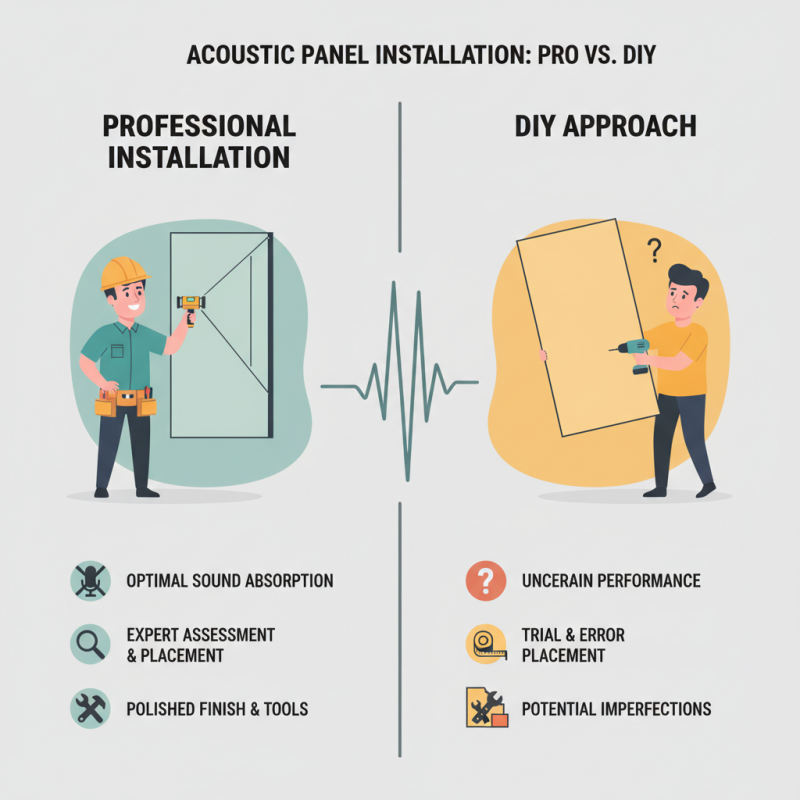
When deciding between professional installation or a DIY approach for acoustic partition panels, consider your space and skill level. Professional installation ensures the panels are mounted correctly, optimizing their sound-absorbing qualities. Experts can assess your specific needs and recommend the best placement to reduce noise effectively. They may also have access to better tools and techniques that can lead to a more polished finish.
On the other hand, DIY installations can be rewarding but require careful planning. You’ll want to gather all necessary materials before starting. Improper installation could lead to inadequate soundproofing and wasted resources. Watching online tutorials may help, but they often lack the nuance needed for complex spaces. Additionally, mistakes can be costly. Not every home setup is straightforward, and you might need to adapt as challenges arise. Ultimately, weigh your comfort level and the potential impact on your environment.
Maintaining Acoustic Efficacy: Cleaning and Replacing Panels Efficiently
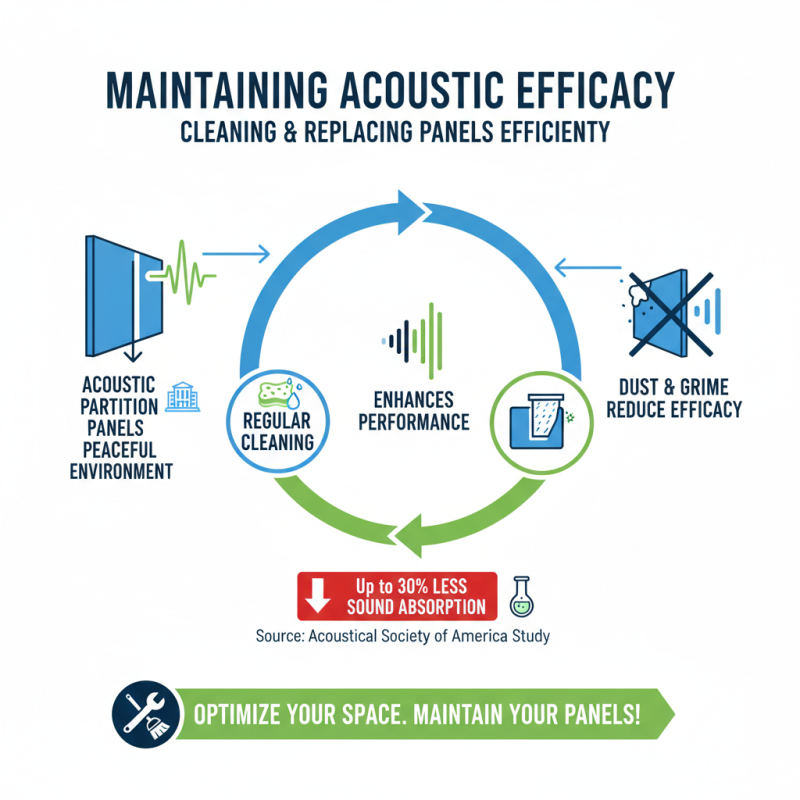
Acoustic partition panels play a pivotal role in creating a peaceful environment. However, their effectiveness diminishes without proper maintenance. Cleaning these panels regularly enhances their acoustic performance. Dust and grime can absorb sound waves, leading to reduced efficacy. A study from the Acoustical Society of America emphasizes that even minor dirt buildup can decrease sound absorption by up to 30%.
Replacing panels is another crucial aspect. Over time, wear and tear can impair their acoustic properties. The National Institute of Standards and Technology suggests monitoring panels every two years. If they show visible wear or damage, consider replacement. Not only does this maintain acoustic quality, but it also improves aesthetics. This can lead to better overall satisfaction in communal spaces.
Reflecting on maintenance habits can highlight areas of improvement. For instance, a facility manager may overlook regular inspections. Setting a schedule could help in identifying when cleaning or replacements are needed. These small steps would ensure panels continue to perform effectively, safeguarding comfort and productivity in any setting.